


Troubleshooting Common Issues with Car AC Compressor Control Valves

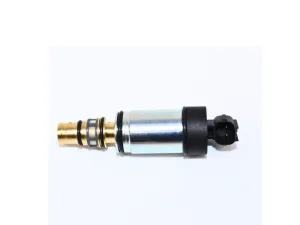
Car air conditioning systems are essential for a comfortable driving experience, especially during hot weather. However, like any other mechanical component, they can experience issues over time. One of the most critical components of a car’s AC system is the compressor control valve. When this part malfunctions, it can lead to a myriad of problems that affect the overall performance of the air conditioning system. This article delves into common issues associated with car AC compressor control valves and offers expert advice on how to troubleshoot them.
Understanding Compressor Control Valves
The compressor control valve is integral in regulating the refrigerant flow within the AC system. When functioning correctly, it ensures optimal cooling by adjusting the compressor’s displacement. However, when it fails, it can cause issues like insufficient cooling or complete AC failure. For more detailed insights about AC control valves, find out more about this approach.
Common Issues with Compressor Control Valves
1. Inconsistent Cooling Performance
Variations in cooling performance can often be attributed to a faulty control valve. Symptoms include:
- AC blowing warm air intermittently.
- Increased time to achieve desired cooling.
- Unusual noises coming from the compressor.
These issues may stem from a stuck valve or electrical faults within the system. Discover expert strategies here to address these problems effectively.
2. Complete Loss of Cooling
Another common issue is the total loss of cooling, which can be caused by:
- A completely stuck valve leading to no refrigerant flow.
- Electrical malfunctions affecting valve operation.
- Refrigerant leaks that reduce pressure and impede performance.
For an in-depth understanding and solutions, explore advanced guides and tips.
Troubleshooting Tips
Check for Electrical Issues
Electrical problems can often mimic valve issues. Ensure all wiring and connections to the compressor and valve are intact and free from corrosion. A multimeter can be used to check for continuity and proper voltage levels.
Inspect the Valve for Physical Damage
Sometimes, the valve itself may be damaged or clogged with debris. This situation requires a visual inspection to check for any physical obstructions or damage. Cleaning or replacing the valve might be necessary if such issues are discovered.
Verify Refrigerant Levels
Low refrigerant levels can cause similar symptoms to a faulty control valve. Ensure the system is properly charged with the correct amount of refrigerant as specified by the vehicle manufacturer. Additionally, check for leaks in the system.
For more tailored solutions, learn about our tailored solutions that could help in effectively managing these issues.
When to Consult a Professional
While some troubleshooting can be done independently, certain situations may require the expertise of a professional technician, such as:
- Persistent issues despite basic troubleshooting.
- Lack of proper tools for valve inspection or replacement.
- Complex electrical faults requiring advanced diagnostics.
Professionals have the necessary equipment and expertise to accurately diagnose and resolve such issues. For more information on professional services, explore advanced guides and tips.
Conclusion
Car AC compressor control valves play a crucial role in ensuring the effective operation of the air conditioning system. Understanding the common issues associated with these valves and knowing how to troubleshoot them can save time and prevent further damage to the AC system. For additional resources and expert advice, find out more about this approach to maintaining optimal AC performance.