


Understanding PCOS: How to Find the Right Specialist

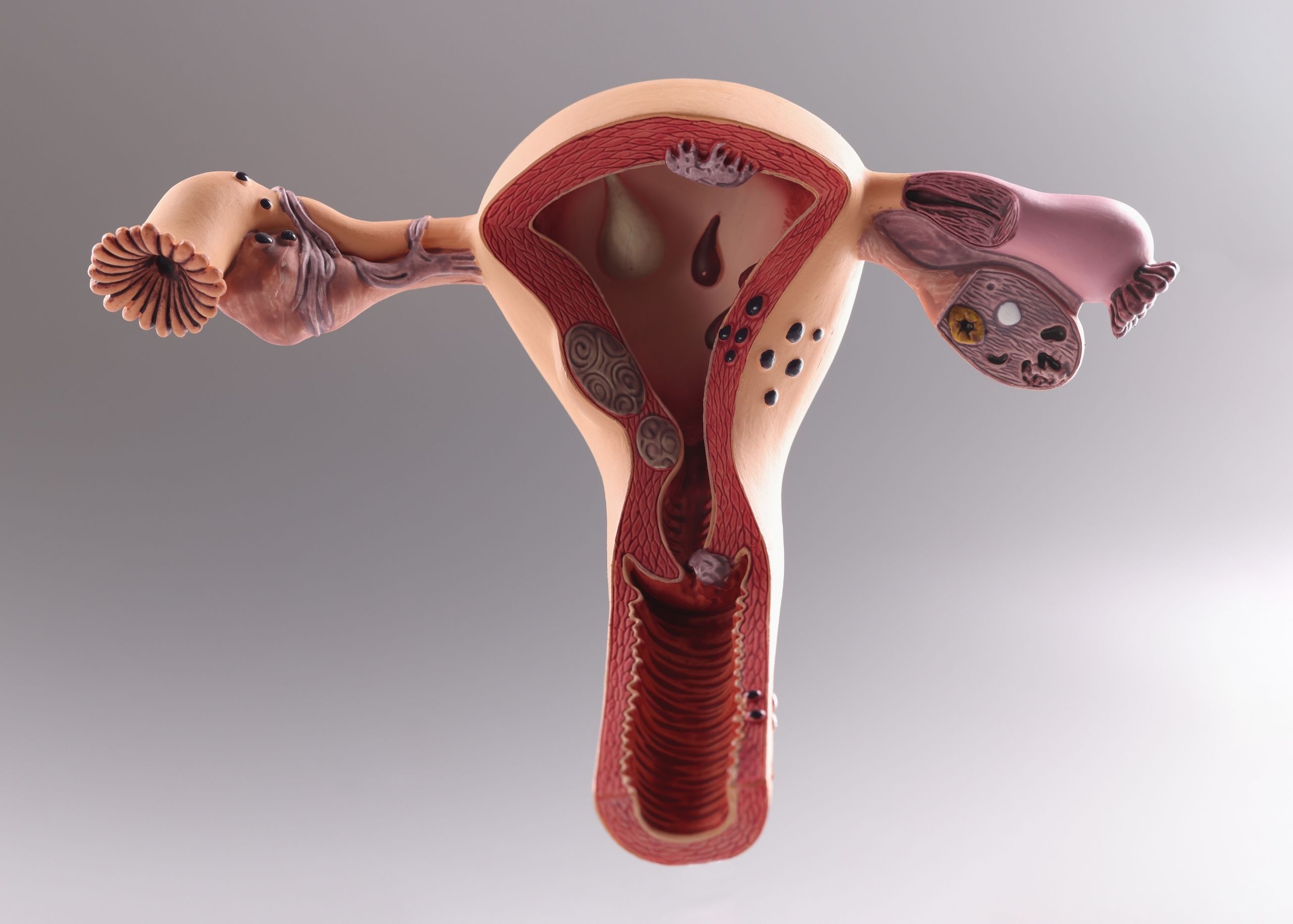
Polycystic Ovary Syndrome (PCOS) is a prevalent endocrine disorder affecting millions of women worldwide. Despite its commonality, the journey of managing PCOS can be challenging and often requires specialized care. Finding the right specialist is crucial for effective management and treatment of this condition. The following guide provides insights into understanding PCOS and how to identify the healthcare professional best suited to help navigate this complex condition.
What is PCOS?
PCOS is a hormonal disorder characterized by irregular menstrual cycles, excessive androgen levels, and polycystic ovaries. Women with PCOS may experience a range of symptoms, including:
- Irregular or prolonged menstrual periods
- Excess hair growth (hirsutism)
- Acne or oily skin
- Weight gain or difficulty losing weight
- Thinning hair or hair loss
Understanding these symptoms is the first step to seeking appropriate medical guidance. For comprehensive insights, explore advanced guides and tips on PCOS management.
Finding the Right Specialist
Why Specialist Care is Important
Due to the complex nature of PCOS, specialized care is often required to address the multifaceted aspects of the condition. A specialist can provide:
- Accurate diagnosis and understanding of the condition
- Individualized treatment plans
- Support in managing long-term health risks such as diabetes and cardiovascular disease
If you’re looking to understand more about tailored solutions for PCOS, learn about our tailored solutions.
Qualities to Look for in a Specialist
When searching for a PCOS specialist, consider the following:
- Experience and expertise in managing PCOS
- A patient-centered approach to care
- Availability of a multidisciplinary team
- Comfortable patient communication and consultation style
For further guidance on selecting a specialist, discover expert strategies here.
Approaches to PCOS Management
Successful management of PCOS often involves a combination of lifestyle modifications and medical interventions. Here are some common approaches:
- Diet and Exercise: A balanced diet and regular physical activity can help manage symptoms and improve overall health.
- Medications: Hormonal treatments and insulin-sensitizing drugs are often prescribed to manage symptoms and underlying issues.
- Regular Monitoring: Continuous monitoring helps in early detection and management of potential complications.
To find out more about this approach, find out more about this approach.
Conclusion
Navigating PCOS can be daunting, but with the right specialist, the journey becomes more manageable. Understanding PCOS and seeking specialized care tailored to individual needs can lead to better health outcomes and improved quality of life. For those seeking a deeper dive into PCOS management, explore advanced guides and tips to enhance your understanding and management of this condition.