


Driving Operational Efficiency in Healthcare

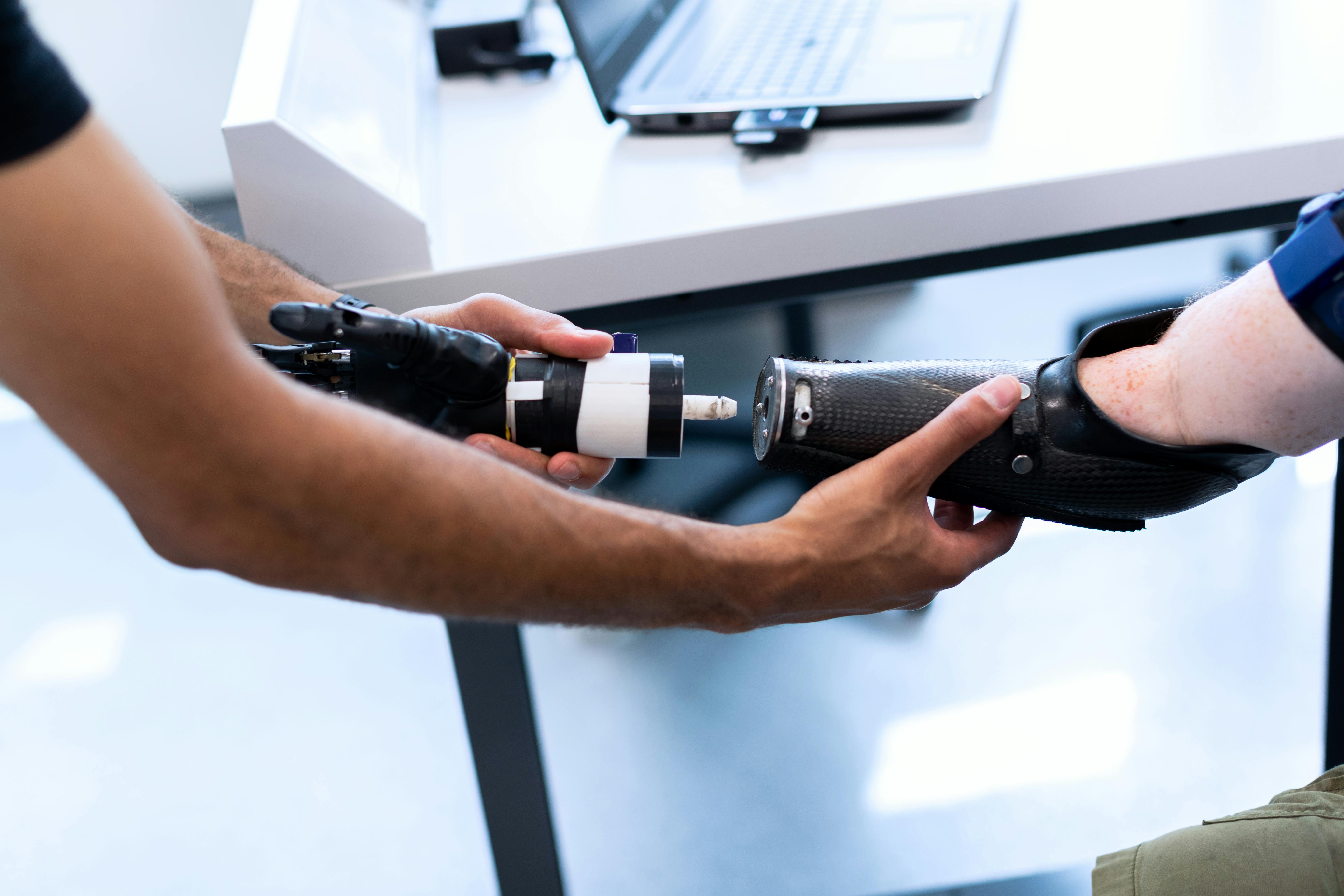
In the ever-evolving landscape of healthcare, driving operational efficiency is paramount. The demand for quality healthcare services is continually rising, while resources and budgets remain constrained. This creates a pressing need for healthcare providers to optimize operations, reduce waste, and enhance the overall patient experience. Operational efficiency in healthcare not only leads to cost savings but also improves patient outcomes and satisfaction. The journey towards achieving operational efficiency is multifaceted, involving strategic planning, technological integration, and process optimization.
Understanding Operational Efficiency in Healthcare
Operational efficiency in healthcare refers to the ability of healthcare organizations to deliver quality care while minimizing waste of resources such as time, money, and materials. It encompasses several key areas:
- Resource Allocation: Efficient use of staff, equipment, and facilities.
- Process Optimization: Streamlining workflows to enhance productivity and reduce bottlenecks.
- Cost Management: Implementing strategies to control expenses without compromising quality.
- Patient Flow: Ensuring smooth and timely movement of patients through various stages of care.
Learn more in this detailed guide on operational efficiency in healthcare by visiting this website.
Strategies to Enhance Efficiency
1. Embracing Technology
Technology plays a pivotal role in enhancing operational efficiency. The integration of Electronic Health Records (EHRs), telemedicine, and data analytics has transformed healthcare delivery. Key benefits include:
- Improved Data Management: EHRs consolidate patient information, reducing duplication and errors.
- Enhanced Communication: Telemedicine facilitates remote consultations, improving access to care.
- Data-Driven Decisions: Analytics provide insights into operational performance, guiding strategic decisions.
Explore further insights here on how technology is revolutionizing healthcare practices at this link.
2. Process Improvement Techniques
Healthcare organizations can adopt various process improvement methodologies such as Lean, Six Sigma, and Kaizen to enhance operational efficiency:
- Lean: Focuses on eliminating waste and streamlining operations.
- Six Sigma: Employs data-driven techniques to reduce variation and improve quality.
- Kaizen: Encourages continuous, incremental improvements in processes.
Read more about this topic on operational efficiency techniques at this page.
The Role of Workforce Management
Efficient workforce management is crucial in healthcare operations. It involves:
- Staffing Optimization: Ensuring the right number of staff with the appropriate skills are available when needed.
- Training and Development: Continuously enhancing the skills and competencies of the workforce.
- Employee Engagement: Motivating staff to contribute effectively to organizational goals.
Find additional information here on workforce management strategies at this source.
Overcoming Challenges in Implementing Operational Efficiency
While the benefits of operational efficiency are clear, implementation is often challenging due to:
- Resistance to Change: Employees may be hesitant to adopt new processes or technologies.
- Resource Limitations: Budget constraints can hinder the adoption of new systems.
- Complexity of Healthcare Systems: The intricate nature of healthcare delivery can complicate process improvements.
Learn more about overcoming these challenges and implementing effective strategies by exploring further insights here at this resource.
Achieving operational efficiency in healthcare is a continuous process that requires commitment and collaboration across the organization. By leveraging technology, optimizing processes, and effectively managing the workforce, healthcare providers can improve efficiency, reduce costs, and ultimately enhance patient care. For more detailed insights, consider visiting this comprehensive guide.