


Comprehensive Guide to Commercial Water Damage Restoration

Water damage can have devastating effects on commercial properties, leading to significant financial loss and operational downtime. The restoration process is not only about drying out the property but also involves a comprehensive approach to restoring the business environment to its pre-damaged state. Understanding the intricacies of commercial water damage restoration is essential for property managers, business owners, and facility maintenance teams seeking to minimize losses and resume operations swiftly.
Understanding Commercial Water Damage
Water damage in commercial settings can stem from various sources, including natural disasters, plumbing failures, and human errors. The impact can range from minor disruptions to major structural damage. Recognizing the source and extent of the damage is crucial in formulating an effective response strategy.
Common Causes of Water Damage
- Leaking or burst pipes
- Flooding due to heavy rainfall or storms
- Faulty appliances and equipment
- Sewage backups
- Fire-related water damage from sprinkler systems
The Water Damage Restoration Process
The process of restoring a commercial property after water damage involves several critical steps, each requiring careful execution. Explore advanced guides and tips for a deeper understanding of each phase.
Initial Inspection and Assessment
The first step is to conduct a thorough inspection to assess the extent of the damage. This involves identifying the source of the water, categorizing the type of water involved, and evaluating the level of contamination.
Water Extraction and Drying
Prompt removal of standing water is vital to prevent further damage. High-performance pumps and vacuums are used for extraction, followed by drying methods that include air movers and dehumidifiers. Discover expert strategies here to accelerate the drying process and prevent mold growth.
Cleaning and Sanitizing
Once the property is dried, cleaning and sanitization are critical to eliminate contaminants and ensure a safe environment. Specialized cleaning agents and disinfectants are employed to treat surfaces and prevent microbial growth.
Restoration and Repair
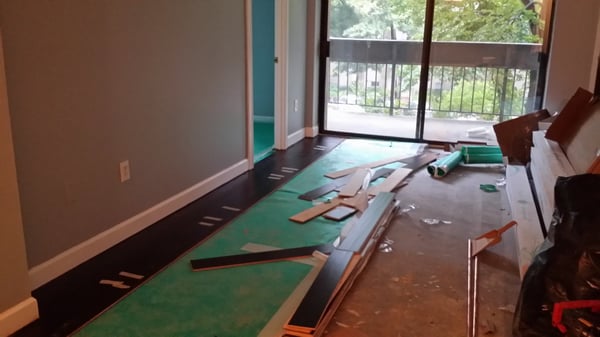
The final stage involves restoring the property to its original condition. This may include repairing damaged structures, replacing drywall, painting, and installing new carpeting or flooring. Find out more about this approach for a seamless restoration process.
Preventive Measures and Risk Mitigation
Proactive measures can significantly reduce the risk of future water damage in commercial properties. Implementing a comprehensive risk management plan is essential for long-term resilience.
Regular Maintenance and Inspection
- Conduct regular inspections of plumbing, roofing, and HVAC systems.
- Ensure proper drainage systems are in place to handle rainwater and prevent flooding.
- Maintain and test emergency equipment like sump pumps and backflow valves.
Emergency Preparedness Plans
Having a well-documented emergency preparedness plan can mitigate the impact of water damage. This includes training employees on response protocols and ensuring that essential contact information for emergency services is readily available. Learn about our tailored solutions to enhance your property’s resilience.
Conclusion
Commercial water damage restoration requires a methodical approach to ensure successful recovery and continuity of business operations. By understanding the causes, process, and preventive measures, businesses can better prepare for and respond to water-related incidents. For detailed guidance and services, explore advanced guides and tips on effective water damage restoration.