


Brighten Your Workplace: How Forklift Safety Lights Improve Efficiency

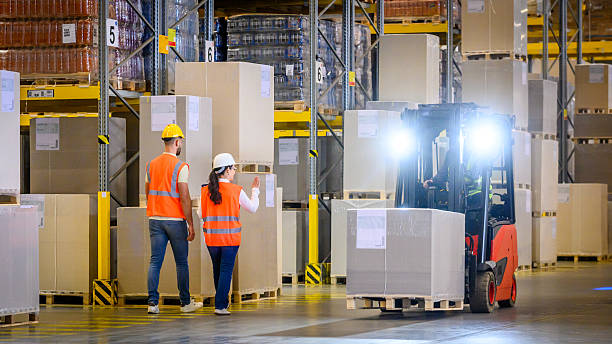
In the fast-paced environment of warehouses and distribution centers, safety and efficiency are paramount. The daily operations within these facilities often involve the use of forklifts, which, while essential, present certain safety risks. To mitigate these risks and enhance operational efficiency, many businesses are turning to innovative solutions like forklift safety lights. These lights not only improve visibility but also contribute to a safer and more efficient working environment.
The Importance of Forklift Safety Lights
Forklift safety lights are crucial in ensuring the safe movement of forklifts in busy environments. They offer multiple benefits that enhance both safety and efficiency:
- Increase Visibility: Safety lights significantly improve the visibility of forklifts, especially in dimly lit areas, reducing the risk of accidents.
- Warn Pedestrians: These lights serve as a warning to pedestrians, alerting them to the presence and movement of forklifts, thereby preventing potential collisions.
- Enhance Operator Awareness: By providing clear visual cues, safety lights help operators navigate more efficiently and avoid obstacles.
Types of Forklift Safety Lights
Various types of forklift safety lights are available to meet different operational needs. Understanding their functionalities can aid in selecting the appropriate lighting for specific applications.
Blue Safety Lights
Blue safety lights project a bright blue beam on the floor, several feet ahead or behind the forklift. This type of light provides a clear visual warning of the approaching vehicle, ensuring that both operators and pedestrians are aware of the forklift’s path.
Red Zone Lights
Red zone lights create a visual boundary around the forklift. This helps to maintain a safe distance between the forklift and nearby personnel or obstacles, which is crucial in preventing accidents in congested areas.
Strobe Lights
Strobe lights emit intense flashes of light, catching the attention of anyone nearby. These are particularly useful in loud environments where auditory signals might not be as effective.
Implementing Forklift Safety Lights Effectively
Integrating safety lights into a forklift fleet requires careful planning and consideration. Here are some strategies to ensure their effective use:
- Conduct a Risk Assessment: Evaluate the specific needs and potential hazards of the workplace to determine the most suitable types of safety lights.
- Regular Maintenance: Ensure that all lights are functioning correctly through regular checks and maintenance to maintain their effectiveness.
- Training and Awareness: Provide comprehensive training to all employees to understand the significance and operation of forklift safety lights.
- Compliance with Safety Standards: Adhere to industry safety standards and guidelines to optimize the protective benefits of safety lights.
The Impact on Workplace Efficiency
The integration of forklift safety lights translates to improved operational efficiency in several ways:
- Reduced Downtime: By preventing accidents and ensuring smooth operations, safety lights help minimize downtime and maintain productivity.
- Improved Traffic Flow: Enhanced visibility and awareness contribute to better traffic management within the facility, allowing for more efficient movement of goods.
- Increased Employee Confidence: A safer work environment boosts employee morale and confidence, leading to higher levels of engagement and productivity.
In conclusion, the adoption of forklift safety lights is a strategic move towards enhancing safety and efficiency in any warehouse or industrial setting. By choosing the appropriate lights and implementing them effectively, businesses can create a safer, more productive work environment that benefits both the workforce and the bottom line.