


HOA-Friendly Backflow Services for Your Community

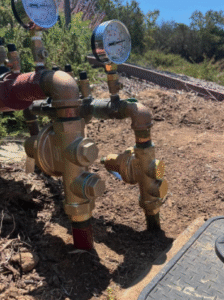
Homeowners’ Associations (HOAs) play a crucial role in the maintenance and governance of residential communities. Among the many responsibilities they manage, ensuring the safety and quality of the community’s water supply ranks high on the list of priorities. Regular backflow testing and prevention are essential components of this responsibility. Backflow prevention ensures that the water supply remains uncontaminated, safeguarding residents’ health and property values. This article delves into the importance of HOA-friendly backflow services, offering insights into how communities can benefit from professional solutions tailored to their unique needs.
Understanding Backflow and Its Implications
What Is Backflow?
Backflow occurs when water flows in the opposite direction from its intended path, which can cause contaminants to enter the clean water supply. This issue can arise due to various causes, including changes in pressure within the water system.
Potential Risks of Backflow Contamination
- Contaminated Drinking Water: Backflow can introduce harmful substances into the water supply, posing health risks to residents.
- Legal and Financial Implications: Failure to maintain proper backflow prevention measures can lead to legal liabilities and financial penalties for the HOA.
- Property Damage: Contaminated water can damage community facilities and individual homes, incurring costly repairs.
Benefits of Professional Backflow Services for HOAs
Engaging professional backflow services offers several advantages for HOAs. Discover expert strategies here on how these services can enhance community safety and compliance with regulations.
- Expert Assessment and Installation: Qualified professionals ensure that backflow prevention devices are correctly installed and functioning as intended, minimizing the risk of contamination.
- Regular Testing and Maintenance: Scheduled inspections and maintenance help keep devices in optimal condition, ensuring ongoing protection against backflow.
- Compliance with Regulations: Professional service providers stay up-to-date with state and local regulations, ensuring that the community remains compliant and avoids potential fines.
Choosing the Right Backflow Service Provider
When selecting a backflow service provider, HOAs should consider several factors to ensure they choose the best fit for their community’s needs. Learn about our tailored solutions designed to meet specific requirements.
Key Considerations
- Experience and Expertise: Look for providers with a proven track record in backflow prevention and management.
- Comprehensive Services: Ensure the provider offers a full range of services, from installation to testing and maintenance.
- Customer Reviews and References: Evaluate feedback from other communities to gauge the provider’s reliability and service quality.
Implementing a Backflow Prevention Plan
Developing and implementing a comprehensive backflow prevention plan is essential for any HOA committed to safeguarding its community. Explore advanced guides and tips for creating an effective strategy.
Steps to Develop a Plan
- Conduct a Risk Assessment: Identify areas within the community that are at higher risk of backflow incidents.
- Develop a Maintenance Schedule: Establish a routine for regular testing and maintenance of backflow prevention devices.
- Educate Residents: Provide information to residents about the importance of backflow prevention and how they can help maintain the system’s integrity.
Conclusion
Ensuring the safety and quality of a community’s water supply is a fundamental responsibility for any HOA. By partnering with experienced backflow service providers, communities can implement effective backflow prevention measures that protect residents and maintain compliance with regulations. Find out more about this approach to backflow prevention and how it can benefit your community. With the right plan and professional support, HOAs can confidently manage this critical aspect of community maintenance, securing a safe and healthy environment for all residents.