


Upgrade Your Home with Insulation Panels for Garage Doors

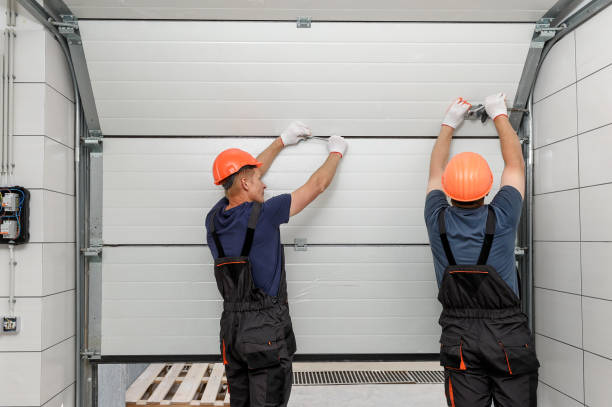
In the pursuit of enhancing home energy efficiency, many homeowners overlook the garage?a space that, when neglected, can significantly affect a home?s thermal performance. Leveraging garage door insulation is a strategic step toward improving this often-ignored area. Insulation panels, specifically designed for garage doors, not only contribute to energy conservation but also enhance comfort and usability.
The Importance of Insulating Garage Doors
A garage door is typically one of the largest single openings in a home, making it a primary culprit for energy loss. Here?s why insulated garage doors are crucial:
- Energy Efficiency: Insulated doors reduce heat transfer, maintaining a balanced temperature in the garage, which can indirectly lower heating and cooling costs.
- Enhanced Comfort: A well-insulated garage is more comfortable to use throughout the year, regardless of external temperatures.
- Noise Reduction: Insulation helps to dampen noise, both from outside disturbances and from activities within the garage.
- Durability and Strength: Insulated panels add an extra layer of protection, increasing the durability of the garage door.
Choosing the Right Insulation Panels
Selecting the appropriate insulation panels for garage doors depends on several factors:
Material
The material of the insulation panel plays a critical role in its effectiveness:
- Polystyrene Foam: Known for its excellent insulating properties and light weight.
- Polyurethane Foam: Offers higher insulation values and is denser, providing superior thermal resistance.
R-Value
The R-value measures the insulation’s ability to resist heat flow. Higher R-values indicate better insulation performance. It is crucial to choose panels that meet the specific climate needs of your location.
Installation Process
Proper installation is critical to maximize the benefits of overhead door insulation panels. While professional installation ensures optimal fitting, DIY enthusiasts can also undertake the task with the right tools and guidance:
- Measure the door panels accurately to ensure a snug fit.
- Cut the insulation panels to size using a sharp utility knife or insulation saw.
- Secure the panels in place using appropriate adhesives or fasteners recommended by the manufacturer.
- Seal any gaps around the edges with weather stripping to prevent air leaks.
Benefits of Insulated Garage Doors
Implementing garage door insulation offers several long-term benefits:
- Increased Home Value: An insulated garage door is an attractive feature for potential buyers, adding value to the property.
- Long-term Savings: Reduced energy bills and increased door longevity provide financial savings over time.
- Environmental Impact: Lower energy consumption contributes to a smaller carbon footprint, supporting environmental sustainability.
In conclusion, upgrading a garage with insulation panels is a strategic investment that enhances energy efficiency, comfort, and the overall value of a home. By choosing the right materials and ensuring proper installation, homeowners can transform their garages into more functional and energy-efficient spaces.