


Home Care Assistance: Support for Seniors

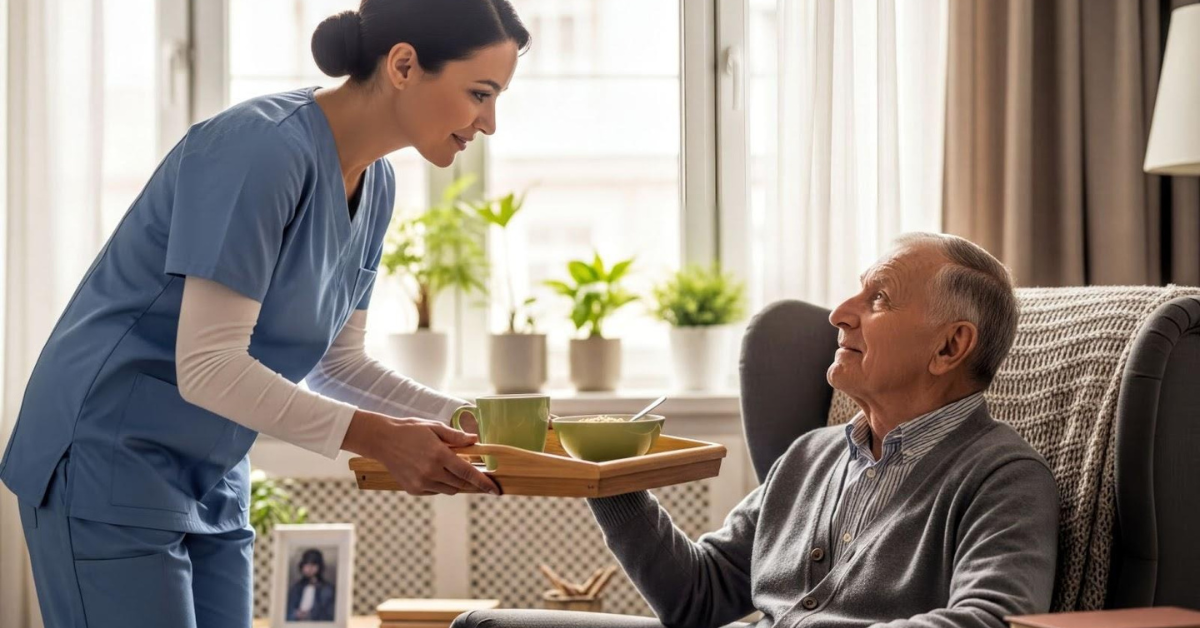
Aging is a natural process that brings about various changes and challenges in an individual’s life. For seniors, maintaining independence while ensuring safety and comfort becomes paramount. Home care assistance plays a vital role in achieving this balance, offering support that enables seniors to live in their own homes while receiving the care they need. This article explores the multifaceted domain of home care assistance, highlighting its importance, components, and benefits for seniors and their families.
Understanding Home Care Assistance
Home care assistance encompasses a range of services designed to support seniors in their daily living activities. It provides a compassionate alternative to nursing homes or assisted living facilities, allowing seniors to remain in the comfort of their own homes. Services can be tailored to meet the specific needs of individuals, ensuring personalized care.
Types of Home Care Services
- Personal Care: Assistance with daily activities such as bathing, dressing, and grooming.
- Companionship: Social interaction and emotional support to prevent loneliness and depression.
- Healthcare Services: Medical monitoring, medication management, and coordination with healthcare providers.
- Household Assistance: Help with chores, meal preparation, and transportation.
For a deeper understanding of the various types of services available, read more about this topic.
The Benefits of Home Care Assistance
Home care assistance offers numerous benefits that contribute to the overall well-being of seniors. These benefits not only enhance the quality of life for the elderly but also offer peace of mind to their families.
- Independence: Seniors can maintain their independence and routine in a familiar environment.
- Personalized Care: Services are tailored to meet individual needs, providing a more personalized experience.
- Cost-effective: Home care is often more affordable than residential care facilities.
- Family Involvement: Families can be actively involved in the care process, enhancing the support system.
To explore further insights here about how home care assistance can benefit seniors and their families.
Choosing the Right Home Care Provider
Selecting the appropriate home care provider is crucial to ensuring that seniors receive the best possible care. Several factors should be considered when making this decision.
Factors to Consider
- Licensing and Accreditation: Verify that the provider is licensed and accredited by relevant health authorities.
- Experience and Reputation: Consider the provider’s experience in the industry and their reputation among clients.
- Range of Services: Ensure that the provider offers the specific services required by the senior.
- Cost: Compare costs and determine whether they fit within the budget while offering value.
For a comprehensive guide on choosing the right provider, learn more in this detailed guide.
The Future of Home Care Assistance
As the elderly population continues to grow, home care assistance is expected to evolve, incorporating new technologies and approaches to improve service delivery. Innovations such as telehealth, wearable health monitoring devices, and enhanced communication platforms will likely play a significant role in shaping the future of home care.
To stay informed about developments in this field, find additional information here.
In conclusion, home care assistance is an invaluable resource that supports seniors in maintaining their independence and quality of life. By understanding the available services, benefits, and selection criteria, families can make informed decisions that best meet the needs of their loved ones.