


The Benefits of Turkey Liver for Cats: A Nutritious Treat

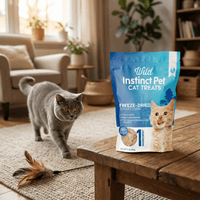
Cats, known for their discerning tastes and specific dietary needs, can benefit greatly from a well-balanced diet. Among the various treats available, turkey liver stands out as a particularly nutritious option. Incorporating turkey liver into a cat’s diet can offer numerous health benefits, providing both essential nutrients and an enticing flavor that most cats adore. This article delves into the benefits of turkey liver for feline health and how it can be introduced into their diet effectively.
Nutritional Benefits of Turkey Liver for Cats
Rich Source of Essential Nutrients
Turkey liver is packed with vital nutrients that contribute to a cat’s overall health:
- High in Protein: Supports muscle development and maintenance.
- Vitamin A: Essential for maintaining healthy vision, immune function, and skin health.
- Iron: Aids in the formation of red blood cells and prevents anemia.
- Vitamin B12: Crucial for nervous system health and proper digestive function.
Natural Flavor Enhancer
Cats often find turkey liver to be exceptionally palatable, making it an effective way to entice picky eaters. The rich aroma and taste can enhance the flavor of regular meals, ensuring that cats receive the nutrition they need. Find out more about this approach to improving your cat’s diet.
How to Incorporate Turkey Liver into a Cat’s Diet
Moderation is Key
While turkey liver is highly nutritious, it should be fed in moderation to avoid any potential health issues:
- Limit treats to no more than 5-10% of the cat’s overall diet.
- Gradually introduce turkey liver to avoid digestive upset.
- Monitor the cat’s reaction to ensure there are no adverse effects.
Preparation Tips
To maximize the health benefits, consider these preparation methods:
- Cooked or Raw: Turkey liver can be served raw or lightly cooked, but ensure it’s fresh and sourced from reputable suppliers.
- Puree or Chopped: For older cats or those with dental issues, pureeing or finely chopping the liver can make it easier to consume.
Discover expert strategies here for preparing turkey liver treats that your cat will love.
Potential Concerns and Considerations
Vitamin A Toxicity
Excessive intake of liver can lead to vitamin A toxicity, which is why moderation is crucial. Symptoms include:
- Weight loss or decreased appetite
- Lethargy
- Bone abnormalities
Consult with a veterinarian to tailor the amount of liver appropriate for your cat’s specific needs. Explore advanced guides and tips to ensure you’re providing the best care.
Balancing the Diet
Turkey liver should complement a balanced diet rather than replace any component. Ensure the cat’s primary diet includes:
- High-quality protein sources
- A mix of wet and dry food to maintain hydration
- Essential fatty acids for coat health
Learn about our tailored solutions to maintain a healthy and balanced diet for your feline friend.
In conclusion, turkey liver can be a healthy and delicious addition to a cat’s diet when given in moderation. Its rich nutrient profile aids in supporting various aspects of feline health, from vision to immune function. By understanding the benefits and how to properly integrate turkey liver into meal plans, cat owners can significantly enhance their pet’s well-being. Consider exploring options that include turkey liver to give your cat a treat that is both enjoyable and beneficial.