


Protect Your Home with Durable Tarps for Roofs

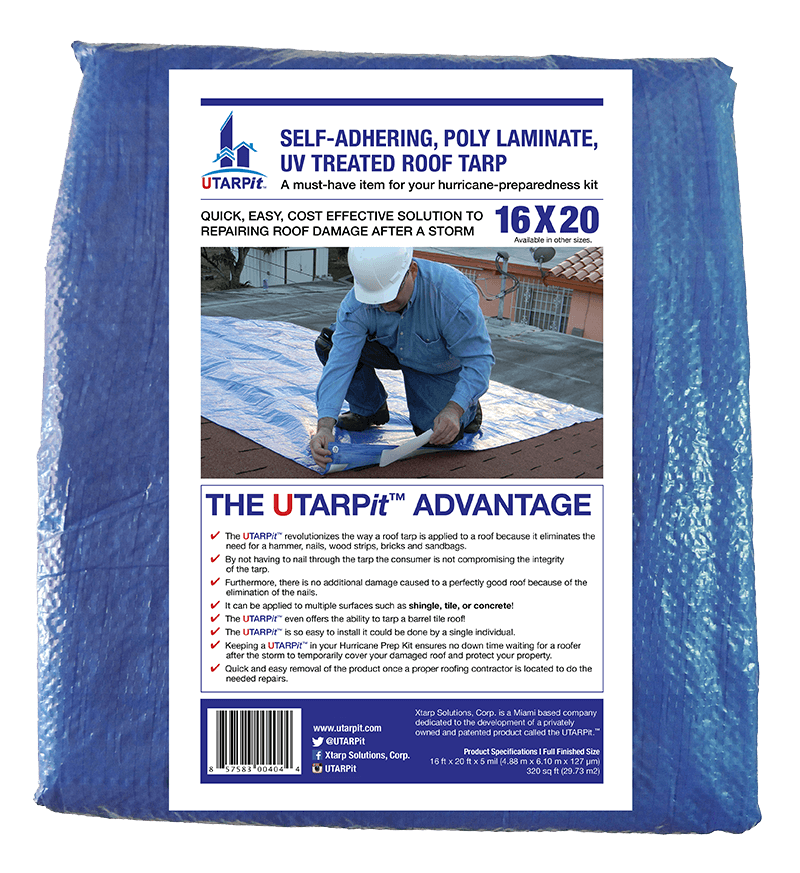
Protecting the roof of a home is paramount for ensuring the safety and longevity of the entire structure. Roofs are the first line of defense against harsh weather conditions, and maintaining their integrity is crucial. Whether facing a heavy storm, unexpected leaks, or undergoing repairs, using durable tarps for roofs can provide the necessary protection. High-quality tarps offer a temporary solution that shields the home from further damage while allowing for necessary repairs or maintenance. This article explores the benefits of using tarps, the various types available, and how to effectively use them to safeguard your home.
Benefits of Using Tarps for Roof Protection
Tarps are essential tools for homeowners looking to protect their roofs from potential damage. Here are some key benefits:
- Weather Resistance: Tarps are designed to withstand extreme weather conditions, including heavy rain, snow, and wind. This makes them a reliable choice during storms or unexpected weather events.
- Cost-Effective Solution: Investing in a tarp is a cost-effective alternative to immediate roof repair. It provides a temporary yet effective barrier that can prevent costly damage.
- Durability and Strength: Quality tarps are made from materials that are both strong and durable, ensuring they can handle the stress of environmental conditions without tearing or degrading quickly.
- Versatility: Tarps come in various sizes and materials, making it easy to find the right fit for any roof type or size.
Different Types of Roof Tarps
Choosing the right tarp involves understanding the different types available and their specific uses. Here are the most common types of tarps used for roofing:
Polyethylene (Poly) Tarps
Poly tarps are the most common type used for roofing. They are lightweight, waterproof, and UV resistant, making them ideal for temporary roof protection. They are available in various thicknesses, with the heavier options providing greater durability.
Vinyl Tarps
Known for their strength and resistance to punctures, vinyl tarps are excellent for long-term use. They are more expensive than poly tarps but offer superior protection, especially in areas prone to severe weather conditions.
Canvas Tarps
Made from cotton or polyester, canvas tarps are breathable and water-resistant. They are suitable for protecting roofs during mild weather but are not recommended for heavy rain or snow due to their absorbent nature.
How to Properly Install a Roof Tarp
Installing a tarp correctly is crucial to ensuring maximum protection. Here are the steps to follow:
- Measure the Area: Determine the size of the area that needs protection to ensure the tarp fully covers it.
- Select the Right Tarp: Choose a tarps for roofs that suits your specific needs based on size and material.
- Secure the Tarp: Use ropes, nails, or bungee cords to fasten the tarp securely to the roof. Ensure it is taut to prevent wind from getting underneath.
- Check for Gaps: Inspect the tarp for any gaps or openings that may allow water or debris to enter.
Conclusion
Using durable tarps for roofs is a smart and practical way to protect your home from the elements, especially during unexpected situations. By understanding the different types of tarps and how to install them effectively, homeowners can ensure their property remains safe and secure. For more information on selecting the right tarp for your needs, consider exploring a variety of options available online, such as tarps for roofs that are designed to meet different requirements.