


Maximize Freshness: The Benefits of Vacuum Packing Bags

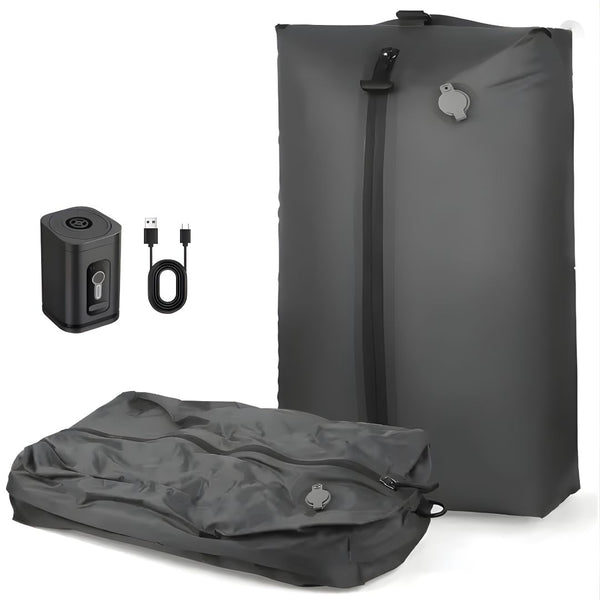
Vacuum packing bags have revolutionized the way perishable goods are stored, extending the shelf life of food and other items significantly. These innovative storage solutions have become indispensable in both domestic and commercial environments. By removing air from the packaging, vacuum packing bags create an airtight seal that inhibits the growth of bacteria and mold, which are primarily responsible for food spoilage. This article delves into the various benefits of using vacuum packing bags, offering insights into how they can be employed to maximize freshness and preserve the quality of stored goods.
Understanding Vacuum Packing Technology
Vacuum packing technology involves the extraction of air from a package before sealing it, creating a vacuum. This process drastically reduces the presence of oxygen, which is essential for the survival of many microorganisms. Consequently, vacuum packing is a highly effective means of preventing spoilage and maintaining the integrity of the packed items.
How Vacuum Packing Works
- Air is removed from the packaging using a vacuum sealer.
- The absence of air limits the growth of aerobic bacteria and fungi.
- Sealed bags prevent external factors like moisture and contaminants from entering.
The Key Benefits of Vacuum Packing Bags
Employing vacuum packing bags offers multiple advantages that enhance the longevity and quality of stored items.
Extended Shelf Life
- Reduces the risk of spoilage by inhibiting bacterial growth.
- Preserves the nutritional value and flavor of food items.
Space Efficiency
- Compresses the contents, allowing for more efficient storage.
- Ideal for maximizing storage space in both refrigerators and pantry shelves.
Cost-Effective Solution
- Reduces food waste by extending the freshness of perishables.
- Minimizes the need for frequent grocery shopping, leading to cost savings.
Applications Beyond Food Storage
While vacuum packing bags are predominantly used for food preservation, their utility extends beyond the kitchen. They have versatile applications in various sectors.
Non-Food Uses
- Clothing and Textiles: Protects clothes from moisture and dust, making them ideal for seasonal storage.
- Camping and Travel Gear: Keeps equipment dry and compact, optimizing luggage space.
- Electronic Equipment: Shields gadgets from humidity and dust, prolonging their lifespan.
Commercial Applications
- Hospitality Industry: Maintains the quality of bulk food supplies.
- Retail and Shipping: Ensures products reach consumers in pristine condition.
Making the Most of Vacuum Packing Bags
To fully leverage the advantages of vacuum packing bags, consider these best practices:
- Ensure the bags are made of food-safe materials if used for food storage.
- Regularly check the seal integrity to maintain optimal freshness.
- Label and date each package for efficient inventory management.
In conclusion, vacuum packing bags are a vital tool for anyone looking to preserve the quality and freshness of their goods. Whether for home use or commercial purposes, these bags offer unmatched versatility and efficiency. By understanding the benefits and applications of vacuum packing, users can optimize their storage solutions and significantly reduce waste, ultimately leading to more sustainable practices.