


The Importance of Metal Roof Inspection

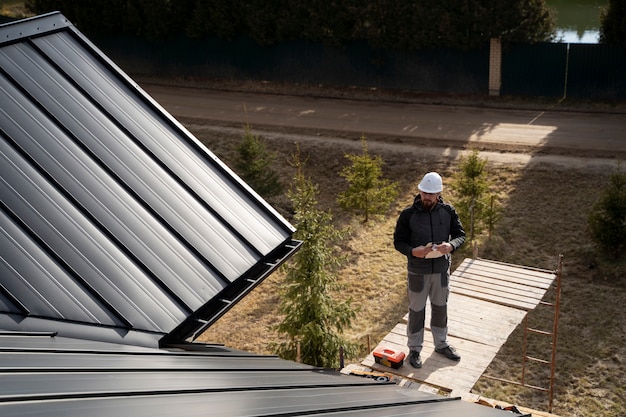
The durability and longevity of a building’s roofing system are paramount to its overall structural integrity. Metal roofs, revered for their resilience and energy efficiency, require regular inspections to maintain their optimal performance. A comprehensive understanding of the importance of metal roof inspections can help building owners prevent costly repairs, extend the lifespan of their roof, and safeguard their investment.
Why Metal Roof Inspections Matter
Metal roofs are known for their durability, but they are not invincible. Regular inspections play a crucial role in identifying potential problems that could compromise the roof’s integrity. Here are some reasons why metal roof inspections are essential:
- **Early Detection of Issues:** Inspections can reveal early signs of wear and tear, such as corrosion, loose panels, or compromised fasteners, allowing for timely repairs.
- **Preventative Maintenance:** Addressing minor issues before they escalate can prevent extensive damage and costly repairs.
- **Safety Assurance:** Ensuring that your roof is in good condition minimizes the risk of accidents resulting from structural failures.
- **Warranty Compliance:** Regular inspections may be required to maintain the warranty provided by roofing manufacturers.
Components of a Comprehensive Metal Roof Inspection
A thorough inspection of a metal roof involves several key components to ensure a holistic assessment. Understanding these components can guide property owners in recognizing the scope of what a professional inspection entails. For a detailed understanding, explore advanced guides and tips on this topic.
Visual Inspection
The initial step in a metal roof inspection is a visual examination. This involves checking for visible signs of damage, such as:
- Rust or corrosion on the metal panels.
- Loose or missing fasteners and screws.
- Damage from weather events, such as dents or punctures.
- Signs of water infiltration around seams and joints.
Structural Assessment
Beyond visual checks, a structural assessment ensures the roof’s support system remains robust. This involves evaluating:
- The integrity of underlying structures, such as trusses and rafters.
- Any signs of sagging or deformation in the roof structure.
- The alignment and stability of the metal panels.
Functional Testing
Functional testing includes simulating weather conditions to assess the roof’s performance under stress. This may involve:
- Water testing to check for leaks.
- Wind uplift tests to ensure panels and fasteners hold strong.
- Thermal imaging to detect insulation and heat loss issues.
To learn more about these inspection methods, find out more about this approach and ensure your roof remains in peak condition.
Benefits of Professional Roof Inspections
While some property owners may feel capable of performing basic inspections, professional roof inspections offer unique advantages:
- **Expertise and Experience:** Professionals possess the knowledge to identify issues that may be overlooked by an untrained eye.
- **Access to Advanced Tools:** Specialized equipment can provide a more thorough inspection than basic visual checks.
- **Comprehensive Reporting:** Detailed reports from professionals offer insights into the roof’s condition and recommended maintenance strategies.
- **Insurance Benefits:** Many insurance policies require proof of regular inspections to process claims efficiently.
For those interested in how professionals conduct these inspections, discover expert strategies here and consider the benefits of consulting with experts.
Conclusion
Regular metal roof inspections are an integral part of maintaining the health and longevity of a building’s roofing system. By identifying and addressing issues early, property owners can prevent significant damage and ensure their roof continues to perform effectively. For more tailored solutions and expert advice, learn about our tailored solutions and explore the best practices for maintaining a robust, durable metal roof.