


Professional Teeth Cleaning for Optimal Oral Health

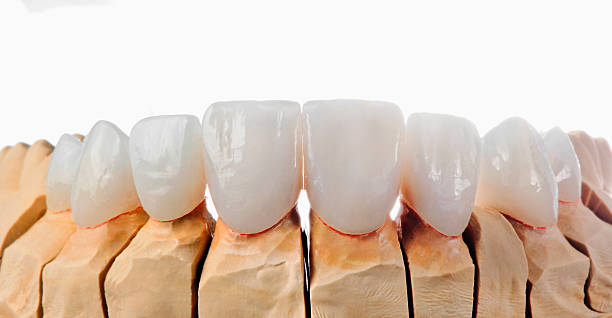
Maintaining optimal oral health is a cornerstone of overall well-being, and professional teeth cleaning plays a pivotal role in achieving this goal. While daily brushing and flossing are essential habits, they often aren’t enough to remove all the plaque and tartar that accumulate over time. Professional teeth cleaning, performed by a dental hygienist, can address these issues, helping to prevent cavities, gum disease, and other dental problems. This article explores the importance of professional teeth cleaning, what to expect during a cleaning session, and how it contributes to better oral health.
The Importance of Professional Teeth Cleaning
Professional teeth cleaning is vital for several reasons:
- Removes plaque and tartar buildup that regular brushing cannot eliminate.
- Helps prevent gum disease by cleaning beneath the gum line.
- Contributes to fresher breath and a brighter smile.
- Allows dental professionals to monitor overall oral health and detect issues early.
For more insights into the benefits of regular dental cleanings, explore further insights here.
What to Expect During a Professional Teeth Cleaning
Understanding the process of professional teeth cleaning can help alleviate any anxiety associated with dental visits. Here is a step-by-step overview of what typically occurs:
Initial Examination
The dental hygienist begins with an initial examination of the mouth using a small mirror to check for signs of gingivitis or other potential concerns. If significant problems are detected, the dentist may be consulted before proceeding. Learn more in this detailed guide about how dental examinations can uncover underlying health issues.
Removing Plaque and Tartar
Using a scaler, the dental hygienist removes plaque and tartar around the gum line and between the teeth. This step is crucial as tartar cannot be removed by regular brushing. For comprehensive details on plaque removal techniques, read more about this topic.
Deep Cleaning with Prophylaxis Paste
After the tartar removal, the teeth are brushed with a high-powered electric brush and gritty prophylaxis paste. This deep clean helps to polish the teeth and remove any remaining plaque or stains. Find additional information here on the benefits of professional polishing.
Flossing and Rinsing
Professional flossing removes any particles left between the teeth, and a fluoride rinse helps to further clean the mouth. This step ensures that the teeth are thoroughly cleaned and ready for fluoride treatment.
Fluoride Treatment
The final step involves applying a fluoride treatment to help protect the teeth against cavities for several months. The fluoride is applied as a gel or foam, often flavored for comfort, which is left on the teeth for a couple of minutes to take effect.
Benefits of Regular Professional Cleanings
Routine professional teeth cleanings offer numerous benefits:
- Reduces the risk of tooth decay and gum disease.
- Promotes early detection of oral health issues.
- Contributes to overall health by decreasing bacteria that can lead to systemic diseases.
- Enhances appearance by keeping teeth bright and shiny.
For more detailed insights into the health implications of dental care, explore further insights here.
Conclusion
Incorporating professional teeth cleaning into a regular dental care routine is essential for maintaining oral health. These cleanings, performed by skilled dental professionals, can prevent a host of dental issues and contribute to a healthier life. By understanding the process and recognizing its importance, individuals can make informed decisions about their oral hygiene practices. For more information on maintaining optimal oral health through professional cleanings, read more about this topic.