


The Ultimate Guide to Choosing the Best Safety Shoes

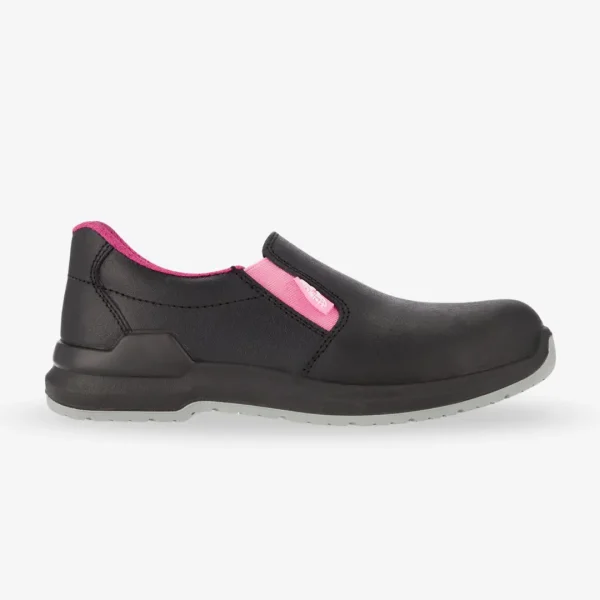
Safety shoes are an essential component of personal protective equipment for a wide range of industries. They are designed to provide protection against potential hazards such as heavy objects, sharp items, and slippery surfaces. Choosing the right pair of safety shoes can mean the difference between a safe working environment and potential injuries. This guide will walk you through the key considerations for selecting the best safety shoes tailored to specific workplace needs.
Understanding Safety Shoe Standards
Before selecting a pair of safety shoes, it is crucial to understand the industry standards that govern their design and performance. These standards ensure that the footwear provides adequate protection in various work environments.
- ANSI (American National Standards Institute) and ASTM (American Society for Testing and Materials) standards are widely recognized in the United States.
- In Europe, safety shoes must comply with EN ISO 20345 standards.
- Key safety features to look for include impact resistance, compression resistance, and slip resistance.
Identifying Workplace Hazards
Each work environment presents unique hazards, and understanding these is the first step in choosing the appropriate safety shoes. Consider the following:
Physical Hazards
- Falling or rolling objects require shoes with steel or composite toe caps.
- Sharp objects necessitate puncture-resistant soles.
Environmental Factors
- Wet or oily surfaces demand slip-resistant outsoles.
- High-temperature areas benefit from heat-resistant materials.
- For electrical work, ensure the shoes have electrical hazard (EH) protection.
Choosing the Right Material
The material of safety shoes impacts both comfort and protection. Common materials include:
- Leather: Durable and provides good protection but may not be suitable for wet conditions.
- Synthetic Materials: Lightweight and often waterproof, ideal for environments where moisture is a concern.
- Rubber: Excellent for slip resistance and ideal for jobs requiring a lot of movement on slippery surfaces.
Ensuring Comfort and Fit
Comfort is a crucial factor, especially for workers who spend long hours on their feet. Ill-fitting shoes can lead to fatigue, blisters, and other foot problems. Here are some tips for ensuring the right fit:
- Try on shoes at the end of the day when feet are slightly swollen to get a better fit.
- Wear the socks that will be used with the shoes during the fitting process.
- Walk around to ensure there is no pinching or slipping.
Purchasing Safety Shoes
When it comes to purchasing safety shoes for workers, consider reputable suppliers who offer a range of options and adhere to relevant safety standards. Investing in quality footwear will not only provide protection but also long-term comfort and durability, making it a wise decision for both employers and employees.
Understanding the specific requirements of your work environment and the available options will guide you in choosing the best safety shoes. By prioritizing safety, comfort, and compliance with standards, workers can perform their duties with confidence and peace of mind.