


Balancing Menopause: Supplements for Night Sweats

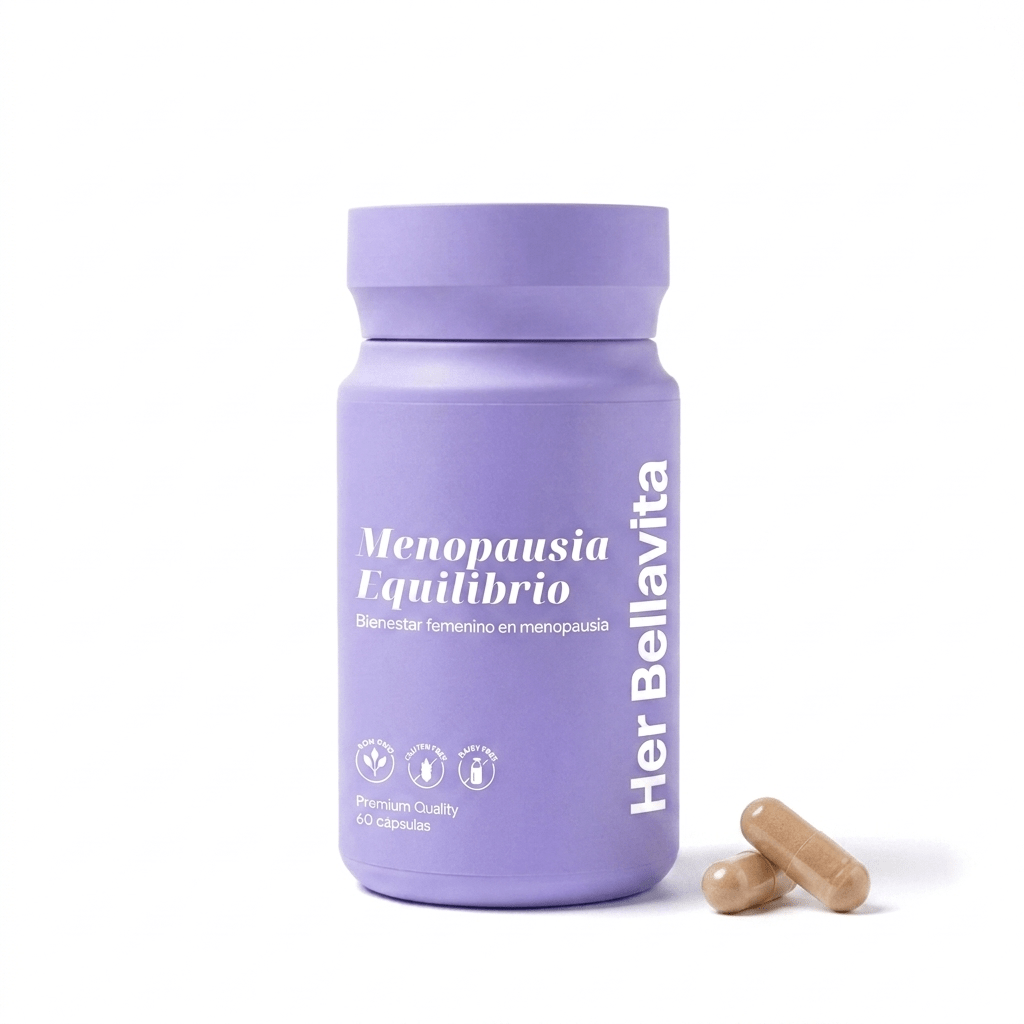
Night sweats are one of the most disruptive symptoms that many women experience during the menopausal transition. The sudden surge of heat, followed by profuse sweating, can interrupt sleep, lower energy levels, and increase daily stress. While lifestyle adjustments such as temperature-controlled bedding and stress-reduction techniques are valuable, the right nutritional support can play a pivotal role in moderating these episodes. This article explores the science behind night sweats, highlights key nutrients that have demonstrated efficacy, and offers practical guidance on selecting supplements that align with a balanced, hormone-supportive approach.
Understanding the Physiology of Night Sweats
Night sweats, medically known as nocturnal hyperhidrosis, are primarily driven by fluctuations in estrogen and progesterone. As ovarian function declines, the hypothalamus, your body’s internal thermostat, receives mixed signals, leading to sudden vasodilation and heat loss through sweat glands. Additional factors that can amplify this response include:
- Stress hormones (cortisol) that rise during menopause.
- Insulin resistance and metabolic shifts.
- Certain medications, caffeine, and alcohol.
- Environmental triggers such as warm bedroom temperatures.
Key Nutrients That Help Regulate Body Temperature
Phytoestrogens
Plant-derived compounds that mimic estrogen, such as isoflavones found in soy and red clover, can gently smooth hormonal peaks and valleys. Clinical trials have shown a modest reduction in the frequency of hot flashes and night sweats when these compounds are consumed consistently.
Magnesium
Magnesium supports over 300 enzymatic reactions, including those involved in nerve signaling and muscle relaxation. Adequate magnesium levels have been linked to improved sleep quality and reduced episodes of excessive sweating.
Vitamin D & Calcium
Both nutrients are essential for bone health, but they also influence the endocrine system. Vitamin D receptors are present in the hypothalamus, and deficiency may exacerbate thermoregulatory disturbances.
B-Complex Vitamins
The B-vitamins, especially B6 and B12, aid in neurotransmitter synthesis and energy metabolism. They help mitigate stress-related spikes in cortisol, which can trigger night sweats.
Choosing an Effective Supplement Formula
When evaluating products, look for blends that combine the nutrients above in bioavailable forms. A well-rounded formula typically includes:
- Standardized extracts of soy isoflavones or black cohosh.
- Magnesium glycinate or citrate for optimal absorption.
- Vitamin D3 (cholecalciferol) paired with calcium carbonate or citrate.
- A balanced B-complex, preferably with methylated forms of B12 and B6.
For a comprehensive solution, consider a product that is specifically marketed as a suplemento para sudores nocturnos menopausia. Such formulations are often crafted with the exact ratios needed to support thermoregulation without excessive dosing.
Integrating Supplements Into a Daily Routine
- Timing: Take the supplement with a meal that contains healthy fats to enhance the absorption of fat-soluble vitamins (e.g., vitamin D).
- Consistency: Benefits typically emerge after 4-6 weeks of regular use, so maintain a steady schedule.
- Hydration: Adequate water intake helps the body manage sweat production and supports overall metabolic function.
- Complementary habits: Pair supplementation with cooling bedtime practices, light breathable fabrics, a cool-room environment, and mindfulness breathing exercises.
Safety Considerations and Interactions
Most natural supplements are well tolerated, but it is essential to be aware of potential interactions:
- Phytoestrogens may affect hormone-sensitive conditions; consult a healthcare professional if you have a history of breast or uterine cancer.
- High doses of magnesium can cause gastrointestinal discomfort; stay within the recommended daily allowance unless directed otherwise.
- Vitamin D supplementation should be monitored if you have renal issues or take medications that affect calcium metabolism.
Additional Lifestyle Strategies to Reduce Night Sweats
Supplements work best when combined with supportive lifestyle choices. Consider incorporating the following practices:
- Temperature control: Keep bedroom temperature between 60-66??F (15-19??C) and use moisture-wicking bedding.
- Dietary tweaks: Limit spicy foods, caffeine, and alcohol in the evening.
- Stress management: Yoga, meditation, or deep-breathing exercises can lower cortisol levels that trigger sweating.
- Regular physical activity: Moderate exercise improves circulation and hormonal balance.
Where to Find High-Quality, Natural Options
For those seeking a blend that aligns with the principles outlined above, a selection of vitaminas para la menopausia naturales is available from reputable sources that prioritize purity, third-party testing, and sustainable sourcing. These products often carry certifications such as GMP (Good Manufacturing Practices) and are free from artificial additives.
Conclusion
Night sweats need not dominate the menopausal experience. By understanding the hormonal drivers, selecting targeted nutrients, and integrating them into a holistic wellness plan, many women find measurable relief. A thoughtfully formulated suplemento menopausia sofocos, combined with lifestyle adjustments, can restore comfort, improve sleep quality, and support overall health during this transformative life stage. As always, consult with a healthcare professional before beginning any new supplement regimen to ensure it aligns with individual health needs and medications.