


Dog Training Basics: A Guide for First-Time Owners

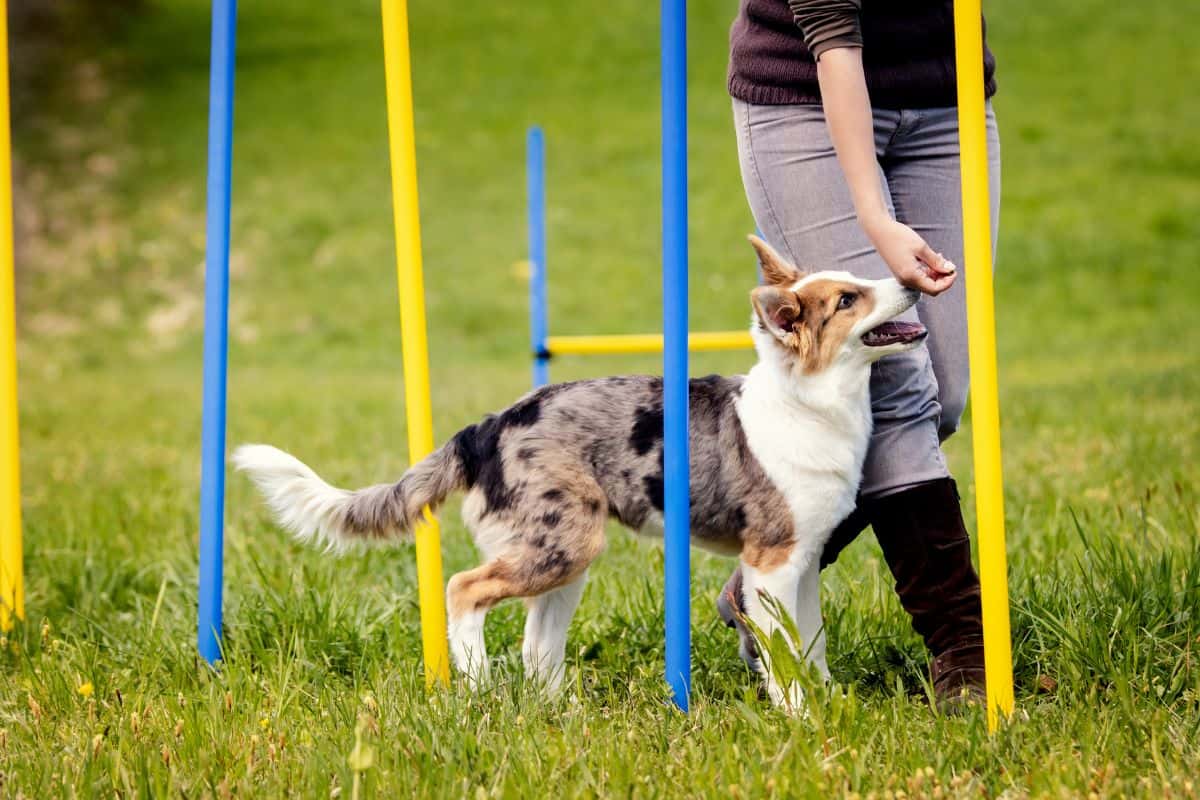
For many first-time dog owners, training their new pet can be a daunting task. With so many different methods and techniques available, it’s hard to know where to start. However, with the right guidance and approach, dog training can be a fun and rewarding experience for both you and your pet. At Cornerstone K9, they specialize in providing expert advice and tailored solutions for dog owners of all experience levels.
Understanding Canine Behavior
Before you can begin training your dog, it’s essential to understand their behavior and body language. Dogs communicate in a unique way, using a combination of vocalizations, physical postures, and scent marking to convey their emotions and intentions. By learning to recognize and interpret these cues, you can build a stronger bond with your pet and develop a more effective training plan.
One of the most important things to remember is that dogs are pack animals, and they thrive on structure and routine. A well-designed training program should take this into account, providing a clear and consistent framework for learning and development. This includes setting clear boundaries and expectations, using positive reinforcement techniques, and providing plenty of opportunities for exercise and play.
Basic Obedience Commands
Once you have a good understanding of your dog’s behavior and needs, you can begin teaching basic obedience commands. These are the foundation of any successful training program, and they should be taught in a clear and concise manner. Some of the most essential commands include:
- Sit: This is one of the most basic commands, and it’s essential for establishing a strong bond between you and your dog. To teach your dog to sit, hold a treat above their head and move it backwards towards their tail. As they follow the treat with their nose, their bottom will lower into a sitting position.
- Stay: Building on the sit command, stay is an essential skill for any dog owner. To teach your dog to stay, start by having them sit, then take a few steps back and say “stay.” Gradually increase the distance and duration of the stay, rewarding your dog with treats and praise for good behavior.
- Come: This is one of the most critical commands, as it allows you to recall your dog in emergency situations. To teach your dog to come, start by having them on a leash, then call their name and say “come.” When they respond, reward them with treats and praise.
Housebreaking and Leash Training
Housebreaking and leash training are two of the most challenging aspects of dog ownership, but they’re also essential for maintaining a clean and safe home. At Cornerstone K9, they offer expert guidance and support to help you overcome these challenges and develop a well-behaved and well-trained dog.
Housebreaking involves teaching your dog to eliminate outside, rather than in the house. This requires a combination of consistency, patience, and positive reinforcement. Start by establishing a regular routine for feeding and exercise, then take your dog outside to the same spot each time. Use a specific command, such as “go potty,” to signal that it’s time to eliminate.
Leash training involves teaching your dog to walk calmly and quietly on a leash, without pulling or straining. This requires a combination of patience, consistency, and positive reinforcement. Start by introducing your dog to the leash gradually, then practice walking in different environments and situations.
Conclusion
Dog training is a lifelong process, and it requires patience, consistency, and positive reinforcement. By understanding canine behavior, teaching basic obedience commands, and developing a well-behaved and well-trained dog, you can build a strong and lasting bond with your pet. For more information and expert guidance, visit Cornerstone K9 and discover expert strategies for a happier, healthier dog.