


A Guide to Understanding Polyethylene Foam and Its Uses

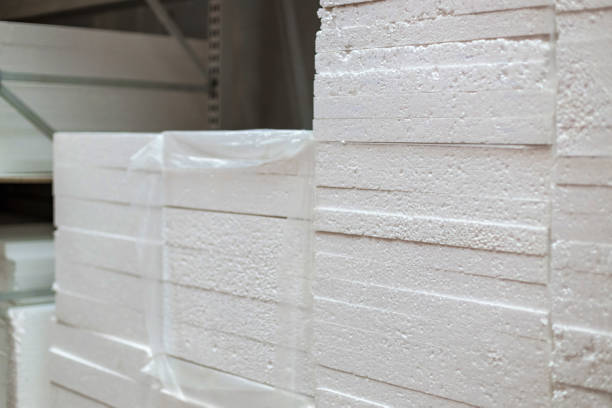
Polyethylene foam is a versatile material that has found its way into numerous industries due to its unique properties. Known for its durability, flexibility, and resilience, polyethylene foam is utilized in a broad range of applications, from packaging to insulation. This article aims to provide a comprehensive guide to understanding polyethylene foam, exploring its characteristics, benefits, and diverse uses.
What is Polyethylene Foam?
Polyethylene foam is a closed-cell foam, meaning its structure consists of tightly packed cells that trap air, giving it excellent cushioning and insulation properties. It is created through a process that expands polyethylene, a common polymer, into a foam structure. This transformation results in a material that is lightweight and highly resistant to moisture and chemicals.
Key Characteristics of Polyethylene Foam
- Lightweight: Its low density makes it easy to handle and transport.
- Durable: Resistant to wear and tear, ensuring a long lifespan.
- Moisture Resistant: Its closed-cell structure prevents water absorption, making it ideal for wet environments.
- Thermal Insulation: Provides excellent insulation capabilities, maintaining temperatures within enclosed spaces.
- Chemical Resistance: Withstands exposure to a range of chemicals, enhancing its durability in harsh conditions.
Common Uses of Polyethylene Foam
Polyethylene foam is utilized across various industries due to its adaptable nature. Below are some of the most common applications:
Packaging
One of the primary uses of polyethylene foam is in packaging. Its cushioning properties make it ideal for protecting delicate items during shipping. The foam absorbs shock, preventing damage from impact, and its moisture resistance guards against water-related damage.
Construction
In the construction sector, polyethylene foam sheets are often used for insulation and sealing. The foam helps maintain energy efficiency in buildings by reducing heat transfer, which can lead to significant energy savings over time.
Automotive Industry
The automotive industry benefits from the use of expanded polyethylene in vehicle interiors. It is used for soundproofing and thermal insulation, enhancing passenger comfort by reducing noise and maintaining cabin temperature.
Sports and Recreation
Sports equipment manufacturers use expanded polyethylene foam in products like yoga mats, protective gear, and flotation devices. The foam’s resilience and lightweight nature make it ideal for these applications, providing both safety and comfort.
Environmental Considerations
The production and disposal of polyethylene foam have environmental implications. However, advancements in recycling technologies have made it possible to repurpose the foam, reducing its environmental footprint. Additionally, the durability and reusability of polyethylene foam products contribute to sustainability by decreasing the need for frequent replacements.
Conclusion
Understanding the properties and applications of polyethylene foam can unlock numerous possibilities across various industries. Its unique characteristics such as moisture resistance, durability, and lightweight nature make it a valuable material for many applications. Whether in packaging, construction, or recreation, polyethylene foam continues to be a critical component in enhancing product performance and durability.