


Advanced Life Support: Elevating Medical Transport

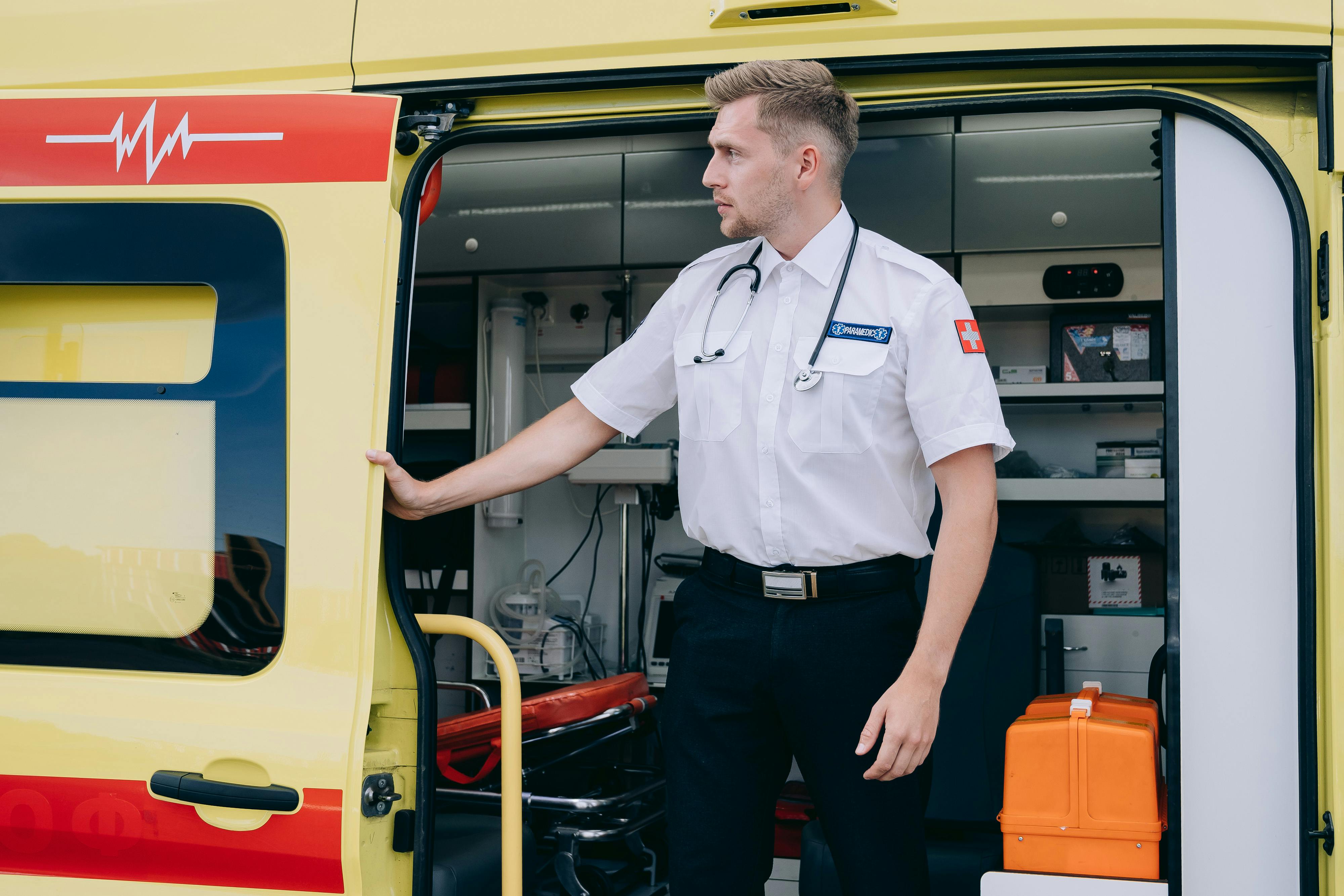
Advanced Life Support (ALS) plays a critical role in the medical transport sector, ensuring that patients receive comprehensive care during transit. This advanced level of medical intervention is essential for patients requiring a higher degree of medical attention, often due to complex and life-threatening conditions. The intricacies of ALS are embedded in its capacity to provide extensive medical procedures and monitoring, which distinguishes it from Basic Life Support (BLS). The growing demand for such specialized care during transport highlights the need for well-equipped teams and state-of-the-art technology to handle emergencies effectively.
The Importance of Advanced Life Support in Medical Transport
Advanced Life Support is integral to the medical transport ecosystem for several reasons:
- **Critical Care Capability**: ALS teams are equipped with the skills and tools necessary to manage cardiac, respiratory, and other severe medical emergencies during transit.
- **Medical Expertise**: The personnel involved in ALS are often highly trained paramedics or nurses capable of administering intravenous medications, performing advanced airway management, and interpreting electrocardiograms.
- **Comprehensive Monitoring**: Continuous monitoring of vital signs and the patient’s condition ensures timely medical interventions, which can be critical in saving lives.
- **Specialized Equipment**: ALS units are furnished with advanced medical equipment such as defibrillators, ventilators, and portable laboratories for blood analysis.
To delve deeper into the strategies and protocols involved in ALS, discover expert strategies here.
Essential Components of ALS Medical Transport
Highly Qualified Personnel
The effectiveness of ALS is largely dependent on the skill level of the medical team. Personnel are required to have extensive training and certifications, often including:
- Advanced Cardiac Life Support (ACLS) certification
- Prehospital Trauma Life Support (PHTLS) certification
- Continuous education in emergency medical procedures
Having such qualifications ensures that the team can handle complex scenarios, providing peace of mind to patients and their families. For more on the qualifications and training required, learn about our tailored solutions.
State-of-the-Art Equipment
ALS medical transport units are typically outfitted with sophisticated equipment that facilitates high-level care. This includes:
- Advanced airway management tools for critical respiratory support
- Cardiac monitors and defibrillators for managing cardiac events
- Portable ultrasound machines for diagnostic assessments
- Infusion pumps for precise medication administration
Such equipment empowers medical teams to perform intricate medical procedures seamlessly, even in a mobile environment. To explore more advanced guides and tips on ALS equipment, explore advanced guides and tips.
Challenges and Innovations in ALS Transport
While ALS provides unparalleled care, it is not without challenges:
- **Resource Management**: Ensuring that all necessary equipment is available and in working order requires meticulous planning and logistics.
- **Communication**: Effective communication between the transport team and the receiving facility is crucial for continuity of care.
- **Cost Implications**: The high cost of maintaining ALS capabilities can be a barrier, necessitating efficient resource allocation.
However, innovations in technology and process optimization continue to address these challenges. For instance, telemedicine is being integrated into ALS protocols, providing real-time consultations with specialists during transport. To find out more about this approach to overcoming ALS challenges, find out more about this approach.
In conclusion, Advanced Life Support in medical transport is an essential service that elevates the standard of emergency medical care. By equipping teams with the necessary skills and tools, and constantly innovating, the medical transport sector continues to provide critical support to patients in need. Understanding the dynamics of ALS, its requirements, and its impact on patient outcomes is essential for anyone involved in healthcare logistics and emergency services.