


Attic Mold Inspection: Finding and Treating the Problem

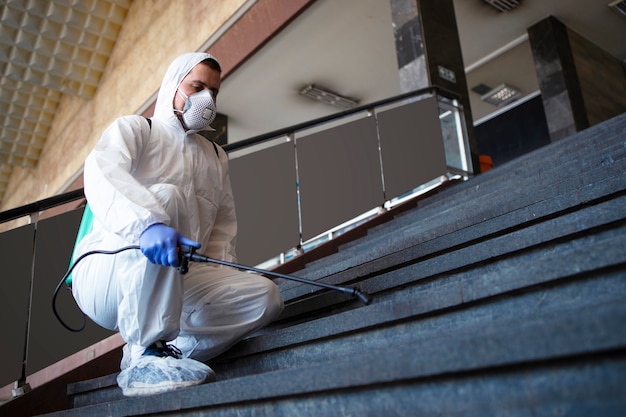
Mold infestation in the attic can pose significant health risks and structural concerns if not addressed promptly. The attic, often overlooked, provides the perfect environment for mold to thrive due to its darkness and potential for moisture accumulation. Conducting regular attic mold inspections is crucial for maintaining a healthy home environment. Understanding the signs, causes, and remediation strategies can help homeowners manage this common problem effectively.
Identifying Signs of Mold in the Attic
Being proactive in identifying mold signs can save time and resources. Key indicators of mold presence include:
- Musty Odor: A persistent, earthy smell often indicates mold growth.
- Visible Spots: Black, green, or white spots on walls, ceilings, or insulation.
- Wood Rot: Mold can cause wood to deteriorate, affecting structural integrity.
- Allergic Reactions: Frequent sneezing or respiratory issues when in the attic.
For comprehensive steps on identifying these signs, discover expert strategies here.
Common Causes of Attic Mold
Understanding what contributes to mold growth in the attic is essential for prevention. Common causes include:
- Poor Ventilation: Insufficient airflow can trap moisture, creating an ideal environment for mold.
- Roof Leaks: Water from leaks can seep into the attic, leading to mold growth.
- Improper Insulation: Inadequate or damaged insulation can lead to condensation and moisture build-up.
- Humidity: High humidity levels in the attic exacerbate mold growth.
To learn more about tailored solutions for these issues, learn about our tailored solutions.
Inspection and Testing Methods
Visual Inspection
An initial visual inspection can help locate mold hotspots. Checking all corners, beams, and insulation for signs of mold is vital. During this inspection, pay close attention to any water stains or discoloration.
Professional Mold Testing
For a thorough assessment, professional mold testing is recommended. This process involves air quality tests and surface sampling to detect mold spores. Professional testing provides clarity on the type and extent of mold, facilitating tailored remediation efforts.
Explore advanced guides and tips for professional testing here.
Effective Mold Treatment and Remediation
Once mold is confirmed, immediate treatment is crucial. Key steps in remediation include:
- Identify and Fix Moisture Sources: Addressing leaks or improving ventilation reduces future mold risks.
- Remove Affected Materials: Severely infested materials, such as insulation or wood, may need to be removed and replaced.
- Use Mold Inhibitors: Applying specific solutions can prevent mold regrowth.
- Professional Remediation Services: Engaging professionals ensures comprehensive mold removal and prevention strategies.
Find out more about this approach to attic mold remediation here.
Preventive Measures
To prevent future mold growth, consider the following strategies:
- Enhance Ventilation: Installing attic fans or vents can help maintain airflow.
- Regular Maintenance: Conduct periodic roof inspections to prevent leaks.
- Control Humidity: Use dehumidifiers to keep attic humidity levels in check.
- Monitor Insulation: Ensure proper insulation to prevent condensation.
Regular attic inspections, along with effective moisture control, are essential in preventing mold issues from escalating. For more detailed guidance on preventing mold, consider exploring professional resources and services tailored to attic mold management.