


Avoid Costly Repairs: How Regular Septic Home Inspections Can Save You Money

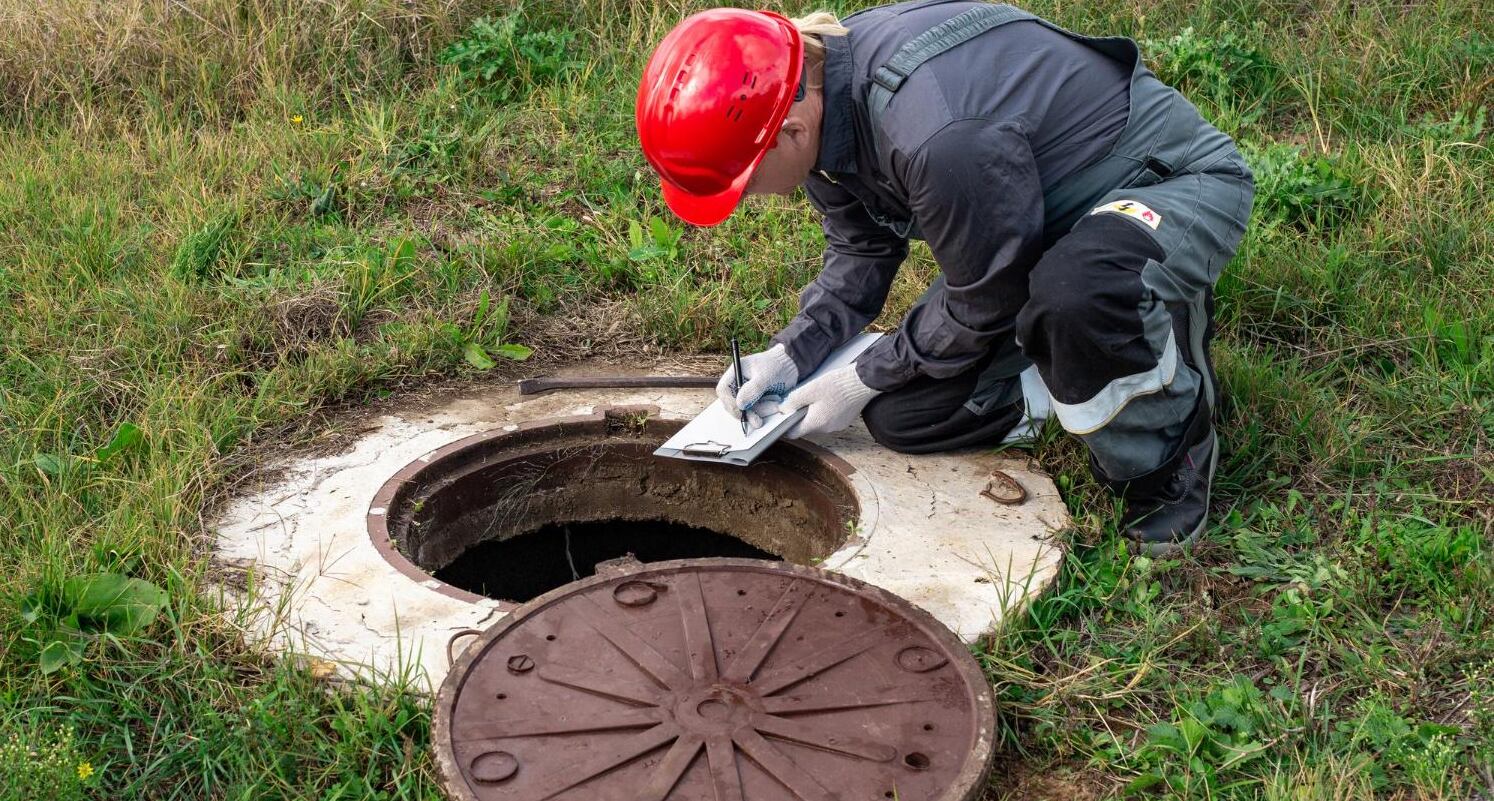
Septic systems are an essential component of many homes, particularly in rural areas. However, they are often overlooked until problems arise. Regular septic home inspections can play a crucial role in maintaining the efficiency and longevity of these systems. Not only do these inspections help in averting potential disasters, but they can also save homeowners a significant amount of money in the long run. Understanding the importance of these inspections and how they work can aid homeowners in making informed decisions regarding their septic systems.
Understanding Septic System Inspections
Septic inspections are a preventative measure to identify potential issues before they escalate into costly repairs. A thorough inspection involves checking various components of the system, including the tank, drain field, and connecting pipes.
Key Components of a Septic Inspection
- Tank inspection: The inspector checks for cracks, leaks, or any signs of wear and tear that could lead to malfunctions.
- Drain field evaluation: This involves checking the soil absorption area for signs of saturation or obstruction.
- Pipe assessment: Ensuring that all pipes are intact and not blocked is crucial for the system’s functionality.
For more information on what a septic home inspection entails, consider consulting resources like septic home inspection.
Benefits of Regular Septic Inspections
Cost Savings
Regular inspections can help detect minor issues before they become major problems. By addressing these concerns early, homeowners can avoid costly repairs or even complete system replacements. A small investment in routine inspections can lead to substantial savings over time.
Increased System Longevity
By ensuring that the septic system is functioning correctly, regular inspections can significantly extend its lifespan. This means less frequent replacements and repairs, which is a major advantage for homeowners looking to maintain their property efficiently.
Environmental Protection
Properly functioning septic systems prevent contamination of groundwater and nearby water sources, protecting the environment. Regular inspections ensure that the system is not leaking harmful substances into the surrounding area, preserving the local ecosystem.
When to Schedule Inspections
It is generally recommended that septic systems be inspected every three to five years. However, this can vary based on several factors:
- System age: Older systems may require more frequent inspections.
- Usage patterns: Larger households or increased water usage can necessitate more regular checks.
- Soil conditions: Areas with poor drainage or certain soil types may require more attention.
Homeowners can also benefit from professional advice on the optimal schedule for their specific system.
How to Choose a Reliable Septic Inspector
Selecting a qualified inspector is crucial for accurate and thorough assessments. Consider the following tips when choosing a professional:
- Look for certified professionals with a solid reputation in the industry.
- Check online reviews to gauge customer satisfaction. See what others are saying about us.
- Ensure the inspector provides a detailed report and explains the findings clearly.
Conclusion
Regular septic home inspections are an investment in the long-term health of a home?s septic system. By identifying potential problems early, these inspections can save significant costs and extend the lifespan of the system. Homeowners should consider scheduling regular inspections and choosing qualified professionals to ensure their septic systems remain in top condition. For those interested in a deeper understanding of the inspection process, resources such as septic home inspection offer valuable insights.