


Commercial Pest Management Strategies

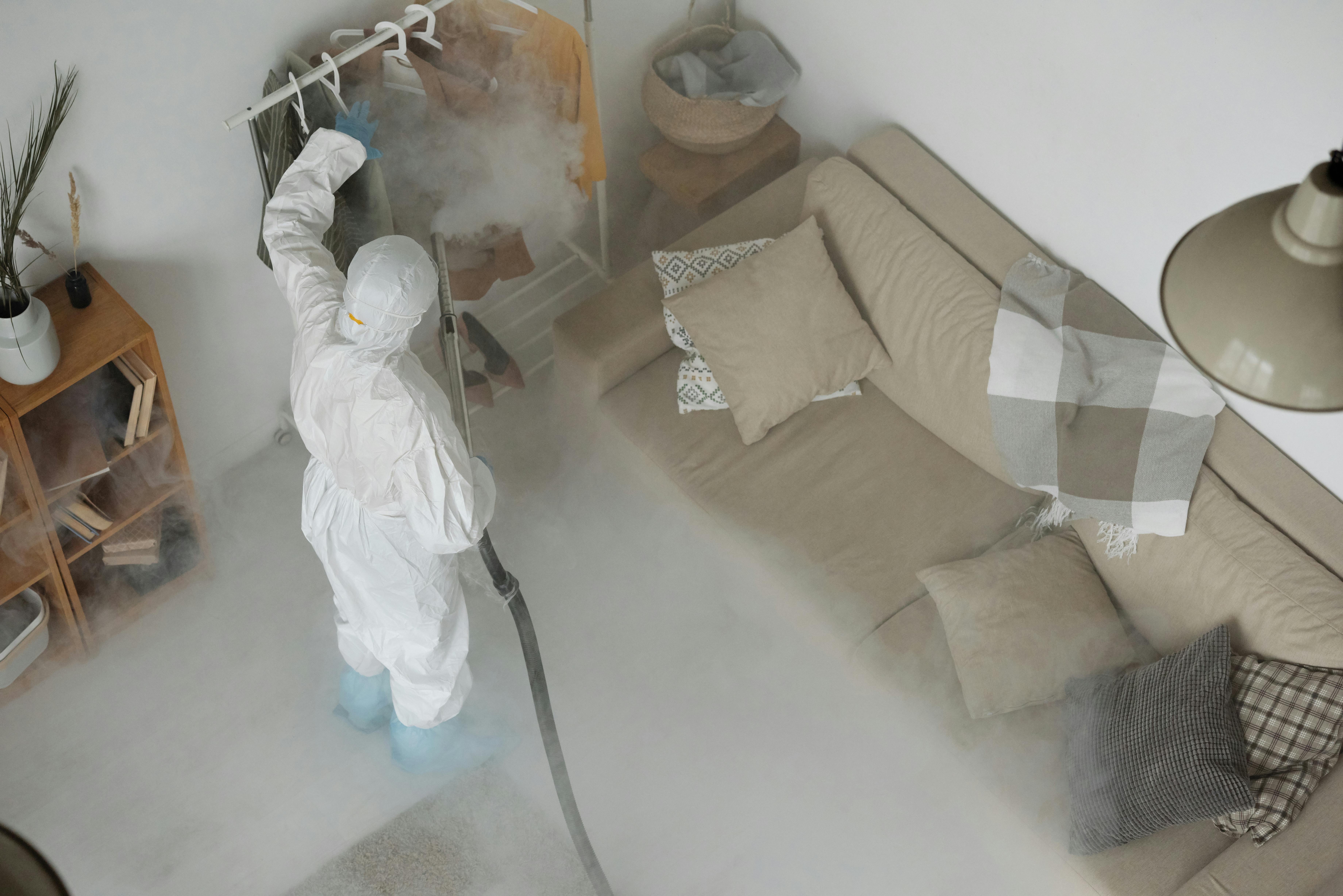
In the competitive world of business, maintaining a pristine environment is crucial. Pest infestations can undermine a company’s reputation, disrupt operations, and incur significant costs. Therefore, implementing effective commercial pest management strategies is essential for any business that values its integrity and operational efficiency. Such strategies not only focus on eliminating pests but also on long-term prevention and sustainability. Businesses can leverage professional insights and holistic approaches to ensure a pest-free environment.
Understanding Commercial Pest Management
Commercial pest management involves a comprehensive approach tailored to the specific needs of a business. It is crucial to recognize the unique challenges presented by different industries and environments. Effective strategies are built on a foundation of understanding pest behavior, the vulnerabilities of the property, and the specific operational needs of the business. Discover expert strategies here.
Key Elements of a Successful Pest Management Plan
- Assessment and Inspection: Conduct thorough inspections to identify current infestations and potential vulnerabilities.
- Customized Solutions: Develop tailored strategies that address the specific pest challenges of the business. Learn about our tailored solutions.
- Implementation: Apply effective and environmentally responsible pest control methods.
- Monitoring and Maintenance: Regularly monitor the premises and adjust strategies as needed to ensure long-term success.
- Documentation and Reporting: Maintain detailed records of pest control activities and outcomes to track progress and facilitate continuous improvement.
Integrated Pest Management (IPM) Approach
Integrated Pest Management (IPM) is a holistic strategy that combines multiple methods to manage pests effectively and sustainably. This approach minimizes the use of harmful chemicals while focusing on long-term prevention. IPM involves:
- Biological Controls: Use natural predators or parasites to control pest populations.
- Mechanical Controls: Implement physical barriers and traps to prevent pest entry and reduce populations.
- Cultural Controls: Change farming or operational practices to reduce pest attraction and survival.
- Chemical Controls: Use pesticides as a last resort, ensuring they are applied safely and effectively.
To learn more about how IPM can benefit your business, explore advanced guides and tips.
Benefits of Professional Pest Management Services
Partnering with professional pest management services offers numerous advantages, including:
- Expertise and Experience: Access to trained technicians with the knowledge to handle complex pest issues.
- Advanced Techniques: Utilization of the latest technology and methods for efficient pest control.
- Regulatory Compliance: Assurance that pest management practices comply with local regulations and industry standards. Find out more about this approach.
- Peace of Mind: Confidence that the business environment remains safe and pest-free.
Conclusion
Implementing a robust commercial pest management strategy is a vital component of maintaining a clean, safe, and professional business environment. By understanding the complexities of pest management and utilizing integrated approaches, businesses can safeguard their operations and reputation. For those seeking to enhance their pest management practices, exploring professional resources and guidance can provide the necessary insights and solutions. Discover expert strategies here.