


Comparing Top Energy Supplements with Vitamins for Energy for Optimal Results

In the quest for sustained vitality, many turn to supplements that promise an extra boost of energy. While caffeine-laden drinks and stimulant blends dominate the market, a growing body of research highlights the synergistic power of vitamins when paired with targeted energy compounds. Understanding how these ingredients interact can help individuals select products that deliver consistent performance without the crash often associated with high-dose stimulants. This article examines the most popular energy-focused supplements, compares them to vitamin-based approaches, and outlines how a balanced regimen can optimize both mental clarity and physical endurance.
Key Categories of Energy Supplements
Stimulant-Based Formulas
- Caffeine + Taurine – Common in pre-workout powders; provides rapid alertness but may cause jitteriness.
- Yohimbine & Synephrine – Often marketed for fat loss and energy; can elevate heart rate and blood pressure.
- Guarana Extract – A natural source of caffeine that extends the duration of the energy spike.
Adaptogen-Enriched Blends
- Rhodiola Rosea – Helps the body adapt to stress, supporting sustained mental stamina.
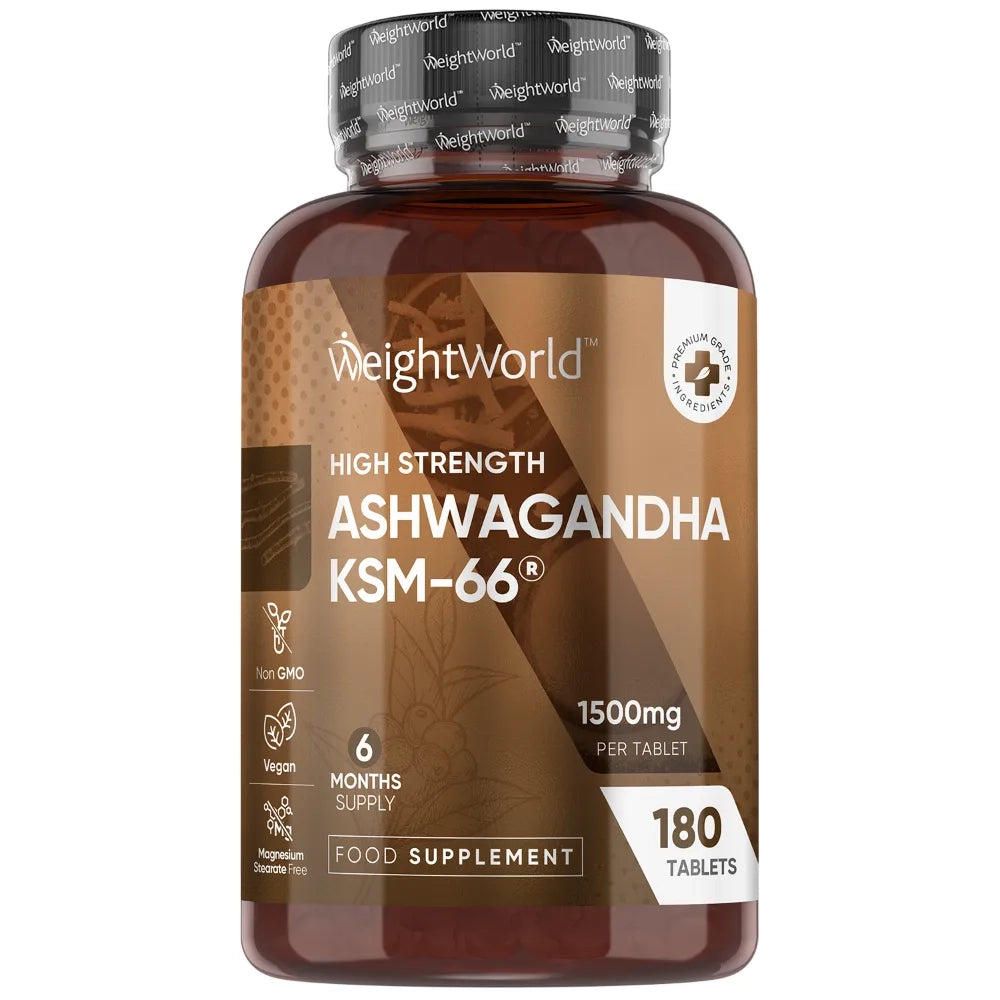
- Ashwagandha – Balances cortisol levels, reducing fatigue during prolonged tasks.
- Eleuthero (Siberian Ginseng) – Enhances endurance without the sharp spike of stimulants.
Vitamin-Centric Energy Support
- Vitamin B Complex (B1, B2, B3, B5, B6, B12) – Essential cofactors in cellular energy production (ATP synthesis).
- Vitamin C – Antioxidant that protects mitochondria during oxidative stress.
- Vitamin D & Magnesium – Support muscle function and prevent fatigue caused by deficiency.
Comparative Analysis: Stimulants vs. Vitamins
When evaluating energy supplements, two primary dimensions emerge: immediate impact and long-term sustainability. Stimulant-based products deliver a quick surge in alertness, ideal for short bursts such as an intense workout or a tight deadline. However, they can also trigger a rebound fatigue once the active compounds wear off. Vitamin-centric formulas, by contrast, work at the cellular level to improve the efficiency of energy conversion, offering a steadier, more reliable output over the course of the day.
Pros and Cons
| Aspect | Stimulant-Based | Vitamin-Based |
|---|---|---|
| Onset | 5-15 minutes | 30-60 minutes |
| Duration | 2-4 hours | 4-8+ hours |
| Potential Side Effects | Jitters, increased heart rate, crash | Rare; may include mild gastrointestinal upset if taken in excess |
| Adaptability | Effective for acute performance spikes | Supports overall health, reduces cumulative fatigue |
Integrating Vitamins with Energy Boosters for Optimal Results
Rather than choosing one approach over the other, many athletes and professionals benefit from a hybrid strategy that pairs a modest stimulant dose with a robust vitamin foundation. This combination can mitigate the downsides of pure stimulants while still delivering the desired alertness.
Practical Recommendations
- Start with a high-quality B-complex supplement to ensure the metabolic pathways for ATP production are fully supported.
- Incorporate adaptogens such as Rhodiola or Ashwagandha on days when mental stamina is critical.
- Use a low-dose caffeine source (e.g., 100″?mg from green tea extract) alongside the vitamin stack to achieve a gentle lift without a harsh crash.
- Maintain adequate hydration and electrolytes, magnesium and potassium are crucial for preventing post-exercise fatigue.
For a curated selection of blends that follow this balanced philosophy, Discover expert strategies here. The range includes products that pair natural caffeine with comprehensive vitamin complexes, aligning with the principles outlined above.
Choosing the Right Product: What to Look For
When evaluating options on the market, consider the following criteria to ensure both safety and efficacy:
- Transparent Labeling – Full ingredient list with exact dosages.
- Third-Party Testing – Certification from independent labs (e.g., NSF, Informed-Sport).
- Synergistic Formulation – Presence of B-vitamins, magnesium, and adaptogens alongside any stimulant.
- Dosage Guidance – Clear instructions for cycling stimulants to avoid tolerance buildup.
Retailers that prioritize these standards often provide additional educational resources. For instance, Learn about our tailored solutions that include detailed usage guides and FAQs.
Potential Risks and How to Mitigate Them
Even well-formulated supplements can pose risks if misused. Common pitfalls include:
- Exceeding the recommended caffeine limit (generally < 400"?mg per day for most adults).
- Neglecting baseline nutrient status, deficiencies in B-vitamins or magnesium can blunt the effectiveness of any energy formula.
- Combining multiple stimulant sources (e.g., coffee + pre-workout) leading to overstimulation.
To reduce these hazards, conduct a simple blood panel to verify vitamin levels, and consider rotating stimulant-heavy products with vitamin-focused days. Detailed guidance on safe cycling can be found at Explore advanced guides and tips.
Conclusion: A Balanced Path to Sustained Energy
Optimal energy performance stems from a harmonious blend of immediate stimulatory support and long-term nutritional foundation. By selecting products that combine modest caffeine or other mild stimulants with a comprehensive suite of B-vitamins, adaptogens, and essential minerals, individuals can experience heightened focus and endurance while minimizing the typical crash associated with high-dose stimulant use. Ongoing research continues to validate this integrative approach, making it a reliable choice for athletes, busy professionals, and anyone seeking consistent vitality throughout the day.
For a deeper dive into scientifically backed formulations and to explore a curated collection that embodies this balanced philosophy, Find out more about this approach. Embracing a well-rounded supplement regimen not only fuels performance but also supports overall health, a win-win for long-term success.