


Enhance Your Garden with Quality Buy Hedge Plants

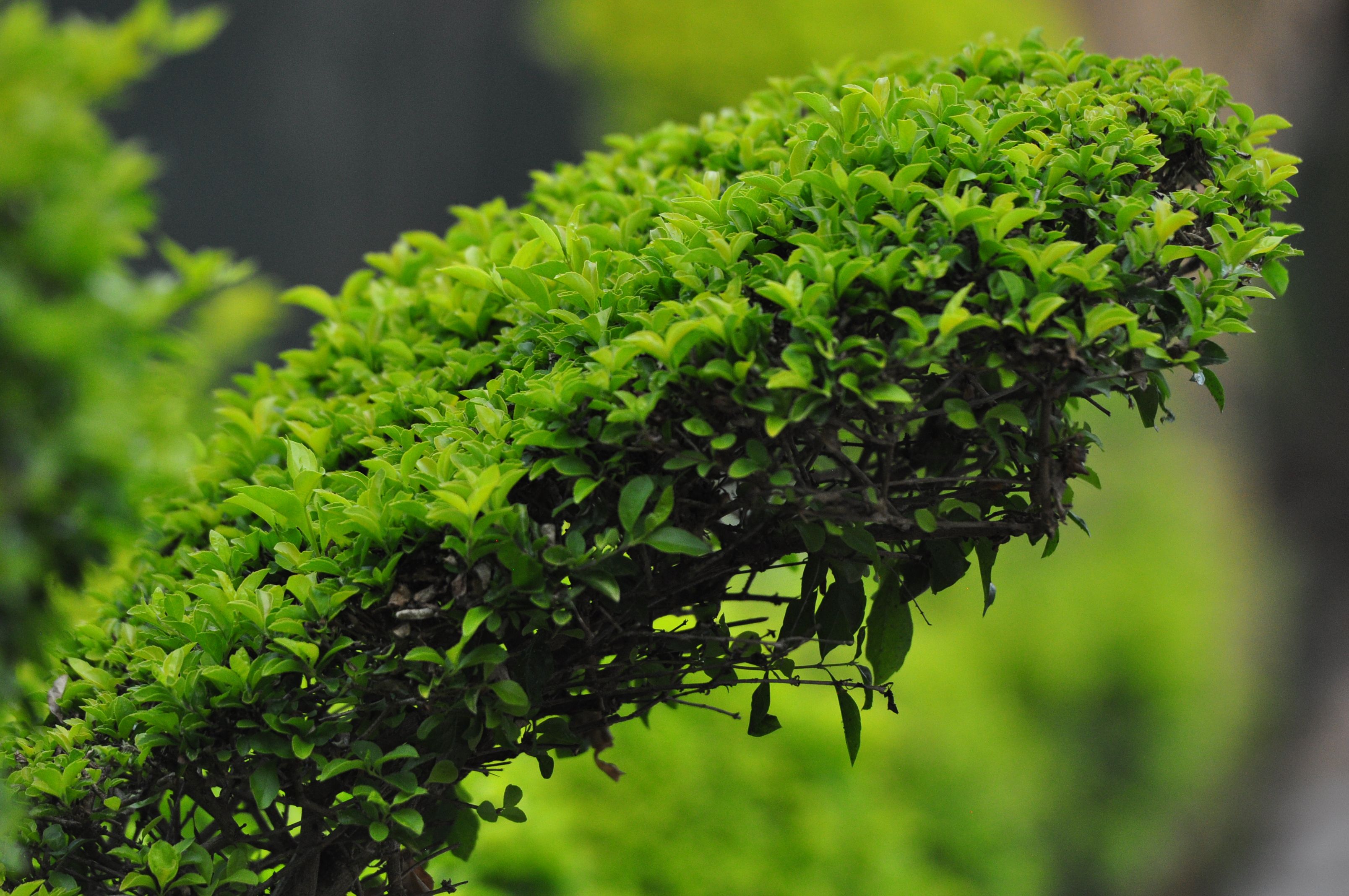
Creating an appealing and functional garden space involves selecting the right plants. Hedge plants are an excellent choice for enhancing both the aesthetic and practical aspects of a garden. They serve multiple purposes, such as providing privacy, reducing noise, and acting as windbreaks. Additionally, they can offer a habitat for wildlife, contribute to the ecosystem, and increase property value. Choosing quality hedge plants is crucial to ensure that the garden remains vibrant and healthy throughout the seasons. This article explores the benefits of hedge plants, tips for selection, planting methods, and maintenance strategies.
Benefits of Hedge Plants
Hedge plants are more than just garden fillers; they bring a host of benefits that can transform a garden space into a lush, private, and sustainable environment.
- Privacy and Security: Hedge plants create natural barriers that enhance privacy and security without the need for artificial fencing.
- Environmental Impact: They contribute to air purification by absorbing pollutants and releasing oxygen, supporting a healthier living environment.
- Biodiversity: Hedges provide habitats for birds, insects, and small mammals, promoting biodiversity in your garden.
- Climate Control: By acting as windbreaks, they help in moderating temperature and protecting delicate plants from harsh weather conditions.
For an in-depth understanding of these benefits, read more about this topic.
Selecting the Right Hedge Plants
Choosing the right hedge plants depends on several factors, including climate, soil type, and the specific needs of your garden. Consider the following when selecting hedge plants:
Climate Compatibility
It’s essential to choose plants that are well-suited to the local climate. Native species are often a good choice as they are adapted to the local conditions and require less maintenance. Learn more in this detailed guide about selecting climate-compatible plants.
Purpose and Aesthetics
- Privacy Hedges: For privacy, opt for dense, evergreen species that maintain their foliage year-round.
- Decorative Hedges: If aesthetics are a priority, consider flowering or colorful foliage varieties.
- Wildlife-Friendly Hedges: Choose species that produce berries or flowers to attract wildlife.
Planting and Maintenance Tips
Proper planting and maintenance are key to ensuring that hedge plants thrive. Here are some tips to consider:
Planting Techniques
- Soil Preparation: Ensure the soil is well-drained and nutrient-rich. Adding compost can improve soil quality.
- Spacing and Depth: Plant hedges at appropriate distances to allow growth and avoid crowding. The depth should accommodate the root ball comfortably.
- Watering: Regular watering is crucial, especially during the initial establishment phase.
To explore further insights on planting techniques, explore further insights here.
Maintenance Practices
- Regular Pruning: Pruning helps maintain the shape and encourages healthy growth. It is best done during the dormant season.
- Pest and Disease Control: Regular monitoring and appropriate pest control measures can prevent infestations.
- Fertilization: Periodic fertilization provides essential nutrients, promoting vigorous growth.
Find additional information about maintenance practices here.
Conclusion
Incorporating quality hedge plants into a garden can significantly enhance its functionality and beauty. From providing privacy to supporting local wildlife, hedge plants are a versatile and valuable addition to any garden. By selecting the right species, employing proper planting techniques, and maintaining them diligently, gardeners can enjoy a thriving and sustainable outdoor space. For a comprehensive guide to selecting and caring for hedges, visit this resource.