


Essential Tips for Foundation Wall Crack Injection Repair

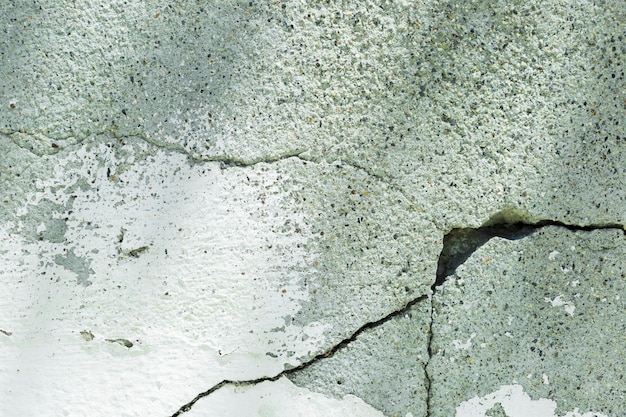
Foundation wall crack injection repair is a vital procedure for maintaining the structural integrity of buildings. Cracks in foundation walls can lead to serious issues if not addressed promptly. Water seepage, mold growth, and even structural failure are potential risks associated with untreated cracks. This article offers essential tips for effectively managing and repairing such damages. By employing the right techniques, you can ensure the longevity and safety of your structure. Understanding the process and engaging with expert advice can make a significant difference in the outcome of repair work. For more specialized insights, explore advanced guides and tips from experts in the field.
Understanding the Cause of Foundation Wall Cracks
Before initiating any repair, it is crucial to understand the root cause of the cracks. Foundation wall cracks can result from various factors, including:
- Soil Movement: Expansive soils that shrink or swell with moisture changes can exert pressure on foundations.
- Hydrostatic Pressure: Accumulation of water around the foundation creates pressure that may lead to cracks.
- Temperature Fluctuations: Extreme temperature changes can cause expansion and contraction of building materials.
- Poor Construction Practices: Inadequate reinforcement or poor-quality concrete may contribute to structural weaknesses.
Identifying the cause is essential for choosing the appropriate repair method. Discover expert strategies here for assessing foundation damage.
Choosing the Right Repair Material
The choice of repair material plays a crucial role in the success of the crack injection process. Some common materials include:
- Epoxy: Suitable for structural repairs as it bonds well with concrete and restores strength.
- Polyurethane Foam: Ideal for sealing water leaks as it expands to fill voids.
- Hydraulic Cement: Used for quick patching of non-structural cracks.
Selecting the correct material depends on the nature of the crack and the underlying issue. Find out more about this approach to ensure effective repairs.
Steps for Successful Crack Injection Repair
Preparation
Proper preparation is vital for the success of any crack injection repair. Begin by cleaning the crack to remove debris, dirt, and old sealants. This ensures a clean surface for the bonding agent.
Injection Process
Follow these steps for a systematic injection repair:
- Seal the Surface: Use a surface sealer to cover the crack and hold the injection ports in place.
- Install Injection Ports: Place ports along the crack at regular intervals to facilitate the flow of the repair material.
- Inject the Repair Material: Use a specialist gun to inject the chosen material into the ports, starting from the lowest point.
- Cure and Finish: Allow the material to cure fully before removing the ports and surface sealer.
For detailed guidance on the crack injection process, Learn about our tailored solutions.
Professional Help and Customer Feedback
While DIY solutions exist, engaging a professional can provide peace of mind and ensure the job is done correctly. Professionals have the experience and tools necessary for more complex repairs. Explore advanced guides and tips from industry experts.
For those considering professional services, customer feedback is invaluable. Check out customer reviews here to see what others are saying about their experiences.
In conclusion, addressing foundation wall cracks promptly and correctly is essential for maintaining structural integrity. By understanding the causes, choosing the right materials, and following a systematic approach, effective repairs can be achieved. Whether opting for professional services or a DIY approach, informed decisions will lead to better outcomes.