


Expert Advice on Wisdom Teeth Extraction by Dentists

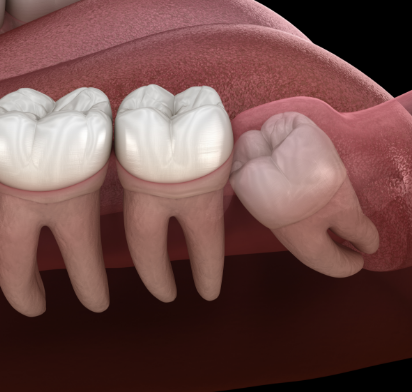
Wisdom teeth extraction is a common dental procedure that many individuals undergo during their late teens or early adulthood. Despite its prevalence, the decision to remove wisdom teeth can be daunting for many patients. Concerns about pain, recovery time, and potential complications often cloud the decision-making process. Understanding the nuances of wisdom teeth extraction, including the reasons for the procedure and the recovery process, can alleviate anxiety and lead to better outcomes. Dentists frequently emphasize the importance of addressing wisdom teeth issues promptly to prevent future oral health challenges.
Why Wisdom Teeth Extraction is Necessary
Wisdom teeth are the third set of molars that typically appear between the ages of 17 and 25. While some individuals have sufficient space in their mouths to accommodate these additional molars, many do not, leading to potential complications. Here are some reasons why extraction may be necessary:
- Impaction: Wisdom teeth can become trapped beneath the gums, leading to pain and swelling.
- Misalignment: Improperly aligned wisdom teeth can push against other teeth, disrupting the natural alignment.
- Decay and Gum Disease: Due to their location, wisdom teeth are prone to cavities and gum infections.
- Cysts: The development of cysts around the impacted teeth can damage the jawbone and surrounding teeth.
For a comprehensive understanding of the reasons behind wisdom teeth extraction, explore advanced guides and tips.
Preparing for Wisdom Teeth Extraction
Proper preparation for wisdom teeth extraction can significantly impact the success of the procedure and the speed of recovery. Here are some expert recommendations:
- Consultation: Schedule a consultation with a dental professional to assess the condition of the wisdom teeth and plan the extraction.
- Medical History: Share your complete medical history, including any medications or allergies, with your dentist.
- Pre-Surgery Instructions: Follow any pre-surgery guidelines provided by the dental office, such as fasting or avoiding certain medications.
To learn about tailored solutions for preparing for the procedure, find out more about this approach.
The Extraction Procedure
Understanding the Process
The extraction process is typically performed under local anesthesia, sedation, or general anesthesia, depending on the complexity of the case. The dentist will make an incision in the gum tissue to expose the tooth and bone, then remove any bone that blocks access to the tooth root. After the tooth is removed, the site is cleaned, and stitches may be used to close the incision.
Post-Extraction Care
Following the procedure, adhering to post-operative care instructions is crucial for a smooth recovery:
- Pain Management: Use prescribed pain relievers to manage discomfort.
- Ice Packs: Apply ice packs to reduce swelling in the first 24 hours.
- Diet: Stick to soft foods and avoid using straws to prevent dislodging the blood clot.
- Oral Hygiene: Maintain oral hygiene by gently rinsing the mouth and avoiding brushing near the extraction site.
To discover expert strategies here on managing post-extraction care effectively.
Potential Complications and How to Address Them
While wisdom teeth extraction is generally a safe procedure, potential complications can occur. Being aware of these and knowing how to address them can aid in prompt recovery:
- Dry Socket: A painful condition where the blood clot becomes dislodged. It can be managed with medicated dressings.
- Infection: Signs include fever and swelling. Antibiotics may be prescribed if an infection develops.
- Nerve Injury: Rare instances of nerve damage can occur, causing numbness. This usually resolves over time.
For more information on handling such complications, learn about our tailored solutions.
Understanding the intricacies of wisdom teeth extraction can empower individuals to make informed decisions. By preparing adequately, adhering to post-operative care, and recognizing potential complications, a smoother path to recovery is achievable. For further guidance and detailed information, explore advanced guides and tips from trusted dental sources.