


Exploring the World of Movement with Infant Dance Classes

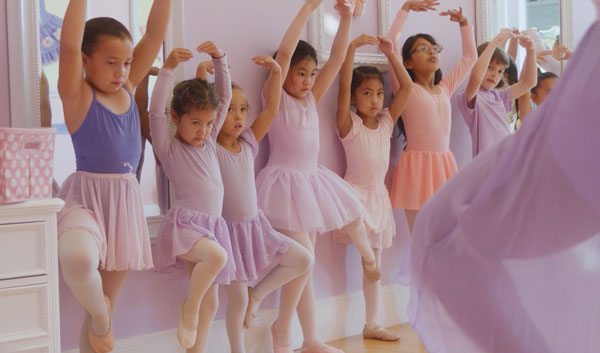
In a world where structured activities for infants are becoming increasingly popular, dance classes for babies are making a notable entry. These classes not only provide a joyful bonding experience between parent and child but also contribute significantly to the overall development of infants. By introducing movement at a young age, these classes can aid in motor skills development, cognitive growth, and social interaction. This article explores the fascinating world of infant dance classes, highlighting their benefits and what to expect from such programs.
The Benefits of Infant Dance Classes
Enrolling infants in dance classes can have a multitude of benefits. Here are some key advantages:
- Physical Development: Dance encourages movement, which helps in developing gross motor skills. Infants learn to control their bodies better, improving balance and coordination.
- Cognitive Growth: Learning dance routines stimulates brain activity, enhancing memory and concentration.
- Emotional Well-being: Dance provides an outlet for expression, helping infants to explore emotions and develop self-confidence.
- Social Skills: Participating in a group setting allows infants to interact with peers, fostering social connections and teamwork.
For parents looking to understand more about how these classes can benefit their child’s development, read more about this topic.
What to Expect in an Infant Dance Class
Structure and Environment
Infant dance classes are designed to be engaging and supportive, providing a safe environment for exploration and growth. Typical classes might include:
- Warm-Up Activities: Gentle stretching and playful movements to prepare the infants for the class.
- Music and Rhythm Exploration: Music is a core component, with activities centered around rhythm to develop auditory skills.
- Interactive Dance Games: Simple games that involve basic dance steps, promoting interaction and cooperation.
- Free Movement Sessions: Time allocated for spontaneous movement, allowing infants to express themselves freely.
Parents interested in specific class structures can learn more in this detailed guide.
Parental Involvement
Parents often play an integral role in infant dance classes. Their participation can include:
- Assisting with Movements: Helping infants with certain movements and ensuring their safety during the class.
- Encouraging Participation: Motivating infants to engage in activities and enjoy the process.
- Observing and Supporting: Being present to offer emotional support and encouragement.
For more on how parents can enhance their child’s experience in dance classes, explore further insights here.
Choosing the Right Dance Class
When selecting a dance class for infants, consider the following factors to ensure a positive and enriching experience:
- Qualified Instructors: Look for classes led by experienced and certified instructors who understand child development.
- Age-Appropriate Activities: Ensure the activities are suitable for the child’s age and developmental stage.
- Class Size: Smaller class sizes often allow for more personalized attention and a safer environment.
- Location and Convenience: Choose a location that is convenient, making it easier to commit to regular attendance.
For additional tips on selecting the best class for your infant, find additional information here.
In conclusion, infant dance classes offer a unique blend of fun and developmental benefits. These classes can help lay a strong foundation for a child’s physical, cognitive, and social growth, providing them with skills that will benefit them throughout their lives. Whether you seek to enrich your infant’s life through movement or are simply looking for a fun activity to do together, dance classes could be a perfect choice.