


Halal Omega 3: What You Need to Know

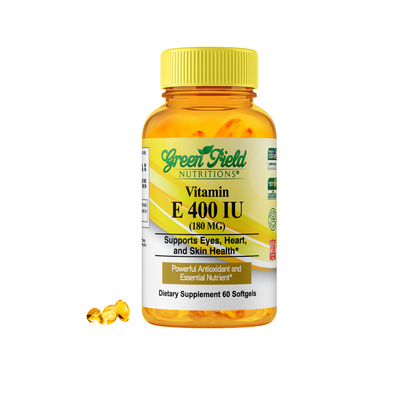
Omega 3 fatty acids are essential nutrients that are vital for maintaining optimal health. Derived primarily from fish and seafood, their benefits include supporting heart health, brain function, and reducing inflammation. However, for those adhering to dietary laws and seeking Halal-certified products, the challenge is ensuring these omega 3 supplements meet specific religious and ethical standards. This article explores the nuances of Halal Omega 3 supplements, providing clarity for consumers looking to make informed decisions.
Understanding Halal Omega 3
The term ‘Halal’ refers to what is permissible under Islamic law, and this applies to a wide range of products, including dietary supplements. For omega 3 supplements to be deemed Halal, they must adhere to specific criteria:
- Sourced from Halal-certified fish species.
- Processed without the use of alcohol or non-Halal animal derivatives.
- Manufactured in facilities that prevent contamination from non-Halal substances.
Health Benefits of Omega 3
Omega 3 fatty acids are celebrated for their significant health benefits. These include:
- Cardiovascular Health: Omega 3s help reduce triglyceride levels, lower blood pressure, and improve overall heart function.
- Brain Function: Essential for cognitive function, omega 3s are linked to improved memory and reduced risk of Alzheimer’s disease.
- Anti-Inflammatory Properties: Effective in reducing inflammation, these fatty acids can help manage conditions like arthritis.
For more information on other beneficial supplements, you may consider Halal Multivitamin options.
Choosing the Right Halal Omega 3 Supplement
Factors to Consider
When selecting a Halal omega 3 supplement, consider the following:
- Certification: Ensure the product has a Halal certification from a recognized body.
- Source: Verify if the omega 3 is derived from fish or plant sources like flaxseed or algae, which can be suitable alternatives.
- Purity and Potency: Check for third-party testing to confirm the absence of contaminants and ensure the supplement?s potency.
Many consumers also explore other Halal Supplements to complement their intake of essential nutrients.
Integrating Omega 3 into a Balanced Diet
For those committed to a balanced diet, incorporating omega 3 is essential. It is advisable to:
- Consume a variety of omega 3-rich foods such as salmon, walnuts, and chia seeds.
- Consider supplements like Halal Fish Oil for concentrated doses, especially if dietary intake is insufficient.
- Pair with other beneficial nutrients like Halal Vitamin D3 for enhanced absorption and health benefits.
Conclusion
Understanding the importance of Halal certification in omega 3 supplements is crucial for those following dietary laws. By choosing the right products, individuals can ensure they are not only enhancing their health but also adhering to their religious beliefs. With a range of Halal Vitamins available, from omega 3 to Halal Gummy Vitamins, consumers have options that align with both their health goals and ethical standards.