


Harness the Power of Home Solar Systems

As the world continues to grapple with the challenges of climate change and energy sustainability, more homeowners are considering the transition to solar energy. Installing home solar systems has become a viable option for many, offering numerous benefits that extend beyond just reducing electricity bills. This article explores the advantages of home solar systems, the components involved, and practical steps for homeowners to consider when embarking on the solar journey.
The Benefits of Home Solar Systems
Home solar systems present a multitude of advantages that make them an attractive option for sustainable living. Here are some key benefits:
- Environmental Impact: Solar power is a clean, renewable source of energy that significantly reduces carbon footprint.
- Cost Savings: Over time, solar panels can lead to substantial savings on electricity bills, potentially lowering monthly utility costs.
- Energy Independence: By harnessing solar power, homeowners can reduce their reliance on conventional energy sources.
- Increased Property Value: Homes equipped with solar systems often have higher market values and appeal to environmentally conscious buyers.
For those interested in understanding more about the environmental and financial benefits of solar energy, read more about this topic.
Components of a Home Solar System
A home solar system comprises several key components, each playing a vital role in converting sunlight into usable electricity:
Solar Panels
These are the most visible part of a solar system, responsible for capturing sunlight and converting it into direct current (DC) electricity. Solar panels are typically installed on rooftops to maximize exposure to sunlight.
Inverter
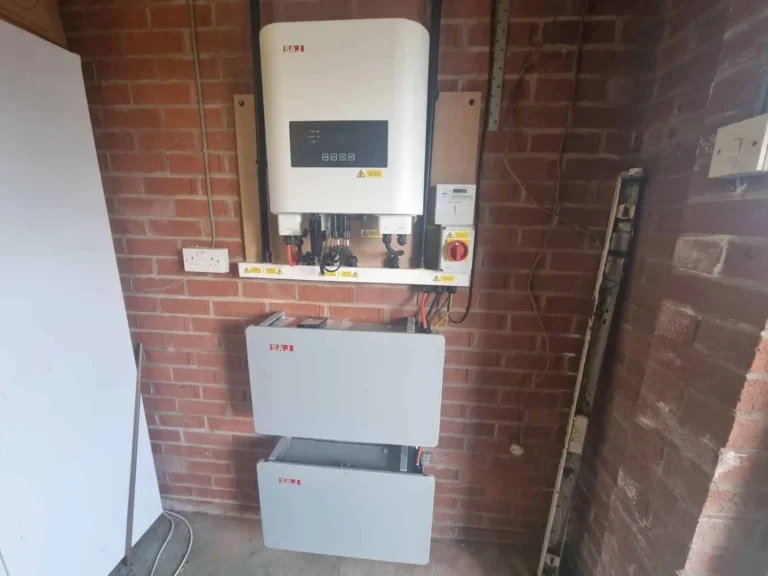
The inverter is a critical component that converts the DC electricity generated by solar panels into alternating current (AC) electricity, which is used by household appliances.
Mounting System
This system securely attaches the solar panels to the roof, ensuring they are stable and optimally positioned.
Battery Storage
Optional battery storage systems can store excess solar energy for use during periods when sunlight is unavailable or during power outages.
For an in-depth look at the technology behind these components, learn more in this detailed guide.
Steps to Transition to Solar Energy
Transitioning to solar energy involves several steps that ensure a smooth and effective installation process:
- Assess Energy Needs: Evaluate current energy usage to determine the size and capacity of the solar system required.
- Site Evaluation: A professional assessment of the roof’s condition, angle, and exposure to sunlight is essential.
- Permits and Regulations: Acquire necessary permits and comply with local regulations and zoning laws.
- Installation: Engage qualified professionals to install the system, ensuring compliance with safety standards.
- Monitoring and Maintenance: Regular monitoring and maintenance of the solar system are crucial for optimal performance.
To explore further insights into the transition process, explore further insights here.
Conclusion
Home solar systems offer a sustainable and economically viable alternative to traditional energy sources. By understanding the benefits, components, and transition steps, homeowners can make informed decisions about adopting solar energy. As technology advances and the demand for renewable energy grows, the adoption of home solar systems is set to become an integral part of modern living. For additional information on embracing solar energy, find additional information here.