


How Radon Mitigation Can Improve Indoor Air Quality in Denver

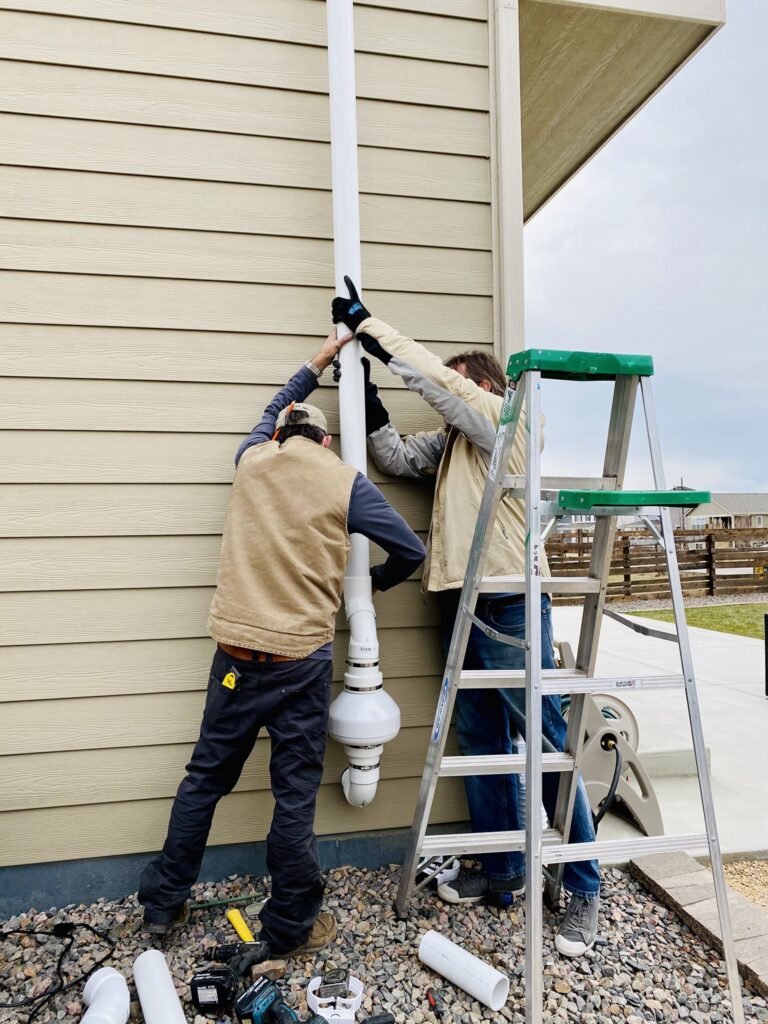
In the scenic city of Denver, the quality of indoor air is a concern that warrants attention. With the unique geological features of the area, radon gas poses significant challenges to ensuring a healthy living environment. Radon, a naturally occurring radioactive gas, can seep into homes and buildings, posing serious health risks if not properly managed. The process of radon mitigation is crucial in maintaining optimal indoor air quality, thereby safeguarding the health of residents. This article delves into how radon mitigation techniques can significantly improve indoor air quality in Denver, offering insights and strategies for effective management.
Understanding Radon and Its Impact
Radon is an odorless, colorless gas that arises from the decay of uranium in soil and rocks. It can infiltrate homes through cracks in floors, walls, and foundations, accumulating to dangerous levels, especially in areas like basements and crawl spaces. Prolonged exposure to high levels of radon is a leading cause of lung cancer in non-smokers.
- Radon levels are measured in picocuries per liter (pCi/L).
- The Environmental Protection Agency (EPA) recommends action if radon levels exceed 4 pCi/L.
- Denver’s geological landscape contributes to heightened radon levels.
For more comprehensive insights on radon and its effects, find out more about this approach to understanding radon risks and safety measures.
How Radon Mitigation Works
Mitigating radon involves reducing radon levels in indoor environments to safe concentrations. This process typically includes a combination of techniques tailored to the specific home or building structure.
Key Radon Mitigation Techniques
- Sub-Slab Depressurization: This is the most common method, involving a vent pipe system and fan that pulls radon from beneath the house and vents it to the outside.
- Sealing: Sealing cracks and openings in the foundation and walls reduces the flow of radon into the home.
- Improved Ventilation: Increasing air changes within a building can help to dilute radon concentrations.
To explore advanced guides and tips on these techniques, discover expert strategies here for effectively implementing radon mitigation in Denver homes.
Benefits of Radon Mitigation for Indoor Air Quality
Implementing radon mitigation not only reduces health risks but also enhances the overall quality of indoor air. Here are some key benefits:
- Health Protection: Lower radon levels significantly reduce the risk of lung cancer.
- Improved Air Quality: Radon mitigation often involves increased ventilation, which can lead to fresher indoor air.
- Increased Home Value: Homes with successful radon mitigation systems can be more appealing to buyers.
Learn about our tailored solutions to enhance your indoor environment by visiting this page.
Choosing the Right Radon Mitigation Services
When considering radon mitigation options, it is vital to select a service that aligns with the specific needs of the home while ensuring compliance with local regulations and standards. Here are some considerations when choosing a service:
- Expertise: Look for experienced professionals with a strong track record in radon mitigation.
- Customized Solutions: Ensure the solutions are tailored to the specific structural and environmental conditions of the property.
- Compliance: The service should adhere to EPA guidelines and local building codes.
For a deeper understanding of effective radon mitigation services, explore advanced guides and tips to better equip yourself in making informed decisions.
In conclusion, radon mitigation is a pivotal step toward improving the indoor air quality in Denver. By understanding the risks, implementing effective mitigation techniques, and choosing the right services, residents can ensure a healthier living environment. For more detailed information and expert guidance, discover expert strategies here.