


Hyperbaric Oxygen Tank Safety Precautions

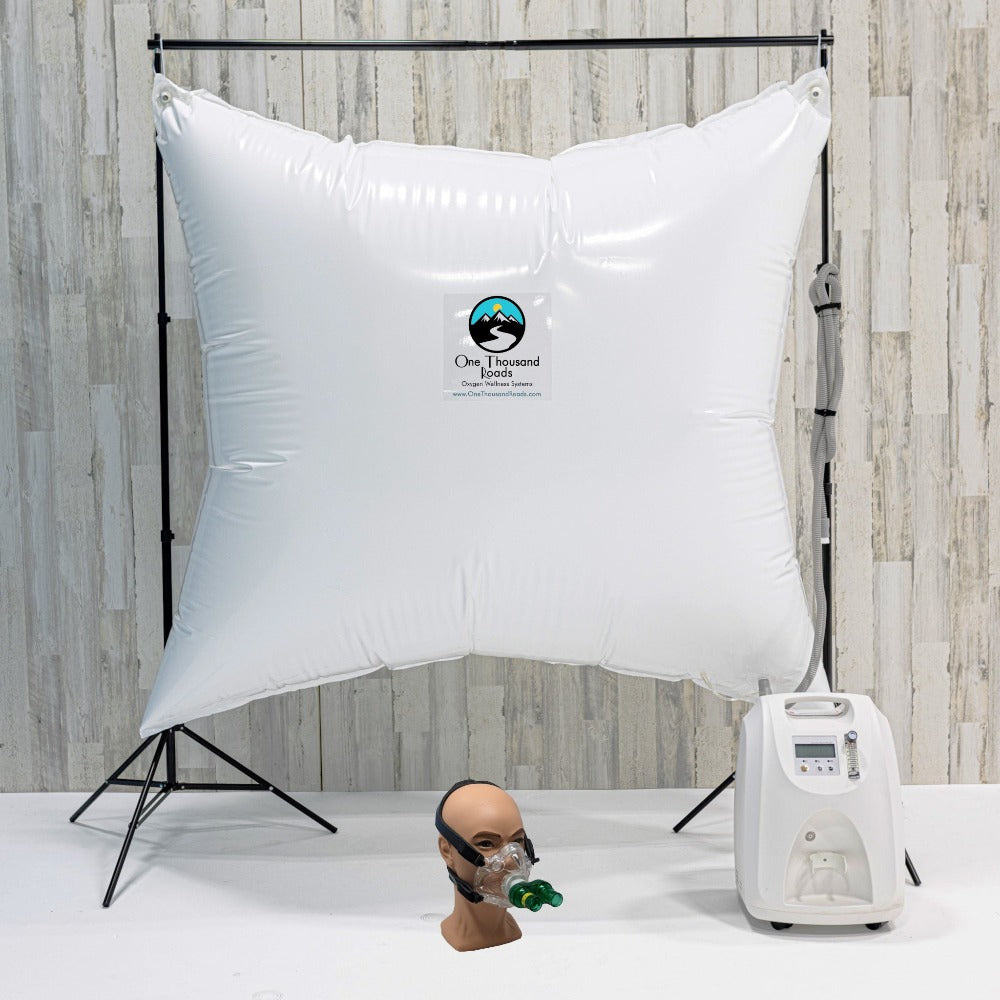
Hyperbaric oxygen therapy (HBOT) delivers pure oxygen at pressures greater than atmospheric levels, offering therapeutic benefits for a range of medical conditions. While the technology provides remarkable outcomes, the safety of the equipment, particularly the hyperbaric oxygen tank, is paramount. Proper handling, routine maintenance, and adherence to established safety protocols protect both patients and operators, ensuring the therapy remains effective and risk-free.
Understanding Hyperbaric Oxygen Tank Risks
Before implementing safety measures, it is essential to recognize the primary hazards associated with hyperbaric oxygen tanks:
- Pressure overload: Excessive pressure can cause structural failure or rupture.
- Oxygen toxicity: High oxygen concentrations increase fire risk and can affect the respiratory system if not managed correctly.
- Mechanical malfunction: Faulty seals, valves, or monitoring systems may lead to unsafe pressure fluctuations.
- Improper installation: Inadequate anchoring or ventilation can compromise the entire system.
Key Safety Precautions
1. Installation and Site Preparation
- Choose a well-ventilated area away from flammable materials.
- Secure the tank on a level, reinforced floor with appropriate anchoring hardware.
- Verify that electrical outlets meet local code requirements and are protected by circuit breakers.
- Consult local regulations and standards such as AS/NZS 2299 for compliance.
2. Routine Inspection and Maintenance
- Conduct visual inspections before each session for dents, corrosion, or loose fittings.
- Schedule professional pressure testing annually; record results for compliance audits.
- Replace seals and O-rings according to the manufacturer’s recommended interval.
- Calibrate pressure gauges and safety valves quarterly to maintain accuracy.
3. Operational Protocols
- Train all personnel on emergency shutdown procedures and fire-suppression techniques.
- Maintain a log of each treatment session, noting pressure levels, duration, and any anomalies.
- Limit exposure time based on patient-specific risk assessments to reduce oxygen toxicity.
- Ensure that no electronic devices or smoking materials are present inside the chamber.
4. Personal Protective Equipment (PPE)
- Operators should wear flame-resistant clothing, safety goggles, and gloves when handling the tank.
- Patients must be instructed to remove any jewelry or metal objects that could spark.
Emergency Preparedness
Even with rigorous precautions, emergencies can occur. A comprehensive response plan includes:
- Immediate activation of the chamber’s emergency vent to reduce pressure safely.
- Availability of a Class B fire extinguisher specifically rated for oxygen-rich environments.
- Clear signage indicating exit routes and emergency shut-off locations.
- Regular drills to ensure staff can execute the plan without hesitation.
Documentation and Compliance
Accurate record-keeping supports both safety and regulatory compliance. Essential documents include:
- Installation certificates and inspection reports.
- Maintenance logs with dates, performed tasks, and technician signatures.
- Patient consent forms detailing the risks and benefits of HBOT.
- Incident reports for any deviations from standard operating procedures.
Integrating Expert Guidance
For clinicians seeking deeper insight into best practices, a range of resources are available. Discover expert strategies here provides detailed guidelines on pressure management and fire safety specific to Australian regulations. Additionally, Explore advanced guides and tips to stay current with emerging safety technologies, such as automated monitoring systems that alert staff to pressure anomalies in real time.
Conclusion
Ensuring the safety of hyperbaric oxygen tanks demands a disciplined approach that blends proper installation, diligent maintenance, thorough staff training, and robust emergency planning. By embedding these precautions into daily practice, healthcare providers can deliver the therapeutic advantages of HBOT while safeguarding patients and personnel. Continuous education and adherence to industry standards remain the cornerstone of a safe and effective hyperbaric environment. For further reading, Find out more about this approach and keep safety at the forefront of every treatment session.