


Inspiring Young Minds: Art Programs for Elementary Students

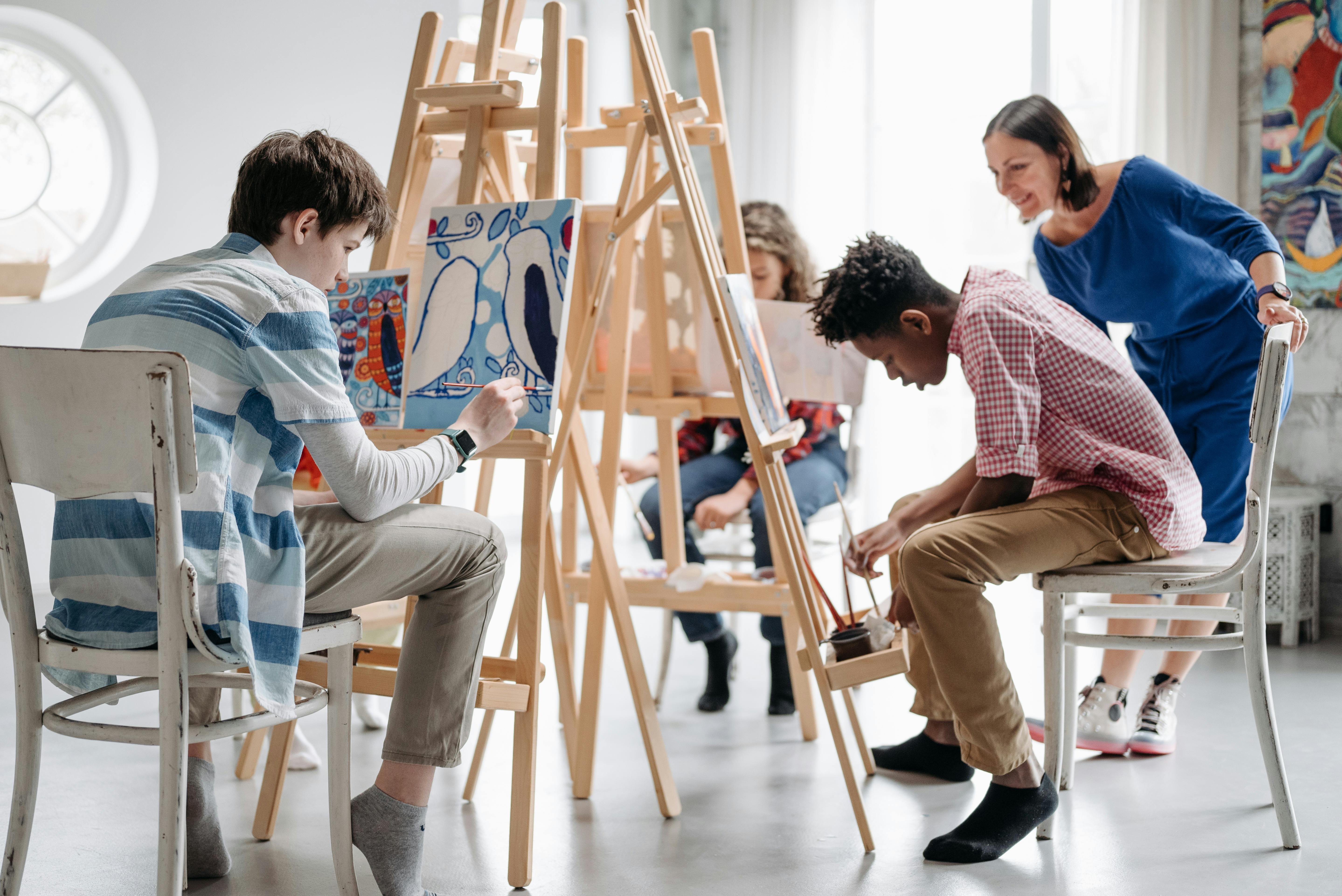
Art programs for elementary students play a vital role in nurturing creativity, fostering emotional expression, and enhancing cognitive abilities. These programs are essential in shaping young minds, allowing children to explore their imaginations and develop critical thinking skills. Through varied artistic disciplines, elementary students not only learn about art but also gain valuable life skills that contribute to their overall development. By engaging in art, children become more adept at problem-solving, communication, and collaboration, equipping them with a solid foundation for future academic and personal success.
The Importance of Art in Early Education
Art education in early childhood is not merely about drawing or painting; it extends beyond the canvas to encompass a broad spectrum of skills and benefits. Here”?s why art programs are crucial in elementary education:
- Cognitive Development: Art stimulates brain activity, enhancing memory, attention, and problem-solving skills.
- Emotional Expression: Art provides a safe avenue for children to express their emotions and understand their feelings.
- Social Skills: Collaborative art projects teach children how to work together, improving their communication and teamwork abilities.
- Cultural Awareness: Exposure to different art forms and histories fosters a better understanding of diverse cultures and perspectives.
Effective Art Program Structures
An effective elementary school art program is characterized by a well-rounded curriculum that encompasses various artistic disciplines. Essential components include:
Visual Arts
The visual arts are a staple in any comprehensive art program. Offering students the opportunity to experiment with different media such as drawing, painting, and sculpture can significantly enhance their creativity and technical skills. Programs like the private school visual arts Concord MA integrate these elements seamlessly into their curriculum.
Performing Arts
The inclusion of performing arts, such as music, dance, and drama, allows students to express themselves through movement and sound. This aspect of the arts can improve confidence and public speaking skills, essential attributes for personal development.
Integration with Other Subjects
Art programs that integrate with other subjects, such as history or science, provide a multidisciplinary approach to learning. This integration helps reinforce knowledge and encourages students to view problems from multiple perspectives, a method employed by many private school arts programs.
Choosing the Right Program
Selecting an appropriate art program for children involves considering several factors to ensure it meets their educational and developmental needs. Parents and educators should consider:
- Curriculum Diversity: A diverse curriculum that covers a range of artistic disciplines can provide a more comprehensive educational experience.
- Instructor Expertise: Qualified instructors with experience in both education and the arts can greatly enhance the quality of the program.
- Facilities and Resources: Access to quality materials and facilities can significantly impact the effectiveness of the art education provided.
- Community and Collaboration: Programs that encourage community involvement and collaborative projects can enrich the learning experience.
Programs such as those offered in a private school arts program Concord MA often exemplify these qualities, providing a robust framework for student development.
For parents seeking a private middle school art program, evaluating these aspects can help ensure that their children receive a well-rounded education that emphasizes both artistic and personal growth.