


Islamic Fashion: Women’s Clothing Essentials

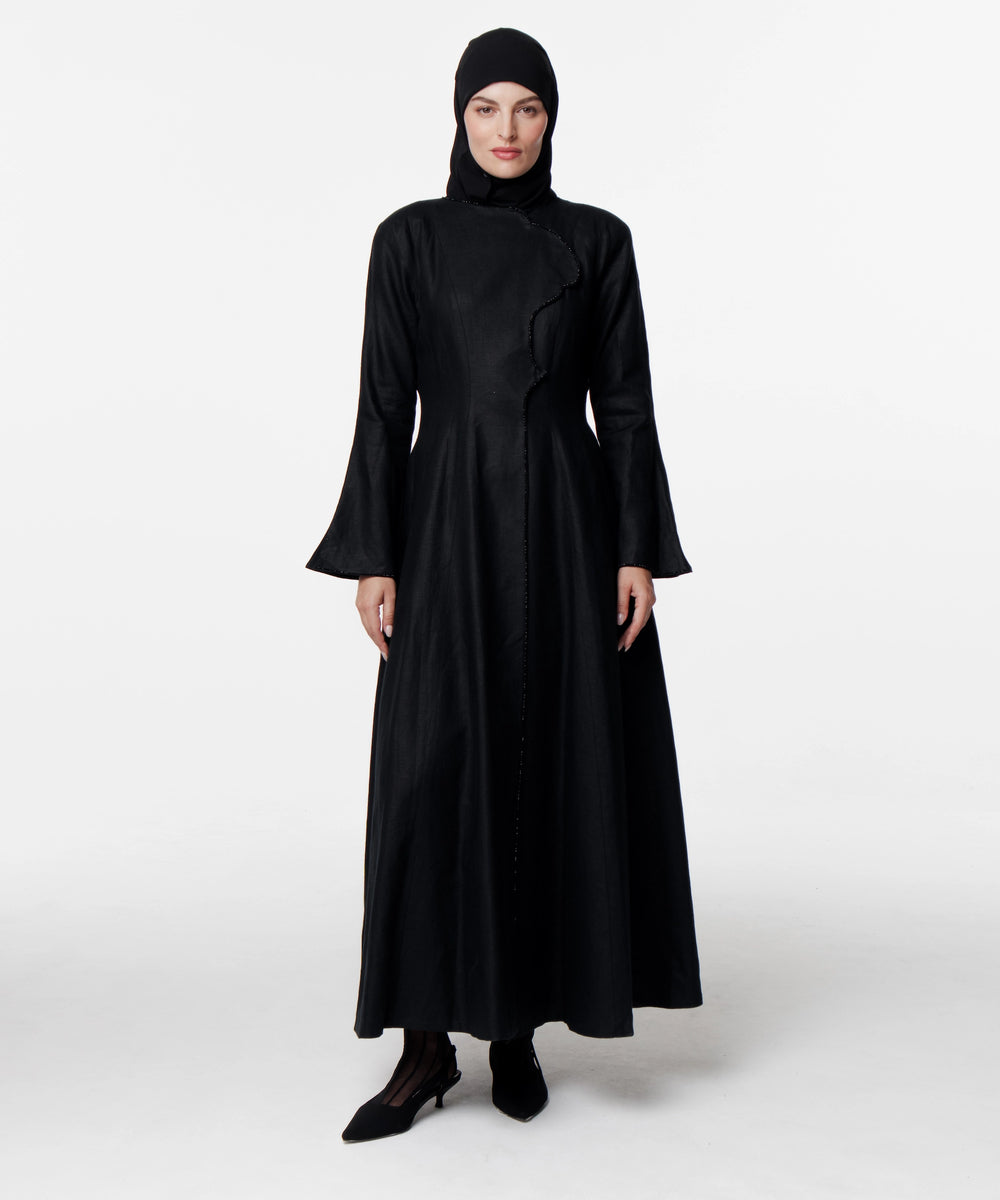
Islamic fashion for women is a vibrant and diverse realm that beautifully blends modesty, cultural tradition, and contemporary style. This fashion sector has gained international recognition for its unique balance of elegance and modesty, catering to a growing demographic that values both style and religious expression. The essentials of Islamic women’s clothing are rooted in cultural heritage, yet they evolve with modern trends, creating a dynamic and inclusive fashion landscape. This article delves into the key components of Islamic fashion for women, exploring the essentials that define this ever-evolving style.
Key Elements of Islamic Fashion
The Importance of Modesty
Modesty is a cornerstone of Islamic clothing. The garments are designed to cover the body in a manner that is respectful and modest, reflecting the cultural and religious values of Islam. This emphasis on modesty does not preclude style or aesthetics, as many designers skillfully integrate these principles into their creations.
Essential Garments
- Hijab: A key element of Islamic fashion, the hijab is a headscarf that covers the hair and neck while leaving the face visible. It symbolizes modesty and privacy.
- Abaya: A long, flowing robe that is worn over regular clothing, the abaya is a staple in Islamic fashion, often characterized by its elegant simplicity and ability to be styled in various ways.
- Kaftan: Originating from the Middle East, the kaftan is a long, loose-fitting garment that is popular for its comfort and versatility in both casual and formal settings.
- Jilbab: Similar to the abaya, the jilbab is a coat-like garment that provides full coverage, often worn over other clothing.
- Chador: Commonly worn in Iran, the chador is a full-body cloak that provides comprehensive coverage, usually paired with a headscarf.
Trends in Islamic Fashion
Islamic fashion is not static; it is continually influenced by global fashion trends and technological advancements. Designers are increasingly incorporating modern elements such as:
- Innovative Fabrics: Use of breathable, comfortable materials that cater to different climates and personal preferences.
- Bold Colors and Patterns: While traditional Islamic clothing often favors neutral tones, contemporary designs are embracing vibrant colors and intricate patterns to reflect personal style.
- Layering: Layering garments allows for creativity in styling, providing versatility and adaptability to different occasions.
For more insights into evolving trends in Islamic fashion, explore advanced guides and tips that showcase the dynamic nature of this fashion sector.
Balancing Tradition and Modernity
The balance between tradition and modernity in Islamic fashion is a reflection of its adaptability. Many designers are successfully merging traditional designs with contemporary styles, creating garments that appeal to a broad audience. This fusion is apparent in:
- Modern Silhouettes: Incorporating Western fashion influences while maintaining cultural authenticity.
- Functional Design: Prioritizing comfort and practicality without compromising on style.
- Customization: Offering tailored solutions that respect individual preferences and cultural requirements. Learn about our tailored solutions in the context of Islamic fashion.
Conclusion
Islamic fashion for women is a rich tapestry of tradition, culture, and modernity. It offers a unique blend of modesty and style, catering to diverse tastes and preferences. As the fashion industry continues to evolve, Islamic fashion remains an important and influential segment, reflecting the nuanced needs of women around the world. Find out more about this approach to ensure that Islamic fashion continues to thrive and adapt to the changing world. With its roots firmly planted in cultural values and its eyes set on future trends, Islamic fashion offers a fascinating perspective on the fusion of tradition and contemporary fashion.