


Key Considerations for a Level 3 Building Survey

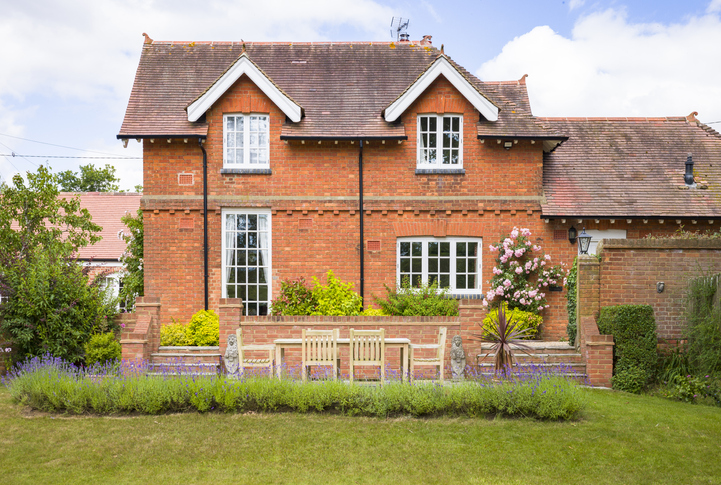
When it comes to comprehensive property assessments, a level 3 building survey is considered one of the most detailed surveys available. It is designed to provide in-depth insights into the condition of a property, making it an essential tool for prospective buyers of older or more complex structures. The survey examines essential aspects of the building, identifying structural issues, potential defects, and maintenance concerns that might need attention. As such, understanding the key considerations involved in a level 3 building survey is crucial for anyone looking to make informed decisions about property investments.
Understanding the Scope of a Level 3 Building Survey
A level 3 building survey is an extensive evaluation, providing a thorough analysis of a building’s structure and condition. This survey is particularly beneficial for:
- Older properties that might have hidden defects.
- Buildings that have undergone significant alterations.
- Unusual constructions, including historic or listed properties.
- Properties in visibly poor condition that require detailed investigation.
Components of a Level 3 Building Survey
Exterior Examination
The survey begins with an external examination, focusing on the building’s envelope. This includes:
- Inspection of the roof, chimneys, walls, and windows.
- Assessment of drainage systems and external piping.
- Evaluation of the property’s boundaries, including fences and gates.
Interior Assessment
Internally, the survey covers aspects such as:
- Structural integrity of walls, ceilings, and floors.
- Condition of fixtures and fittings like skirting boards and cornices.
- Inspection of cellars, basements, and attics.
Service Systems Analysis
A comprehensive level 3 RICS building survey also includes a review of service systems, such as:
- Plumbing and water systems.
- Electrical installations and safety systems.
- Heating and ventilation units.
Identifying Potential Risks and Issues
A building survey level 3 highlights potential risks that might affect the property?s value or necessitate substantial repairs. Key considerations include:
- Structural movement or subsidence.
- Dampness, timber decay, and infestations.
- Defective construction materials or techniques.
These elements are crucial for buyers to understand the nature and extent of any problems, enabling them to make informed decisions or negotiate better terms for the property acquisition.
Why Opt for a Level 3 Building Survey?
Choosing a level 3 survey is often recommended for properties that show signs of wear or have undergone complex modifications. This survey provides:
- Comprehensive insights that are not typically covered in standard surveys.
- A detailed report with actionable recommendations for repairs and maintenance.
- Peace of mind by ensuring no major surprises post-purchase.
For those investing in older or unique properties, a building survey level 3 is a prudent choice.
Conclusion
Investing in a level 3 building survey is a crucial step in the property acquisition process, especially for older or uniquely constructed buildings. By understanding the detailed aspects of the survey, prospective buyers can safeguard their investments and ensure they are fully aware of potential issues before finalizing any purchase. This survey not only provides a thorough examination of the property?s condition but also offers peace of mind by highlighting areas requiring attention, ultimately contributing to informed decision-making.