


Quick and Effective Water Damage Cleanup Solutions

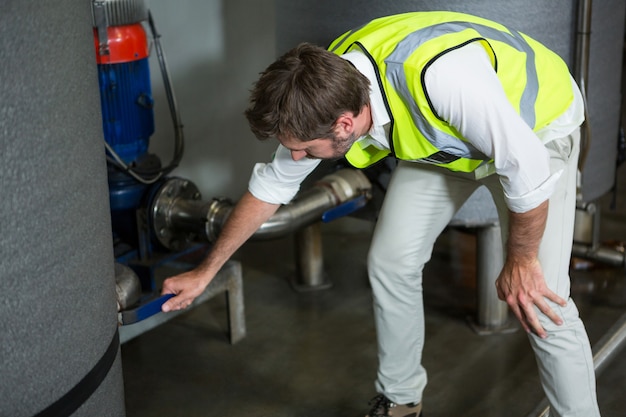
Water damage can strike unexpectedly and wreak havoc on homes and businesses alike. Whether due to natural disasters, plumbing failures, or other unforeseen events, the aftermath can be daunting. Quick and effective water damage cleanup is crucial to minimize damage and prevent long-term issues such as mold growth. Implementing the right strategies and utilizing professional guidance ensures a seamless recovery process.
Understanding the Basics of Water Damage
Water damage is categorized into different classes and types, based on the water’s source and extent of contamination. Understanding these categories is essential for effective cleanup:
- Class 1: Minor damage with minimal water absorption.
- Class 2: Moderate damage affecting an entire room or area.
- Class 3: Extensive damage with saturation in ceilings, walls, and floors.
- Class 4: Specialty drying situations with materials like hardwood and plaster.
Water types are classified as:
- Clean Water: From sources like broken pipes or rainwater.
- Gray Water: Contaminated water from appliances or bathwater.
- Black Water: Highly contaminated water from sewage or flood waters.
For a deeper understanding of these classifications, discover expert strategies here.
Steps to Effective Water Damage Cleanup
1. Safety First
Before initiating any cleanup process, safety is paramount. Ensure the following measures:
- Turn off electricity to prevent electrical hazards.
- Wear protective gear such as gloves and boots.
- Assess structural integrity to avoid collapse or injury.
For comprehensive safety guidelines, learn about our tailored solutions.
2. Remove Standing Water
Quickly removing standing water is crucial to prevent further damage:
- Use pumps for large volumes of water.
- Utilize wet/dry vacuums for smaller areas.
- Employ mops and towels for minor spills.
Find out more about this approach through detailed resources available here.
3. Dry and Dehumidify
After removing standing water, drying and dehumidifying the area is essential:
- Open windows and doors to increase ventilation.
- Utilize fans and dehumidifiers to accelerate drying.
- Monitor humidity levels to ensure complete dryness.
Explore advanced guides and tips to enhance drying efficiency by visiting this resource.
4. Sanitize and Clean
Post-drying, it’s vital to sanitize and clean all affected areas to prevent mold and bacteria:
- Use specialized cleaning agents for different surfaces.
- Dispose of any porous materials that can’t be salvaged.
- Apply antimicrobial treatments to prevent future growth.
For detailed cleaning procedures, explore advanced guides and tips.
5. Repair and Restore
Finally, repair and restore the affected areas to their original condition:
- Replace damaged drywall, flooring, and other materials.
- Repaint and refinish surfaces as needed.
- Ensure all systems (plumbing, electrical) are fully operational.
To ensure a thorough restoration, find out more about this approach.
Conclusion
Addressing water damage promptly and efficiently is critical to minimizing its impact. By understanding the basics, following structured cleanup steps, and implementing safety measures, affected areas can be restored effectively. For additional strategies and expert advice, consider exploring the comprehensive resources provided by experienced professionals.