


Residential Asbestos Removal Made Easy

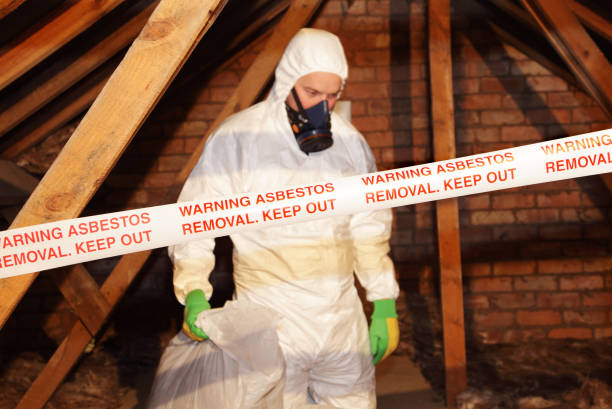
Asbestos removal in residential settings is a task that requires careful planning and execution. Once widely used for its insulation and fire-resistant properties, asbestos is now recognized as a hazardous material that poses significant health risks. Homeowners who suspect the presence of asbestos must approach removal with caution, ensuring compliance with safety standards and regulations. This article offers a comprehensive guide to understanding and facilitating residential asbestos removal effectively and safely.
Understanding Asbestos and Its Risks
Asbestos is a naturally occurring mineral fiber that was commonly used in building materials before its dangers were fully understood. Prolonged exposure to asbestos can lead to serious health issues, including lung cancer, mesothelioma, and asbestosis.
Key facts about asbestos:
- Commonly found in older homes, especially those built before the 1980s.
- Can be present in roofing, insulation, floor tiles, and other construction materials.
- Becomes hazardous when disturbed, releasing fibers into the air.
For more detailed information on the risks associated with asbestos, discover expert strategies here.
Steps to Safe Asbestos Removal
1. Initial Assessment and Testing
Before embarking on asbestos removal, it is crucial to conduct a thorough assessment to confirm the presence of asbestos. This involves:
- Hiring a certified professional to inspect and test suspected materials.
- Collecting samples safely to avoid fiber release.
- Receiving a detailed report on the presence and condition of asbestos.
To learn about tailored solutions for initial assessments, learn about our tailored solutions.
2. Choosing the Right Removal Method
The method of removal depends on the location, amount, and condition of the asbestos. Common approaches include:
- Encapsulation: Sealing asbestos materials to prevent fiber release.
- Enclosure: Constructing a barrier to isolate asbestos materials.
- Removal: Complete removal of asbestos materials, which is often the safest long-term solution.
Find out more about this approach to selecting the appropriate removal method by visiting this resource.
3. Hiring Professional Asbestos Removal Services
Due to the risks involved, hiring licensed professionals for asbestos removal is strongly recommended. Professionals ensure:
- Adherence to strict safety protocols and regulations.
- Proper disposal of asbestos materials in accordance with local laws.
- Comprehensive cleanup to ensure no residual fibers remain.
For advanced guides and tips on choosing reliable asbestos removal services, explore advanced guides and tips.
Post-Removal Measures
Once asbestos has been removed, it is important to take steps to prevent future contamination and ensure a safe living environment. Homeowners should:
- Conduct air quality tests to confirm the absence of asbestos fibers.
- Implement regular inspections for any remaining materials or future risks.
- Educate themselves and their families about potential hazards and safety practices.
For more information on maintaining a safe home environment post-removal, find out more about this approach.