


Reverse Mortgage Loans: A Smart Financial Solution for Seniors

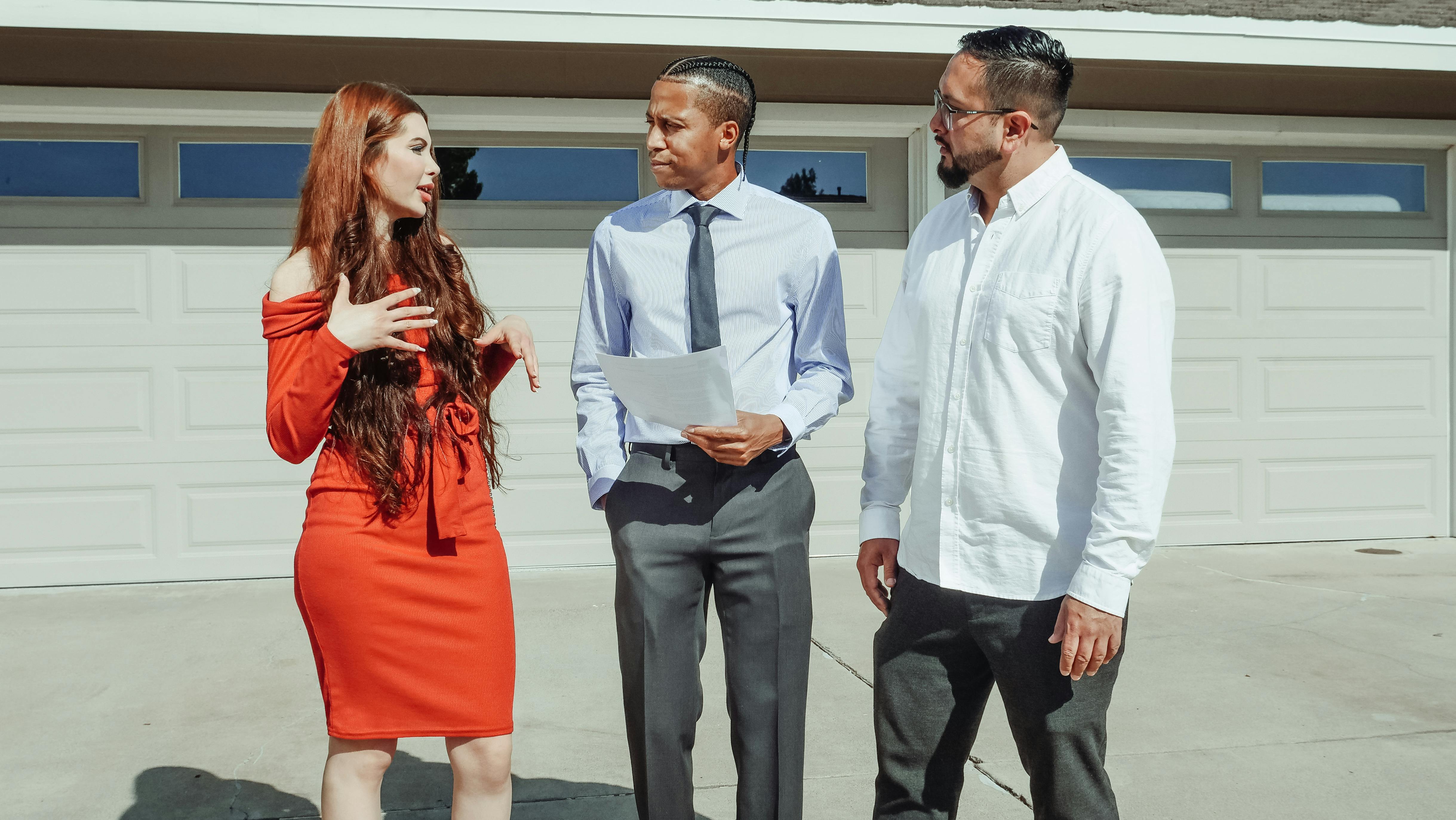
As individuals approach retirement, financial stability becomes a pivotal concern. For homeowners aged 62 and above, reverse mortgage loans offer a unique financial solution that can alleviate monetary stress. This loan allows seniors to unlock the equity tied up in their homes, providing them with a steady income stream without the need to sell their property. While reverse mortgages can be a beneficial tool for many, it is important to understand the intricacies involved to make an informed decision.
Understanding Reverse Mortgage Loans
A reverse mortgage is a loan available to homeowners aged 62 or older, allowing them to convert part of the equity in their homes into cash. Unlike traditional mortgages, the borrower does not make monthly repayments. Instead, the loan is repaid when the homeowner sells the house, moves out permanently, or passes away. Read more about this topic.
Key Features
- Eligibility: Homeowners must be at least 62 years old and have significant equity in their homes.
- Repayment: No monthly mortgage payments are required; the loan is settled upon sale of the home or the owner’s demise.
- Payout Options: Borrowers can choose to receive funds as a lump sum, monthly payments, a line of credit, or a combination of these options.
Advantages of Reverse Mortgage Loans
Reverse mortgages offer several benefits that make them appealing to many seniors looking to improve their quality of life during retirement. Learn more in this detailed guide.
Financial Freedom
Reverse mortgages provide immediate access to cash, which can be used to cover daily living expenses, healthcare costs, home repairs, or any other financial needs. This financial freedom allows seniors to maintain a comfortable lifestyle without the burden of monthly mortgage payments.
Homeownership Retention
One of the significant benefits of a reverse mortgage is that it allows seniors to stay in their homes while accessing the equity they’ve built up over the years. This aspect is particularly beneficial for those who wish to age in place. Explore further insights here.
Considerations and Potential Risks
While reverse mortgage loans offer numerous advantages, they also come with certain considerations that potential borrowers should be aware of.
Costs and Fees
Reverse mortgages involve upfront costs and ongoing fees, which can be higher than traditional mortgage loans. These costs can include origination fees, closing costs, and servicing fees. It’s crucial to evaluate these expenses to understand their impact on the overall loan. Find additional information here.
Impact on Inheritance
Since a reverse mortgage loan is repaid from the sale of the home, it can significantly reduce the inheritance left to heirs. Potential borrowers should discuss these implications with their family to ensure everyone understands the financial impact.
Conclusion
Reverse mortgage loans can serve as an effective financial solution for seniors seeking to augment their retirement income without relinquishing homeownership. However, it’s imperative to weigh the benefits against the potential drawbacks and ensure that it aligns with one’s financial goals and circumstances. Consulting with a financial advisor can provide valuable guidance in navigating this complex decision-making process.