


Streamlining Environmental Site Assessments for Success

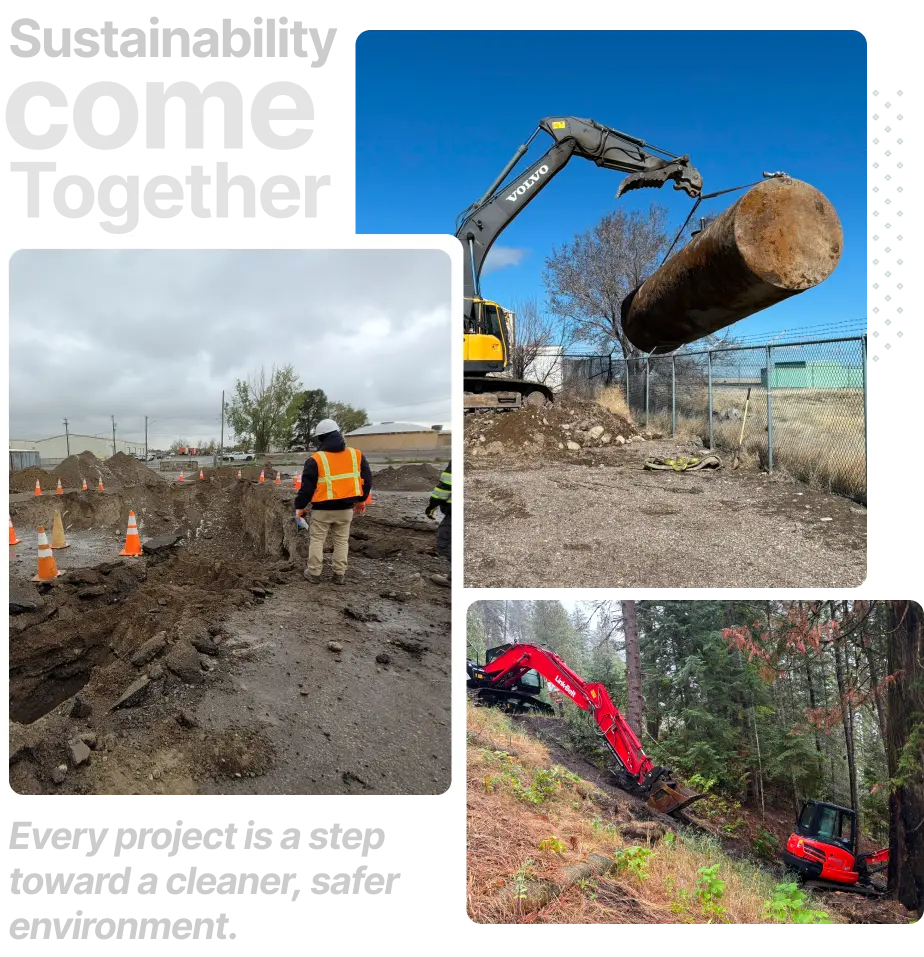
In the realm of environmental management, conducting thorough Environmental Site Assessments (ESAs) is crucial for ensuring compliance with regulations and protecting ecosystems. These assessments, which evaluate the potential contamination of a site, play a vital role in risk management and decision-making processes. Streamlining these assessments not only enhances efficiency but also ensures that environmental and human health considerations are prioritized. This article explores key strategies and approaches to optimize Environmental Site Assessments for success, drawing upon the expertise and resources available from reputable environmental consultants.
Understanding Environmental Site Assessments
An Environmental Site Assessment is a comprehensive analysis that identifies potential or existing environmental contamination liabilities. ESAs are typically conducted in phases:
- Phase I ESA: This involves a non-intrusive review of records, site inspections, and interviews to identify possible contamination sources.
- Phase II ESA: If potential contamination is identified, Phase II involves sampling and laboratory analysis to confirm the presence of hazardous substances.
- Phase III ESA: This phase focuses on remediation strategies and detailed risk assessments.
To achieve successful outcomes, it is essential to implement streamlined processes for each phase of an ESA. Discover expert strategies here.
Strategies for Streamlining ESAs
1. Leveraging Technology
Integrating advanced technology into ESAs can significantly enhance efficiency and accuracy. This includes:
- Geographic Information Systems (GIS): Use GIS to map and analyze site data, which provides valuable insights for decision-making.
- Remote Sensing: Utilize drones and satellite imagery for comprehensive site evaluations without physical presence.
- Data Management Software: Implement robust software solutions to store, manage, and analyze environmental data efficiently.
Find out more about this approach and how it can benefit your ESA process here.
2. Effective Communication and Coordination
Successful ESAs rely on clear communication and coordination among all stakeholders, including environmental consultants, property owners, and regulatory bodies. Consider the following approaches:
- Regular Updates: Establish a schedule for updates and reports to keep all parties informed of the assessment progress and findings.
- Stakeholder Engagement: Engage stakeholders early in the process to gather insights and address concerns promptly.
- Collaborative Platforms: Use online platforms to facilitate document sharing and collaborative work among team members.
Explore advanced guides and tips on improving communication in the ESA process here.
Implementing Tailored Solutions
Every site presents unique challenges and opportunities. Customizing the ESA approach to fit the specific needs and conditions of a site can lead to more effective outcomes. Key considerations include:
- Site-Specific Assessments: Tailor the assessment methodology to address the specific risks and regulatory requirements of the site.
- Adaptive Management: Be prepared to adjust strategies based on new data or changing site conditions.
- Risk-Based Assessment: Focus on high-risk areas and prioritize actions that offer the greatest environmental and health benefits.
Learn about tailored solutions for site assessments here.
Conclusion
Streamlining Environmental Site Assessments is essential for effective environmental management and compliance. By leveraging technology, enhancing communication, and implementing tailored solutions, stakeholders can optimize their assessment processes. These strategies not only save time and resources but also ensure that environmental and public health are safeguarded. For those seeking to enhance their ESA processes, exploring expert resources and guides is a prudent step forward. Visit this link to discover comprehensive resources and support in achieving successful environmental assessments.