


The Impact of Hyperbaric Oxygen Therapy on Neurological Disorders

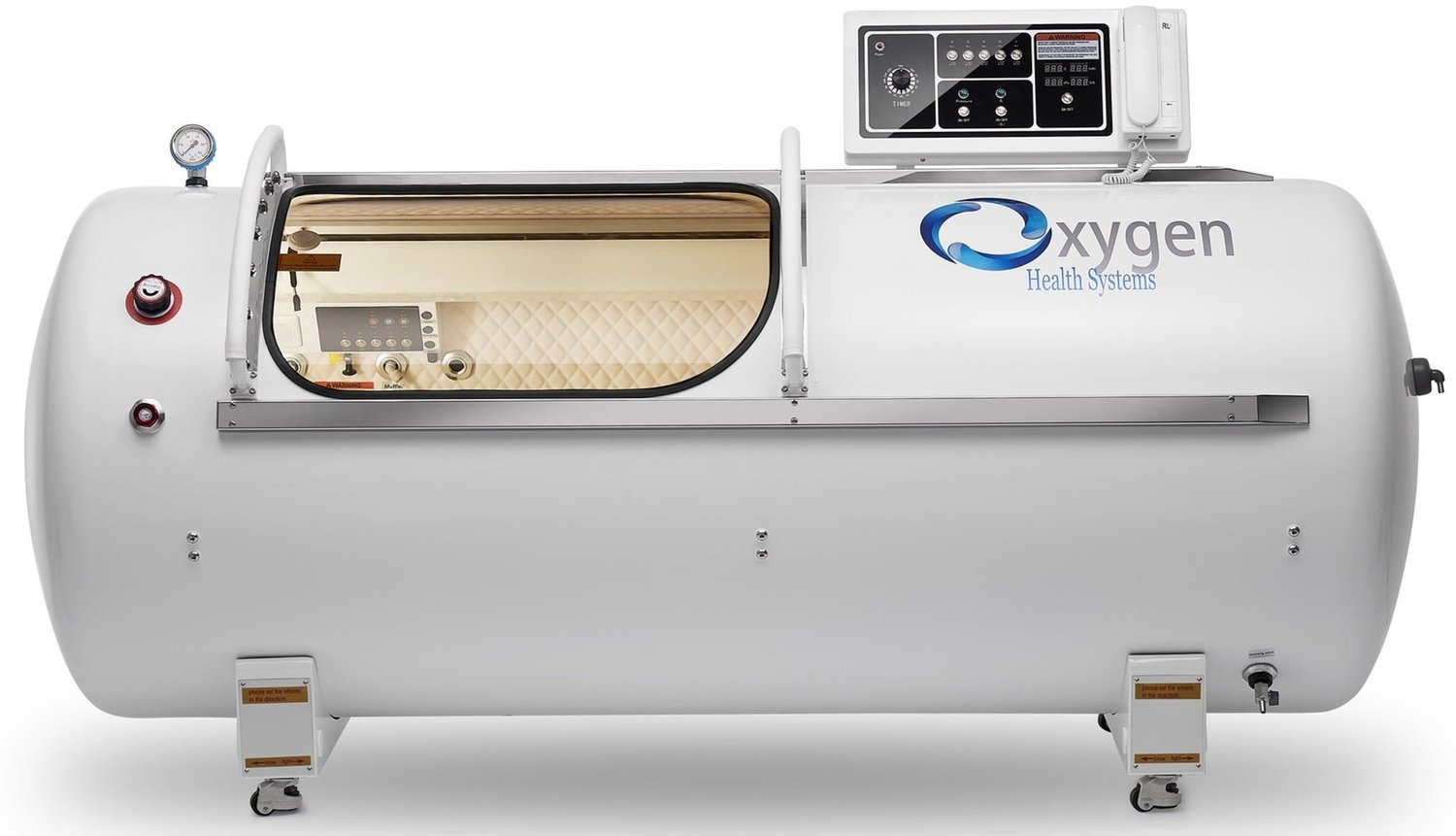
Hyperbaric Oxygen Therapy (HBOT) has emerged as a promising intervention for a variety of neurological disorders. By increasing the amount of oxygen in the bloodstream, HBOT is believed to offer therapeutic benefits that can aid in the recovery and management of conditions affecting the brain and nervous system. This article explores how HBOT is being integrated into treatment protocols for neurological disorders, highlighting its potential benefits and applications.
Understanding Hyperbaric Oxygen Therapy
Hyperbaric Oxygen Therapy involves the administration of 100% oxygen at pressures greater than atmospheric pressure. Patients undergo therapy sessions in a specially designed chamber where the increased pressure allows for higher concentrations of oxygen to be dissolved in the bloodstream. This enhanced oxygen delivery is thought to facilitate healing processes, reduce inflammation, and promote neuroplasticity.
Neurological Disorders Benefiting from HBOT
Several neurological disorders have shown positive responses to HBOT, including:
- Traumatic brain injuries (TBI)
- Stroke
- Cerebral palsy
- Multiple sclerosis
- Autism spectrum disorders
For more detailed information on how HBOT is applied in these conditions, you can discover expert strategies here.
The Mechanism of Action for HBOT in Neurological Conditions
Enhanced Oxygenation
HBOT enhances the oxygenation of tissues, which is critical in repairing damaged neurons and improving neuronal function. The superior delivery of oxygen supports metabolic processes essential for brain recovery.
Reduction of Inflammation
Inflammatory responses are a common consequence of neurological injuries. HBOT is believed to reduce inflammation by modulating the release of cytokines and other inflammatory markers, providing a conducive environment for recovery. Learn about our tailored solutions that address inflammation in neurological disorders.
Stimulation of Neuroplasticity
One of the most promising aspects of HBOT is its potential to stimulate neuroplasticity. By promoting the growth of new neurons and synapses, HBOT can aid in the recovery of brain functions lost due to injury or disease. This aspect of therapy is particularly beneficial for conditions like cerebral palsy and stroke, where neuroplasticity plays a key role in rehabilitation.
Integrating HBOT into Treatment Protocols
The integration of HBOT into standard treatment protocols requires a comprehensive understanding of each patient?s unique needs. Clinicians must evaluate:
- The specific neurological condition and its severity
- Patient history and overall health status
- Potential benefit-to-risk ratio
For clinicians and patients alike, it is essential to explore advanced guides and tips for the effective application of HBOT in neurological care.
Future Prospects and Research Directions
Research into HBOT continues to evolve, with studies aiming to better understand its mechanisms and optimize its application. Recent advancements suggest that combining HBOT with other therapeutic modalities could enhance outcomes in neurological rehabilitation. As more clinical trials are conducted, the hope is that HBOT will become a standard part of treatment for various neurological disorders.
To stay informed about the latest research and clinical applications of HBOT, healthcare professionals and patients are encouraged to find out more about this approach.