


The Importance of Dentist Wisdom Tooth Extraction

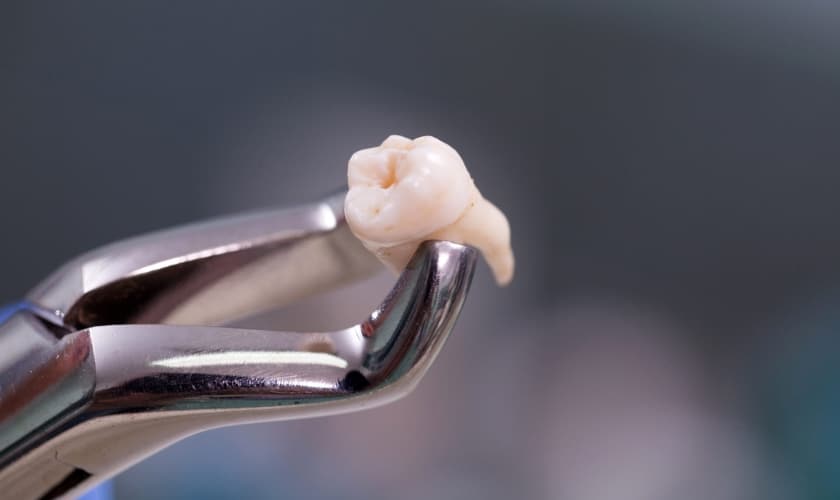
Wisdom teeth, or third molars, are the last set of teeth to emerge, typically appearing between the ages of 17 and 25. While some individuals experience no issues with their wisdom teeth, many face complications that necessitate professional attention. The extraction of wisdom teeth is a common dental procedure that can prevent future oral health problems. Understanding the importance of this procedure and when it is necessary is crucial for maintaining optimal dental health.
Why Wisdom Tooth Extraction is Necessary
Wisdom teeth can cause several issues, especially if they do not have enough space to emerge properly. These problems can include:
- Impaction: Wisdom teeth can become trapped within the jawbone or gums, leading to pain and potential infection.
- Overcrowding: The emergence of wisdom teeth can push other teeth out of alignment, disrupting dental structure.
- Decay and Gum Disease: Due to their position at the back of the mouth, wisdom teeth can be difficult to clean, increasing the risk of cavities and gum disease.
For more information on why extraction might be necessary, discover expert strategies here.
Signs You May Need Wisdom Tooth Extraction
It’s important to recognize the signs that suggest wisdom tooth removal might be beneficial:
- Pain or swelling in the back of the mouth
- Frequent infections in the soft tissue behind the lower last tooth
- Formation of cysts around the wisdom teeth
- Damage to neighboring teeth
If these symptoms are present, it is advisable to consult a dental professional. Learn about our tailored solutions for addressing these issues.
The Procedure of Wisdom Tooth Extraction
Preparation
Before the extraction, a thorough dental examination is necessary. This includes X-rays to assess the position and condition of the wisdom teeth. The dental professional will discuss anesthesia options and post-operative care.
Surgical Extraction
The procedure itself involves making an incision in the gum tissue to expose the tooth and bone. Any bone blocking access to the tooth root is removed, and the tooth is extracted. In some cases, the tooth may need to be divided into sections for easier removal.
Recovery
Post-extraction, patients can expect some swelling and discomfort, which can be managed with prescribed pain relief and ice packs. It?s crucial to follow the dentist?s post-operative instructions to ensure a smooth recovery. Explore advanced guides and tips on post-extraction care.
Benefits of Wisdom Tooth Extraction
Removing wisdom teeth can offer numerous benefits, including:
- Prevention of damage to other teeth
- Reduction of oral diseases and inflammation
- Alleviation of pain and discomfort
- Improved oral hygiene and health
By addressing wisdom teeth issues early, many complications can be avoided, promoting long-term dental health. Find out more about this approach to oral wellness.
In conclusion, while not everyone will require wisdom tooth extraction, for those who do, it can significantly improve oral health and quality of life. Regular dental check-ups and consultations are essential to determine the right time for extraction and to ensure that all dental health needs are met efficiently and effectively.