


The Importance of Proper Shredded Paper Recycling for a Greener Future

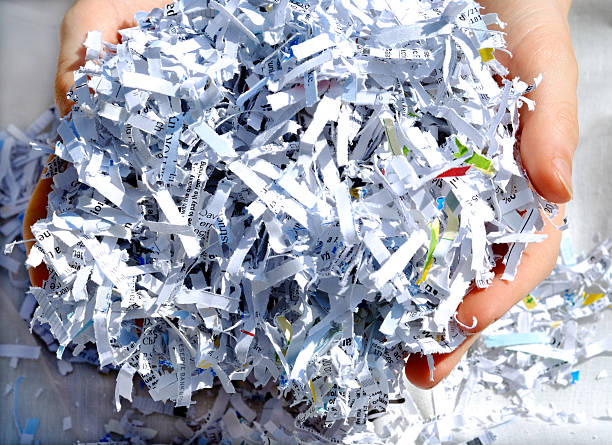
In an era marked by growing environmental concerns, the significance of recycling cannot be overstated. Among the various materials that can be recycled, paper stands out due to its pervasive use and significant environmental impact. Shredded paper, in particular, presents a unique challenge and opportunity in the recycling ecosystem. Proper recycling of shredded paper is essential for a greener future, reducing landfill waste, saving trees, and conserving energy. By understanding the importance of shredded paper recycling and implementing effective practices, communities and businesses can contribute to a sustainable environment.
The Environmental Impact of Shredded Paper
Shredded paper, often derived from confidential documents, packaging materials, or leftover scraps, is a common byproduct of both corporate and domestic environments. However, its recycling potential is frequently underestimated. Here’s why shredded paper recycling is crucial:
- Resource Conservation: Recycling shredded paper reduces the need for virgin paper production, thereby conserving natural resources such as trees and water.
- Energy Efficiency: The recycling process consumes less energy compared to producing new paper from raw materials.
- Reduction in Landfill Waste: Proper recycling of shredded paper helps decrease the volume of waste sent to landfills, mitigating the harmful effects of landfill decomposition.
Challenges in Recycling Shredded Paper
Despite its potential, shredded paper recycling faces several challenges:
- Sorting Issues: Shredded paper can often be mixed with non-recyclable materials, complicating the sorting process.
- Fiber Length: The shredding process shortens paper fibers, which can affect the quality of recycled paper products.
- Contamination: Shredded paper is prone to contamination from adhesives, inks, and other materials, which can impede the recycling process.
Effective Practices for Shredded Paper Recycling
Pre-Recycling Considerations
To maximize the efficiency of shredded paper recycling, consider the following practices:
- Segregation: Keep shredded paper separate from other recyclables to prevent contamination.
- Bagging: Use clear bags to store shredded paper, making it easier for recycling facilities to identify and process the material.
- Volume Reduction: Compress shredded paper to reduce volume, facilitating easier transport and handling.
Choosing the Right Recycling Partner
For effective recycling, engaging with a reliable recycling service provider is essential. Look for services that specialize in shredded paper recycling to ensure the process is carried out efficiently and in an environmentally friendly manner.
Benefits of Recycling Shredded Paper
Implementing proper practices in shredded paper recycling not only benefits the environment but also yields economic advantages:
- Circular Economy: By recycling shredded paper, organizations contribute to a circular economy where materials are continuously reused, reducing the need for new resources.
- Cost Savings: Reduced waste disposal costs and potential revenue from selling recycled materials can result in significant financial savings.
- Environmental Responsibility: Participating in recycling initiatives improves a company’s environmental footprint, enhancing its public image and commitment to sustainability.
Conclusion
As awareness of environmental issues grows, so does the importance of effective recycling practices. Shredded paper, often overlooked, plays a crucial role in this endeavor. By understanding the challenges and implementing best practices in recycle shredded paper, individuals and businesses can make a significant impact. Embracing proper shredded paper recycling not only supports a greener future but also aligns with broader sustainability goals, ensuring a healthier planet for generations to come.