


The Importance of Regular Roof Inspections

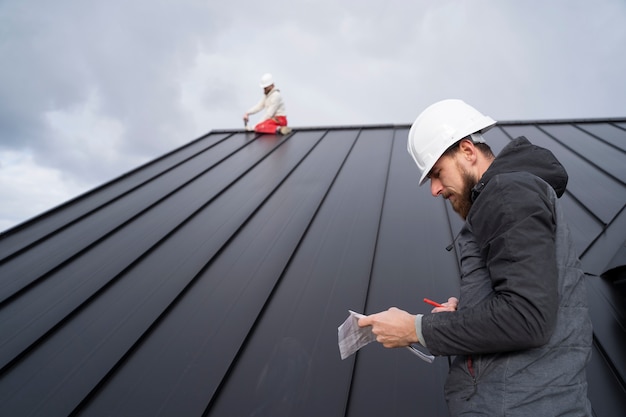
Regular roof inspections are an integral aspect of maintaining the structural integrity and aesthetic value of any building. Often overlooked, the roof is a vital component that shields the interior from the harsh elements of nature, ensuring the safety of its inhabitants. Despite its importance, many property owners tend to neglect routine check-ups until obvious damage prompts action. Understanding the significance of regular roof inspections can lead to cost savings, enhanced safety, and prolonged roof life.
Benefits of Regular Roof Inspections
Regular inspections are essential for identifying potential issues before they become significant problems. Here are some of the key benefits:
- Early Detection of Damages: Inspections can uncover minor problems like small leaks or loose shingles that, if left unaddressed, could lead to more extensive damage. Discover expert strategies here.
- Prolonged Roof Lifespan: Routine checks and maintenance can significantly extend the life of a roof by preventing severe damage that could necessitate costly replacements.
- Cost Savings: Addressing minor issues before they escalate can save substantial repair costs in the long run. Find out more about this approach.
- Enhanced Safety: A well-maintained roof ensures the safety of the building’s occupants by preventing potential accidents caused by structural failures.
Key Components of a Roof Inspection
During a roof inspection, several critical components are evaluated to ensure overall roof health:
Exterior Inspection
The outer surface of the roof is typically the first line of defense against environmental elements. Inspections focus on:
- Shingles: Checking for any signs of curling, cracking, or missing shingles that could compromise the roof’s waterproofing.
- Gutters and Downspouts: Ensuring they are clear of debris to facilitate proper drainage and prevent water damage.
- Flashing: Examining the metal strips that seal off roof joints to ensure they are intact and free from rust.
Interior Inspection
The interior of the roof can reveal hidden issues not visible from the outside:
- Attic Space: Inspecting for signs of water damage, mold, or insulation issues that could indicate roof leaks.
- Ventilation: Ensuring proper airflow to prevent moisture build-up that could lead to mold growth or structural damage.
Scheduling and Frequency
It is recommended to schedule roof inspections bi-annually, ideally in spring and fall, to prepare for the upcoming seasons of harsher weather. However, additional inspections may be necessary after severe weather events such as storms or hurricanes. Learn about our tailored solutions.
Choosing a Professional Roof Inspector
While some property owners may choose to perform initial checks themselves, employing a professional roof inspector ensures a thorough evaluation. Professionals are trained to spot subtle signs of damage that may go unnoticed by the untrained eye. Additionally, they can provide expert advice on necessary repairs and maintenance strategies. Explore advanced guides and tips. When selecting a professional, reviewing customer feedback can be insightful. Check out customer reviews here for insights into service quality and customer satisfaction.
Conclusion
Regular roof inspections are a proactive measure that can save time, money, and stress by preventing unexpected roof failures. By understanding the importance of these inspections and engaging with experienced professionals, property owners can ensure their roofs are in optimal condition year-round. For comprehensive insights and professional guidance, discover expert strategies here to maintain the longevity and safety of your roof.