


The Role of Composting Garbage Disposal in Sustainability

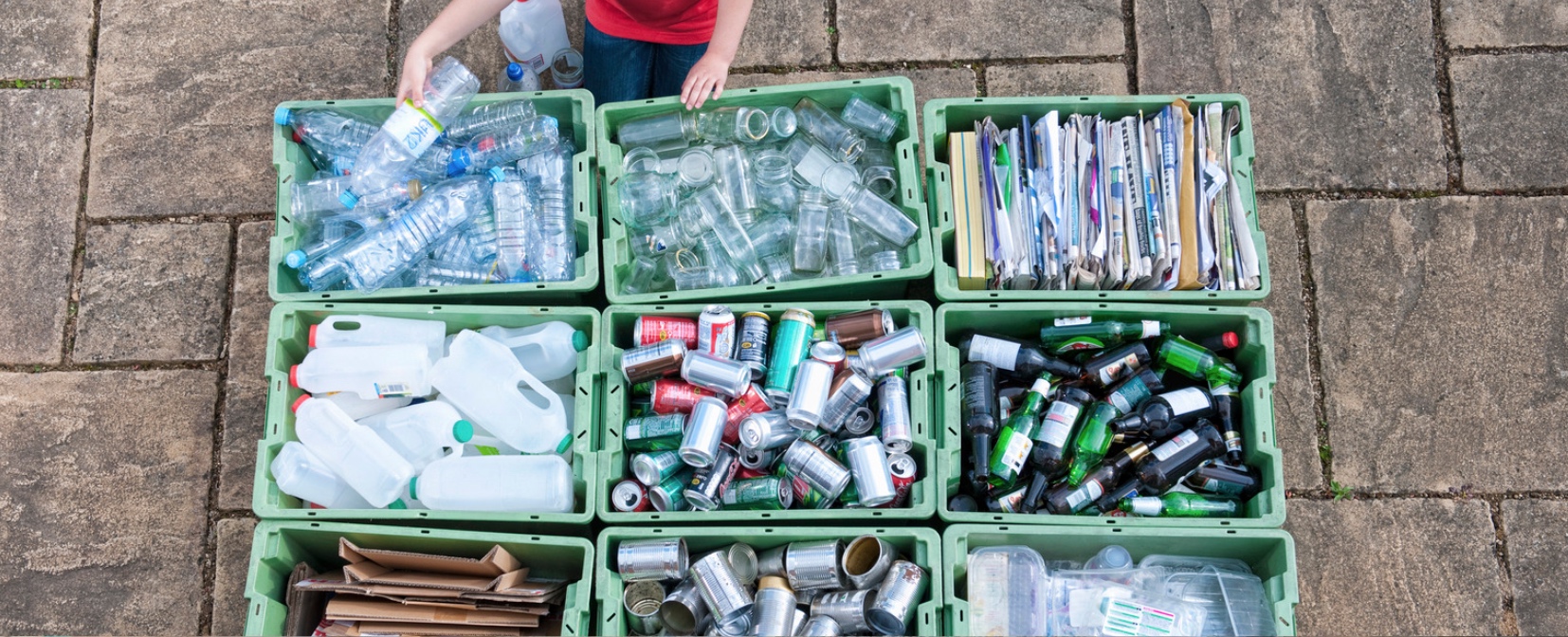
As the world grapples with the pressing issues of climate change and environmental degradation, sustainable waste management practices have taken center stage. Among these practices, composting emerges as a critical component in reducing landfill waste and enhancing soil health. Composting garbage disposal plays a pivotal role in sustainability by converting organic waste into nutrient-rich compost, thereby closing the loop in waste management systems. This process not only reduces the volume of waste sent to landfills but also contributes to the regeneration of fertile soil, essential for agriculture and ecosystem vitality.
The Process and Benefits of Composting
Composting is a natural process that involves the decomposition of organic matter such as food scraps and yard waste. This biological process is facilitated by microorganisms, which break down the waste into humus”?a rich, soil-like material. The benefits of composting extend beyond waste reduction:
- Reduction in Landfill Waste: By diverting organic waste from landfills, composting significantly reduces methane emissions, a potent greenhouse gas.
- Soil Enrichment: Compost enhances soil structure, providing essential nutrients that improve plant growth and soil health.
- Water Retention: Compost aids in water retention, reducing the need for frequent irrigation in agriculture.
- Reduction of Chemical Fertilizers: Utilizing compost decreases reliance on chemical fertilizers, promoting organic farming practices.
Discover expert strategies here to maximize the benefits of composting in residential and commercial settings.
Composting Technologies and Innovations
Advancements in Composting Systems
Technological innovations have revolutionized composting, making it accessible and efficient for various users. These advancements include:
- In-vessel Composting: This method involves closed containers, accelerating the composting process and minimizing odor and pest issues.
- Aerated Static Pile Composting: Using forced air systems, this technique enhances aeration, speeding up decomposition.
- Vermicomposting: Leveraging earthworms to decompose organic matter, this approach is particularly effective for small-scale operations.
Explore advanced guides and tips here for implementing cutting-edge composting technologies.
Integrating Composting in Urban Environments
Urban areas face unique challenges in waste management due to high population density and limited space. However, integrating composting systems in cities can offer significant environmental benefits:
- Community Composting Programs: Establishing community composting sites can engage residents and promote local sustainability initiatives.
- Composting in Schools and Institutions: Educational institutions can integrate composting into their operations, fostering environmental awareness among students.
- Collaboration with Waste Management Services: Partnering with professional recycling services can streamline composting efforts and ensure compliance with regulations.
Find out more about this approach here and learn about our tailored solutions for urban composting challenges.
The Future of Composting and Sustainability
As society continues to prioritize sustainable practices, the role of composting in waste management will only grow. The future of composting lies in its integration with other sustainable practices, such as recycling and renewable energy. By investing in composting infrastructure and education, communities can foster a culture of sustainability that benefits both the environment and the economy.
Learn about our tailored solutions here to drive sustainable practices through innovative composting methods.