


The Ultimate Guide to Best Workout Supplements for Building Muscle

Building lean, solid muscle is a science that blends consistent training, proper nutrition, and strategic supplementation. While a balanced diet provides the essential macronutrients, targeted workout supplements can accelerate recovery, enhance protein synthesis, and support the hormonal environment needed for hypertrophy. This guide breaks down the most effective supplements, explains how they work, and offers practical advice for integrating them safely into a muscle-building regimen.
Understanding Muscle-Building Supplements
Supplementation is not a magic shortcut; it is an adjunct to a well-structured program. The most reputable products deliver nutrients that are either difficult to obtain in sufficient quantities from food alone or that act as catalysts for metabolic pathways directly involved in muscle growth.
Why Use Supplements?
- Fill Nutrient Gaps: Even athletes with meticulous meal plans may fall short on certain amino acids or micronutrients.
- Improve Training Capacity: Creatine, beta-alanine, and caffeine can increase work capacity, allowing for higher training volume.
- Accelerate Recovery: Protein powders and branched-chain amino acids (BCAAs) reduce muscle soreness and promote faster repair.
- Support Hormonal Balance: Certain nutrients, such as zinc and vitamin D, help maintain testosterone levels that are critical for muscle accretion.
Key Categories of Supplements
Each supplement class serves a distinct purpose. Selecting the right combination depends on individual goals, training intensity, and dietary habits.
Protein Powders
High-quality protein isolates and blends provide a rapid source of essential amino acids, especially leucine, which triggers the mTOR pathway, a primary driver of muscle protein synthesis.
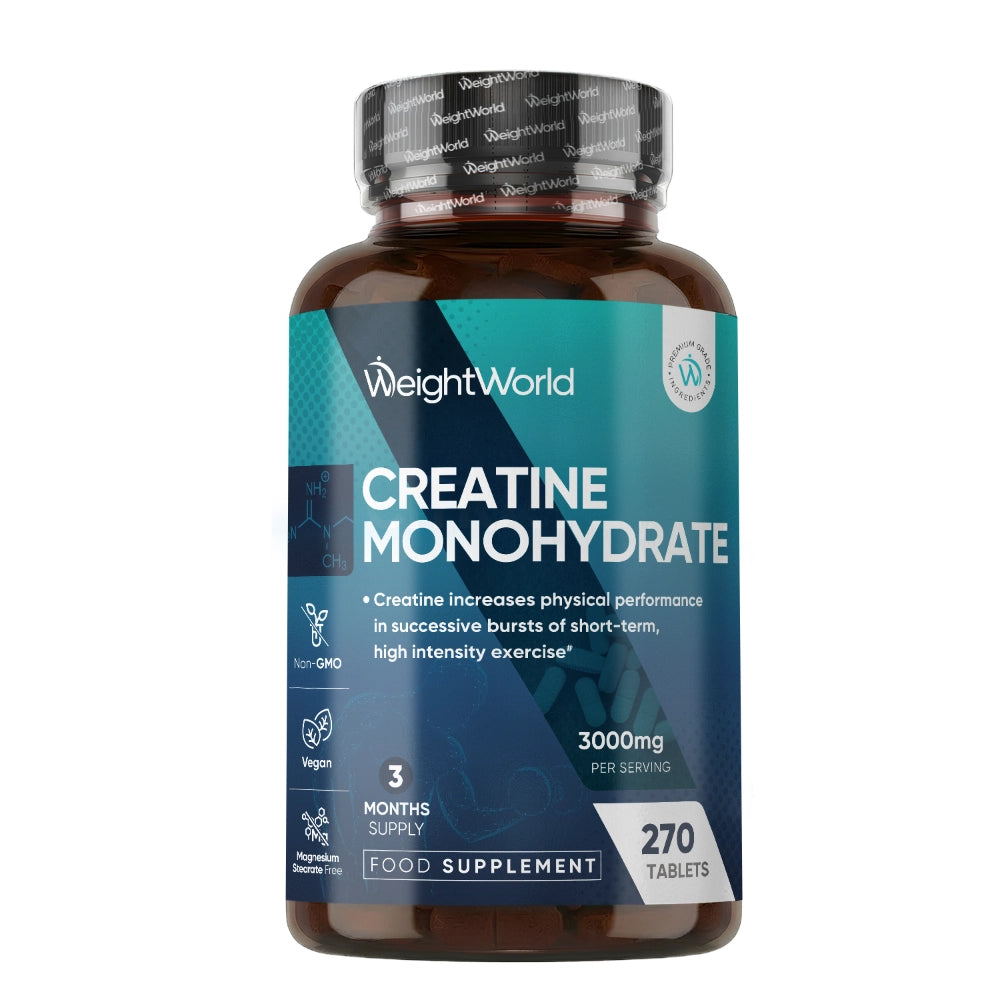
Creatine Monohydrate
Creatine is the most researched supplement for strength and size gains. By increasing phosphocreatine stores, it enables more ATP production during short, intense bouts of effort, leading to greater overload and adaptation.
Beta-Alanine
Beta-alanine raises intramuscular carnosine levels, buffering acidity during high-intensity sets and extending the point at which fatigue sets in.
Branched-Chain Amino Acids (BCAAs) & EAAs
While whole-protein sources are superior, BCAAs can be useful intra-workout to sustain amino acid availability, especially when training fasted.
Pre-Workout Formulas
These blends typically combine caffeine, nitric-oxide boosters, and creatine to enhance focus, vascularity, and power output.
Choosing the Right Supplement
Not every product is created equal. The following checklist helps narrow down options:
- Check for third-party testing (e.g., Informed-Sport, NSF) to verify purity.
- Prefer single-ingredient formulas when possible; they simplify dosing and reduce the risk of unwanted additives.
- Read the label for carbohydrate and sugar content, excess carbs can interfere with body composition goals.
- Consider the timing of intake relative to training sessions.
For those seeking a comprehensive selection, the supplements to enhance muscle growth category offers a curated range of evidence-based products.
Optimal Timing and Dosage
Strategic timing maximizes the efficacy of each supplement:
- Protein: 20-30″?g within 30-60″?minutes post-workout; additional servings can be spaced every 3-4″?hours throughout the day.
- Creatine: 3-5″?g daily; a loading phase of 20″?g split into four doses for the first 5-7″?days is optional.
- Beta-Alanine: 2-5″?g per day, divided into smaller doses to avoid paresthesia.
- Pre-Workout: Consume 20-30″?minutes before training; avoid late-day use if caffeine disrupts sleep.
Safety, Side Effects, and Interactions
When used responsibly, most muscle-building supplements are safe for healthy adults. However, awareness of potential side effects is essential:
- Creatine: May cause mild gastrointestinal discomfort in some users; staying well-hydrated mitigates this.
- Beta-Alanine: Can cause transient tingling sensations, which are harmless.
- Caffeine-Heavy Pre-Workouts: May increase heart rate and blood pressure; individuals with cardiovascular concerns should consult a physician.
- Protein Powders: Excess intake can strain kidneys in predisposed individuals; maintain total daily protein within recommended limits (1.6-2.2″?g/kg body weight).
Putting It All Together
A balanced supplement stack aligns with training phases. During hypertrophy-focused cycles, prioritize protein, creatine, and beta-alanine. In strength-oriented blocks, add a caffeine-based pre-workout for extra power. For cutting phases, lean toward low-calorie protein powders and maintain creatine to preserve strength.
Exploring the best workout supplements for mass can provide a solid foundation, while the best supplements for building muscle tag highlights products specifically formulated for lean growth.
For athletes focused on maximal size, the best bodybuilding supplements for mass gain collection offers high-calorie protein blends and mass-gainer formulas that combine carbohydrates with protein for an anabolic environment.
Those who prefer a streamlined approach may browse the best muscle supplements list, which aggregates top-rated creatine, whey, and BCAA products based on consumer reviews and scientific backing.
Finally, the best body supplements for muscle growth and best workout supplements sections provide a quick reference for athletes who need a reliable, one-stop source for all their supplementation needs.
Conclusion
Effective muscle development hinges on disciplined training, adequate nutrition, and the intelligent use of scientifically supported supplements. By understanding the role of each product, selecting high-quality options, and timing intake appropriately, lifters can accelerate gains while minimizing risk. Remember that supplements complement, not replace, a solid diet and progressive overload program. With the right strategy, the path to a stronger, more muscular physique becomes clearer and more attainable.