


Top Engine Cooling Parts Every Car Owner Needs

Maintaining a vehicle’s engine cooling system is crucial for optimal performance and longevity. The system is designed to manage and dissipate the heat produced by the engine, preventing overheating and potential damage. Understanding the key components of a car’s cooling system and ensuring they function properly can save car owners from costly repairs. This article delves into the essential car engine cooling parts every car owner should be familiar with.
Radiator
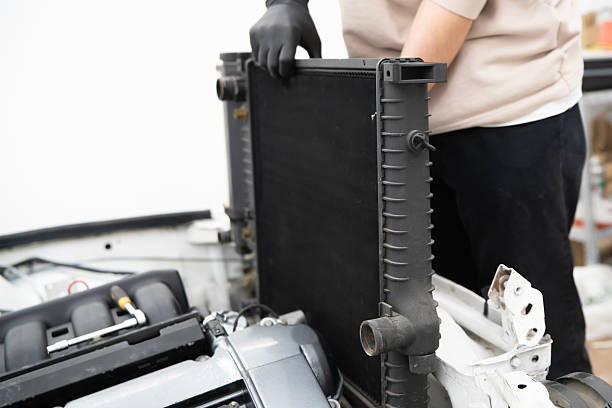
The radiator is central to the car engine cooling system. It transfers heat from the coolant through its fins and tubes, allowing the heat to be dissipated into the air. The importance of a properly functioning radiator cannot be overstated. Key considerations include:
- Regular checks for leaks and corrosion.
- Ensuring the radiator cap maintains proper pressure.
- Cleaning the radiator fins to facilitate efficient airflow.
Thermostat
The engine cooling thermostat regulates the flow of coolant to the radiator. It ensures the engine operates at an optimal temperature by opening and closing at specific temperature thresholds. The thermostat’s functionality is vital for:
- Preventing the engine from overheating or running too cold.
- Improving fuel efficiency by maintaining optimal engine temperatures.
Regular inspections and replacements of faulty thermostats are crucial in maintaining an effective thermostat cooling system.
Water Pump
The water pump is the heart of the engine cooling system parts, circulating coolant through the engine, radiator, and heater core. A well-functioning water pump ensures:
- Efficient coolant circulation, preventing overheating.
- Reduced risk of engine damage due to insufficient cooling.
Signs of a failing water pump include coolant leaks, unusual noises, and engine overheating.
Cooling Fan
The cooling fan aids in dissipating heat from the radiator, especially when the vehicle is stationary or moving slowly. It can be driven by the engine or an electric motor. To ensure effective radiator cooling, consider:
- Checking the fan’s operation and replacing any faulty components.
- Ensuring the fan shroud is intact to maximize airflow efficiency.
Coolant
Coolant, or antifreeze, is essential for preventing the engine from freezing in cold weather and overheating in hot conditions. A proper coolant mixture is vital for the best engine cooling system performance. Key practices include:
- Regularly checking and maintaining the correct coolant levels.
- Flushing and replacing coolant according to the manufacturer’s schedule.
Conclusion
A well-functioning engine cooling radiator system is essential for any vehicle’s longevity and performance. Car owners should regularly inspect and maintain these critical car cooling parts to prevent overheating and ensure a smooth driving experience. By understanding and addressing these key components, one can effectively manage the cooling engine system and avoid costly repairs.