


Trusted Dog Runners for Your Furry Friend

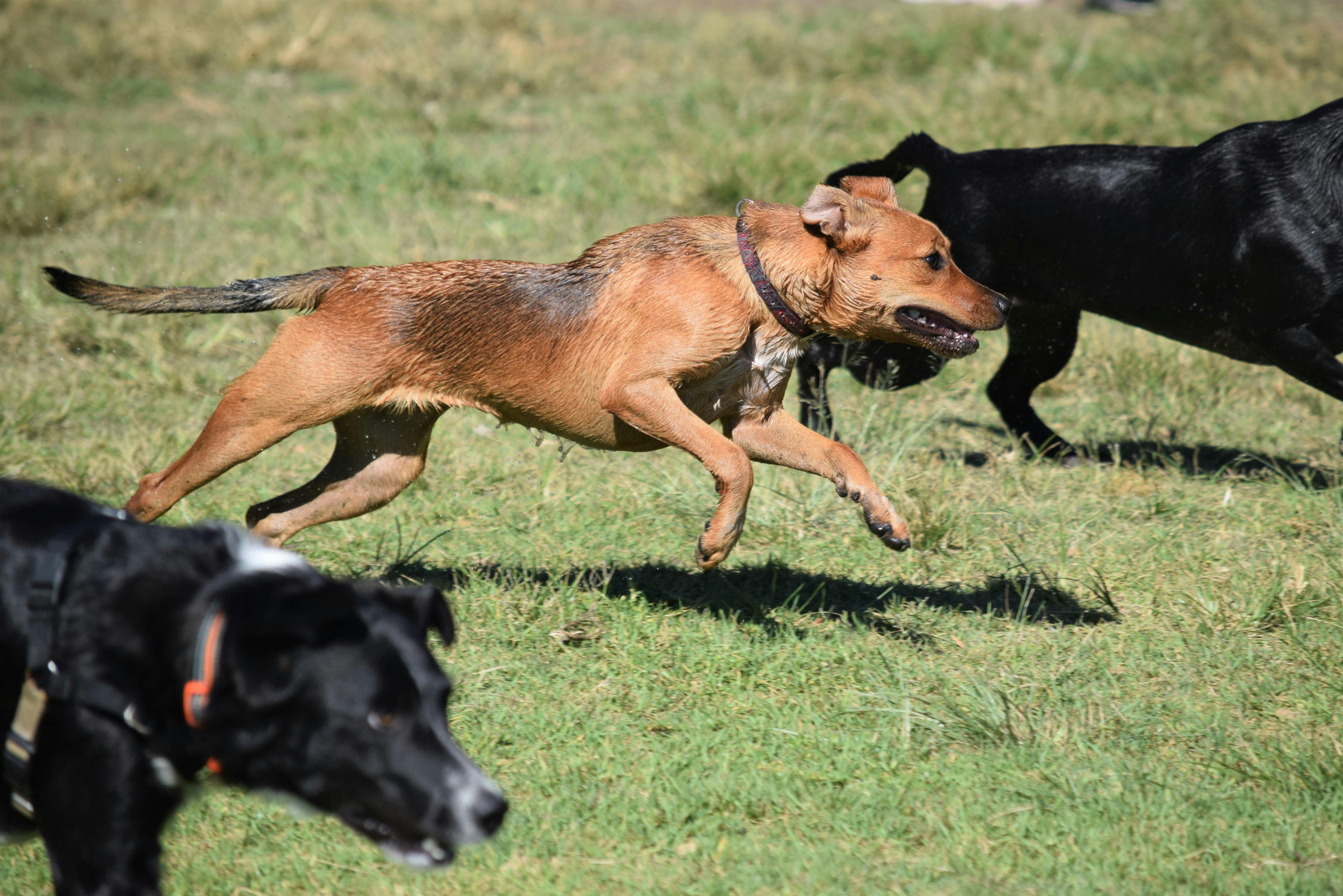
Finding a reliable professional to keep your dog active and healthy can feel overwhelming, especially in a bustling city where time is limited. A qualified dog runner not only provides essential exercise but also offers mental stimulation, socialization, and peace of mind for busy pet parents. By partnering with an experienced runner, owners can ensure that their furry companions receive consistent, safe, and enjoyable workouts tailored to their unique needs. Below is a comprehensive guide to help you understand what to look for, why professional running matters, and how to make the most of this service for your pet’s well-being.
Why Professional Dog Runners Matter
Professional dog runners bring specialized knowledge that goes beyond a casual walk in the park. Their training focuses on canine biomechanics, behavior cues, and health considerations that ensure each run supports a dog’s physical development without risking injury. Moreover, seasoned runners understand local routes, weather patterns, and safety protocols, providing a structured environment where dogs can thrive.
Safety and Health Benefits
- Reduced Risk of Overexertion: Experienced runners gauge pace and distance based on breed, age, and fitness level.
- Joint Protection: Proper warm-up and cool-down routines safeguard hips, knees, and spine.
- Weight Management: Regular cardio sessions help maintain an optimal body condition score.
- Mental Enrichment: Exposure to varied scents and sights reduces anxiety and boredom.
- Social Skills: Controlled group runs teach polite interaction with other dogs and people.
Choosing the Right Dog Runner
Not every pet-care provider offers the same level of expertise. When evaluating potential candidates, consider the following criteria to ensure a perfect match for your dog’s personality and health requirements.
- Certified in canine first aid and CPR.
- Background in animal behavior or a related field.
- Clear policies on emergency procedures and client communication.
- Positive testimonials that reference reliability and attentiveness.
- Flexible scheduling that aligns with your routine.
How to Evaluate Credentials
A thorough vetting process helps avoid missteps and builds confidence in the chosen service. Start by requesting documentation of certifications, then follow up with a brief interview or trial session.
- Ask for proof of liability insurance and bonding.
- Confirm ongoing education, many top runners attend workshops on canine fitness.
- Review a portfolio of past clients, noting any special accommodations (e.g., senior dogs, high-energy breeds).
- Check for affiliation with reputable pet-care networks or local veterinary practices.
Integrating Running into Your Dog’s Routine
Once a trusted runner is selected, the next step is to create a seamless schedule that complements your dog’s existing activities. Consistency is key; a predictable routine reinforces good habits and reduces stress. For guidance on structuring sessions, Discover expert strategies here. A typical weekly plan might include:
- Two 30-minute runs on weekdays, focusing on aerobic endurance.
- One longer, 45-minute session on the weekend for stamina building.
- Short “play-break” walks on non-running days to maintain joint mobility.
Adjust intensity based on seasonal temperatures and your dog’s response. If a dog shows signs of fatigue, excessive panting, lagging behind, or limping, reduce distance or pause the session. Regular check-ins with a veterinarian ensure that the program remains aligned with health goals.
Resources for Ongoing Education
Staying informed about the latest canine fitness research enhances the partnership between owner and runner. For deeper insight into personalized training plans, Learn about our tailored solutions. Additionally, many experts publish articles on nutrition, injury prevention, and gear selection that can be valuable references.
Frequently Asked Questions
What if my dog has a medical condition?
A qualified runner will request a veterinary clearance before beginning any program. Modifications, such as reduced stride length or lower impact surfaces, can be incorporated to accommodate arthritis, heart conditions, or respiratory sensitivities.
How are emergencies handled?
Professional runners carry a pet-first-aid kit and are trained to contact emergency veterinary services immediately. Clients should receive a written emergency protocol outlining steps and communication channels.
Can I observe a session?
Many providers welcome on-site observations or video updates. This transparency helps owners feel confident that their dog receives attentive, personalized care.
Next Steps for Pet Parents
Selecting a trusted dog runner is an investment in your pet’s long-term health and happiness. Begin by researching local options, reviewing credentials, and scheduling introductory meetings. For a curated list of vetted professionals and detailed guidance on creating a balanced exercise plan, Explore advanced guides and tips. When you feel ready to move forward, Find out more about this approach. A well-structured running regimen not only strengthens muscles and joints but also deepens the bond between you and your furry friend, ensuring many vibrant years together.