


Understanding the Process of Radon Mitigation in Denver

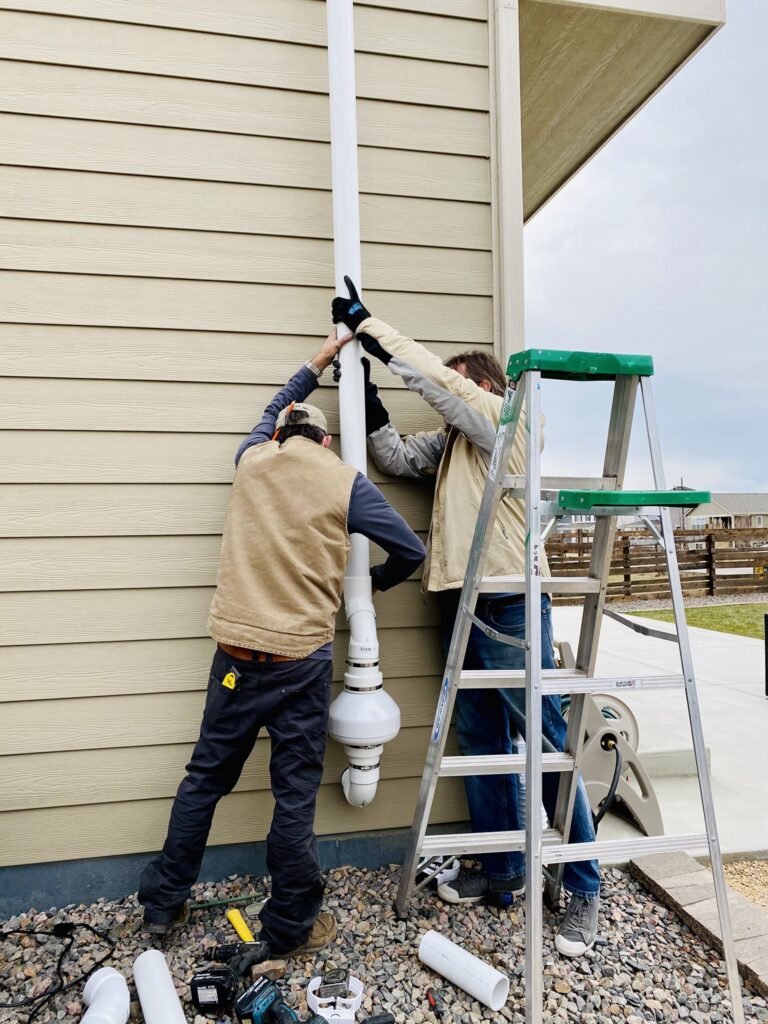
Radon is a naturally occurring radioactive gas that can pose significant health risks if not properly managed. In Denver, where geological conditions can lead to elevated radon levels, understanding and implementing effective radon mitigation processes is crucial for ensuring safe indoor environments. This article walks through the essential steps and considerations involved in radon mitigation, providing insights into the methodologies and technologies used to reduce radon levels in residential and commercial properties.
What is Radon and Why is it a Concern?
Radon is an invisible, odorless gas resulting from the natural decay of uranium found in soil and rock. It can seep into buildings through foundation cracks and other openings, accumulating to dangerous levels over time. Long-term exposure to high radon levels is the second leading cause of lung cancer, making it vital to address this issue proactively.
Health Risks Associated with Radon Exposure
- Increased risk of lung cancer, especially for smokers.
- Potential respiratory issues over extended exposure periods.
- Children and the elderly may be more susceptible to radon’s effects.
The Radon Mitigation Process
Effective radon mitigation involves several critical steps, each tailored to the specific conditions of the property. Learn about our tailored solutions to ensure safety and compliance.
1. Initial Radon Testing
Before any mitigation efforts can begin, accurate testing is essential. Testing helps determine the radon concentration levels within a building and guides the mitigation strategy. Discover expert strategies here for conducting reliable radon tests.
2. System Design and Installation
Based on test results, a customized mitigation system is designed. This may include:
- Sub-slab depressurization to draw radon from beneath the building.
- Sealing of foundation cracks and openings to prevent gas entry.
- Installation of vent pipes and fans to safely expel radon outside.
Find out more about this approach and the different system options available for diverse property needs.
3. Post-Installation Testing and Monitoring
After installation, further testing ensures the system effectively reduces radon levels. Continuous monitoring is recommended to maintain safety over time. Explore advanced guides and tips on maintaining radon mitigation systems.
Choosing the Right Radon Mitigation Professionals
Selecting experienced professionals is crucial for effective radon mitigation. Consider these factors:
- Certification and experience in radon mitigation.
- Customized solutions based on property characteristics.
- Comprehensive post-installation support and monitoring services.
Learn about our tailored solutions to understand more about the qualifications and services offered by experts in the field.
Conclusion
Radon mitigation is a vital process for ensuring the health and safety of occupants in Denver properties. By understanding the steps involved and choosing qualified professionals, property owners can effectively manage radon levels and mitigate associated health risks. For comprehensive guides and expert advice, explore advanced guides and tips available online. Ensuring a safe indoor environment is not just a regulatory requirement; it’s a commitment to the well-being of all building occupants.