


Traceability in Lamb Food Production: Ensuring Quality for Consumers

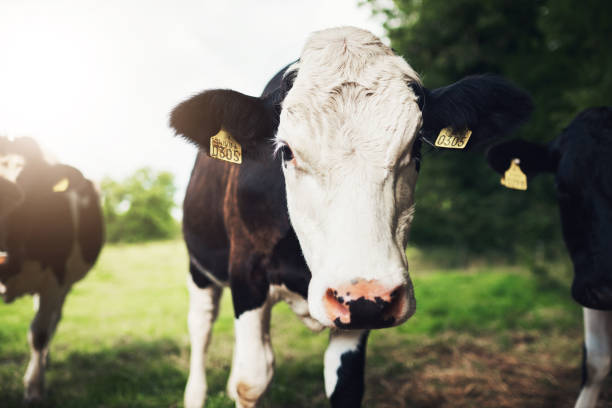
In today’s food market, consumers expect transparency from the moment a lamb is born until it reaches the dinner plate. Traceability systems provide a documented pathway that links each animal to its origin, handling, and final product. By capturing critical data at every step, producers can verify compliance with safety standards, protect animal welfare, and respond swiftly to any quality concerns. This article explores how traceability is built into lamb food production, the technologies that support it, and the benefits it delivers to both the industry and the end-user.
Why Traceability Matters in Lamb Production
Traceability is more than a regulatory checkbox; it is a cornerstone of food safety and consumer trust. When a clear record exists, any issue, whether a disease outbreak, contamination, or labeling error, can be isolated and addressed quickly, minimizing risk and economic loss. Moreover, transparent supply chains enable producers to demonstrate adherence to ethical and sustainability standards, which increasingly influence purchasing decisions.
For a deeper understanding of the broader context, Read more about this topic.
Key Benefits of an Effective Traceability System
- Rapid identification and removal of unsafe products from the market.
- Enhanced ability to verify compliance with animal welfare regulations.
- Improved inventory management and reduced waste.
- Greater consumer confidence through transparent labeling.
- Facilitation of international trade by meeting export requirements.
Key Stages of the Traceability Chain
Farm Management
The foundation of traceability begins on the farm. Each lamb is assigned a unique identifier, often an electronic ear tag or RFID chip, that records birth date, breed, and health interventions. Farm-level data also include feed composition, medication usage, and environmental conditions, creating a comprehensive animal history that travels with the lamb throughout its life.
Learn more in this detailed guide.
Transport and Slaughter
During transport, the identifier is scanned to log movement details such as departure time, route, and carrier information. At the slaughterhouse, the same identifier links the animal to its carcass, recording weight, inspection results, and processing batch. This ensures that any post-mortem findings can be traced back to the original farm.
Processing and Packaging
In processing facilities, data from earlier stages are merged with information on cutting, seasoning, and packaging. Batch numbers, expiry dates, and nutritional labels are all tied to the original animal ID, creating a full-cycle record that can be accessed by retailers and consumers alike.
Explore further insights here.
Technologies Enabling Effective Traceability
Modern traceability relies on a blend of digital tools that capture, store, and transmit data securely. The most common technologies include:
- RFID and NFC tags: Provide real-time, non-contact identification and can store large data sets.
- Barcodes and QR codes: Low-cost options for batch tracking and consumer-facing information.
- Blockchain platforms: Offer immutable ledgers that enhance data integrity across multiple stakeholders.
- Cloud-based data management systems: Enable seamless sharing of records between farms, processors, and retailers.
- Mobile scanning applications: Allow on-site verification and instant data entry.
Regulatory Framework and Standards
European Union legislation mandates traceability for all meat products, requiring that each animal be identifiable from birth to final sale. The regulations outline specific data points that must be recorded, such as species, origin, and health status. Compliance is verified through regular audits and mandatory reporting to national authorities. Aligning with these standards not only fulfills legal obligations but also positions producers for smoother access to export markets.
For a concise overview of the regulatory expectations, Find additional information here.
Impact on Consumer Confidence and Market Dynamics
When consumers can scan a QR code on a lamb product and instantly view its journey, from farm to fork, they gain assurance about safety, quality, and ethical treatment. This transparency drives brand loyalty and can justify premium pricing for products that meet higher standards. Additionally, retailers benefit from reduced recall costs and stronger supplier relationships.
The growing demand for traceable lamb is reflected in market surveys that highlight transparency as a top purchasing criterion. As traceability becomes the norm rather than the exception, the entire supply chain gains resilience against disruptions and reputational risks.
Conclusion
Traceability in lamb food production is a critical component of modern food safety, sustainability, and consumer trust. By integrating unique animal identifiers, robust data capture technologies, and compliance with regulatory frameworks, the industry can ensure that every lamb product on the market meets the highest quality standards. Continued investment in digital tools and transparent communication will further strengthen the link between producers and consumers, delivering confidence in every bite.