


Choosing the Right Vinyl Fence Company for Affordable Vinyl Fencing Solutions

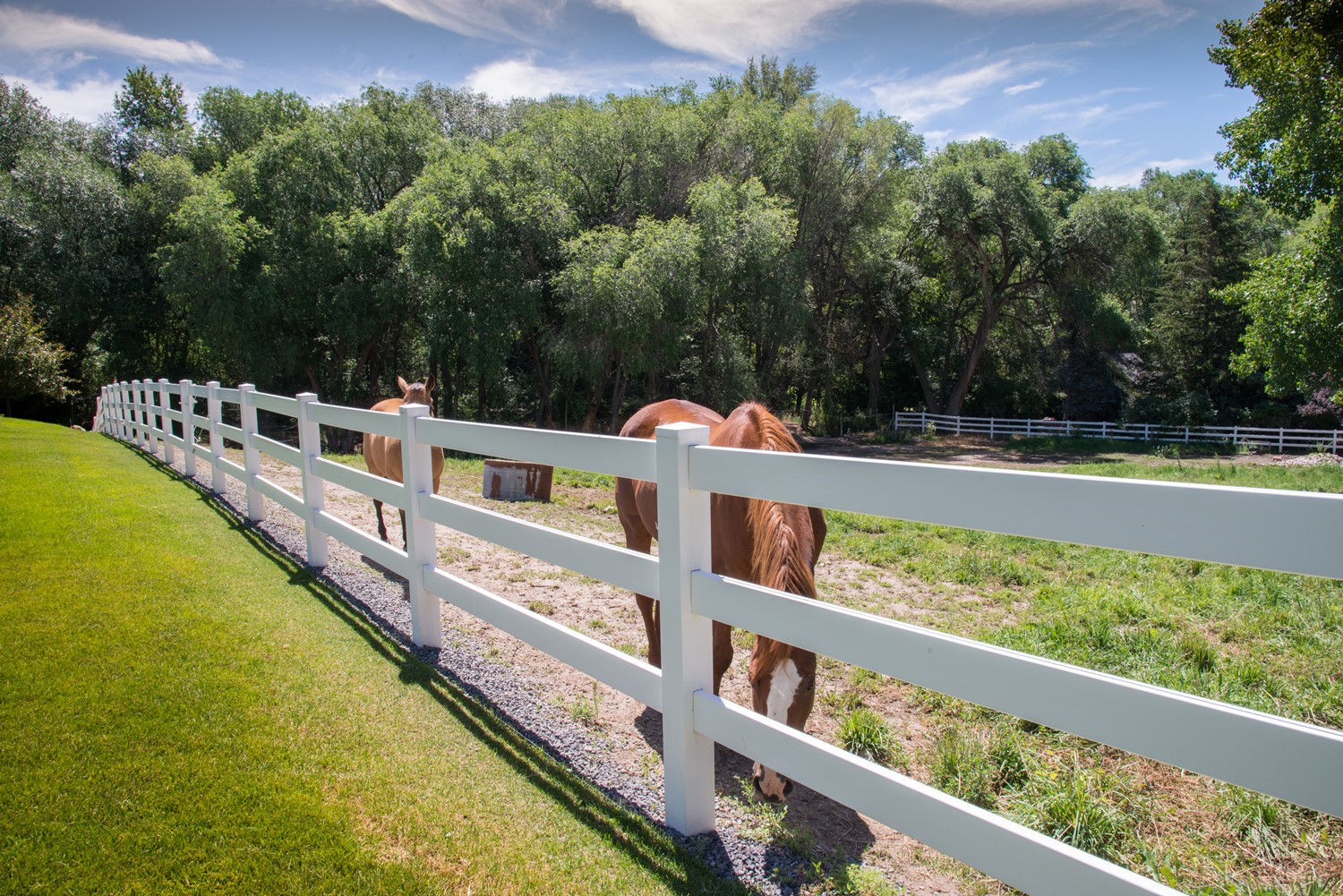
Vinyl fencing has become a popular choice for homeowners and property managers seeking a low-maintenance, durable, and aesthetically versatile solution. However, the quality of the final installation heavily depends on selecting a reputable fence contractor who can deliver both affordability and craftsmanship. This guide outlines the critical factors to evaluate when choosing a vinyl fence company, helping you make an informed decision that balances cost, quality, and long-term performance.
Understanding Vinyl Fence Materials and Construction
Before assessing potential contractors, it is essential to grasp the basics of vinyl fence composition. Modern vinyl fences are typically made from polyvinyl chloride (PVC) that is extruded, reinforced, and sometimes co-extruded with a protective skin. Key attributes to consider include:
- Wall Thickness: Thicker walls (e.g., 1.5″?mm or more) provide better rigidity and resistance to impact.
- Core Reinforcement: Some manufacturers embed a steel or polymer core for added strength.
- UV-Stabilizers: These additives prevent fading and brittleness caused by sun exposure.
- Color Consistency: High-quality vinyl maintains color uniformity over time without the need for repainting.
When a contractor demonstrates knowledge of these specifications, it signals an ability to recommend the most appropriate product for a given project. For a deeper dive into vinyl fence technology, Read more about this topic.
Key Criteria for Selecting a Vinyl Fence Company
1. Licensing, Insurance, and Certifications
Professional fence installers should hold the necessary state or local licenses, carry general liability insurance, and possess workers’ compensation coverage. These safeguards protect you from potential legal and financial liabilities should an accident occur on the job site.
2. Experience and Track Record
While the length of time a company has been in business is not the sole indicator of quality, a proven track record often reflects refined installation techniques and a solid understanding of local building codes. Ask for a portfolio of completed projects that showcases a range of styles and terrain challenges.
3. Transparent Pricing Structure
Affordability should not come at the expense of hidden fees. Reputable contractors provide detailed, itemized estimates that break down material costs, labor, site preparation, and any optional accessories such as gates or decorative post caps. This transparency enables you to compare quotes objectively.
4. Warranty Coverage
Strong warranty terms demonstrate confidence in product durability and installation quality. Look for:
- Manufacturer’s warranty on the vinyl material (typically 10-20 years).
- Installation warranty covering workmanship defects.
Understanding the warranty scope can prevent unexpected expenses down the line. For guidance on evaluating warranty policies, Learn more in this detailed guide.
Evaluating the Installation Process
A well-executed installation begins with thorough site assessment and concludes with meticulous finishing touches. Consider the following phases when discussing the project with a potential contractor:
- Site Survey: Accurate measurements, soil analysis, and identification of underground utilities.
- Preparation: Clearing vegetation, leveling the ground, and installing a proper footings or concrete base.
- Installation: Aligning panels, securing posts, and ensuring consistent spacing for a uniform appearance.
- Finishing: Adding gates, post caps, and cleaning the site of debris.
Contractors who outline each step and provide a timeline demonstrate professionalism and help set realistic expectations. To explore best practices for fence installation, Explore further insights here.
Cost-Saving Strategies Without Compromising Quality
Achieving an affordable vinyl fence solution often involves strategic decisions that reduce expenses while preserving durability:
- Standard Profiles: Opt for classic panel designs rather than custom shapes, which are typically less costly.
- Modular Systems: Choose modular components that simplify installation and reduce labor hours.
- Bulk Purchasing: Some contractors offer discounts for larger projects or multiple fence sections.
- Seasonal Promotions: Take advantage of off-season pricing when demand is lower.
Discuss these options during the quoting phase to identify the most economical configuration. For additional budgeting tips, Find additional information here.
Questions to Ask Prospective Fence Installers
Preparing a concise list of questions can streamline the selection process and reveal critical details about a contractor’s capabilities:
- What is your process for obtaining necessary permits?
- Can you provide a written, itemized estimate?
- What warranties do you offer on both material and workmanship?
- How do you handle unexpected site conditions, such as uneven terrain?
- Do you source vinyl panels locally, and how does that affect lead times?
Clear answers indicate transparency and a commitment to customer satisfaction. For a comprehensive checklist, Read more about this topic.
Final Thoughts
Selecting the right vinyl fence company is a balance of assessing technical expertise, financial transparency, and reliable service delivery. By focusing on licensing, experience, clear pricing, warranty terms, and a well-structured installation plan, you can secure an affordable fencing solution that enhances property value and requires minimal upkeep. Conduct thorough research, ask pertinent questions, and compare multiple proposals before committing. With the right partner, a durable, aesthetically pleasing vinyl fence can be installed efficiently and within budget.