


Certified Lead Inspectors for Property Safety

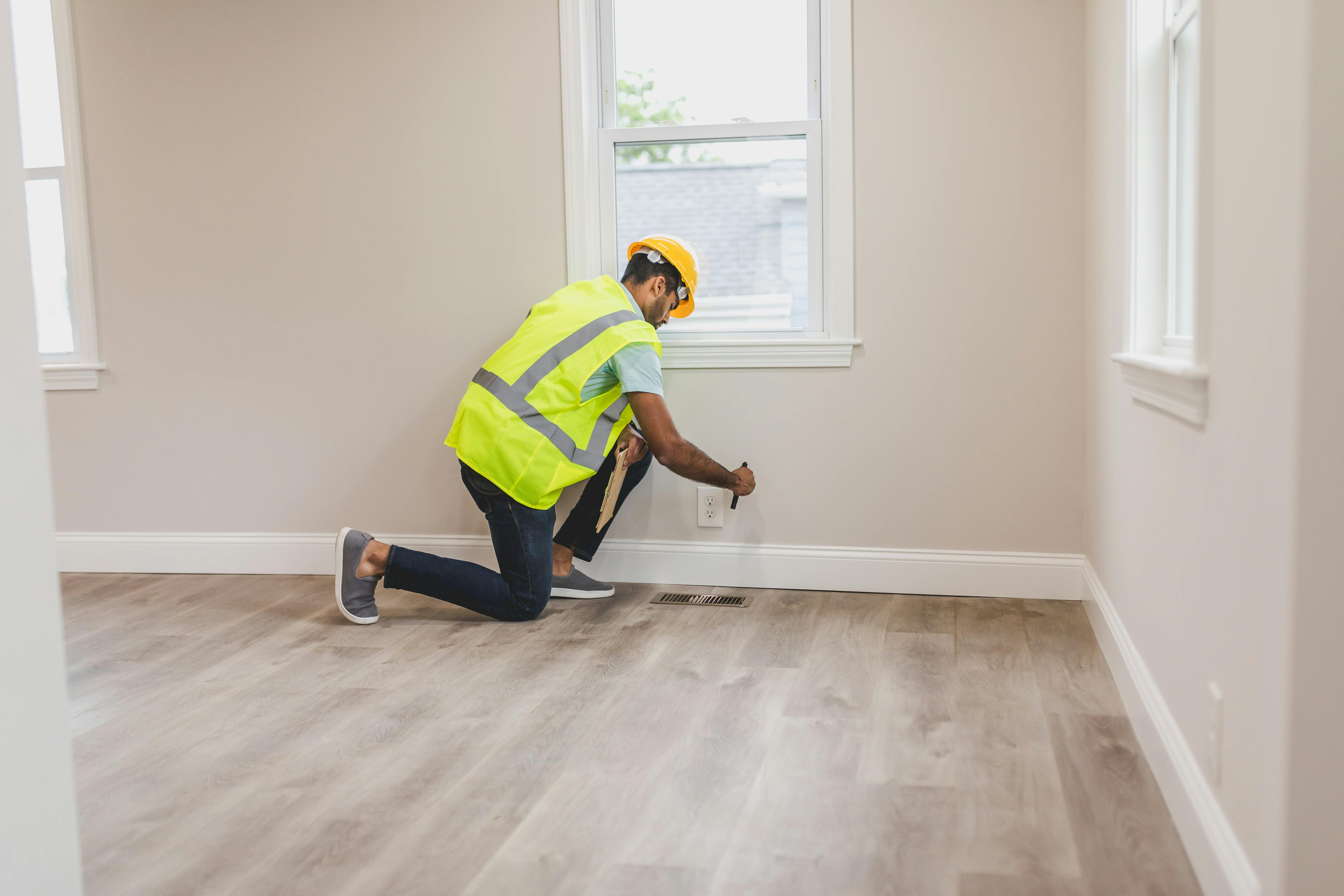
The presence of lead in properties, particularly older ones, poses significant health risks. Lead exposure can lead to serious health issues, especially in children and pregnant women. Thus, ensuring your property is free from lead hazards is crucial. Certified lead inspectors play a pivotal role in identifying and mitigating these risks. They are trained professionals equipped to conduct thorough inspections and provide recommendations for lead hazard control. This article explores the importance of certified lead inspectors, their responsibilities, and how they contribute to property safety.
The Role of Certified Lead Inspectors
Certified lead inspectors are specialists trained to detect lead-based paints, dust, soil, and other potential sources of lead exposure. They employ various testing methods to accurately assess the presence of lead in residential and commercial properties. Their expertise is essential in:
- Identifying lead hazards in paint, dust, and soil.
- Evaluating the extent of lead contamination.
- Recommending appropriate measures for lead hazard control.
- Ensuring compliance with health and safety regulations.
Learn more in this detailed guide about the specific responsibilities of lead inspectors and how they safeguard your property from potential hazards.
Inspection Process
The inspection process conducted by certified lead inspectors is comprehensive and involves several critical steps. These steps ensure a thorough examination of the property:
Visual Assessment
The initial step involves a visual assessment of the property to identify areas with peeling or deteriorating paint, which are common indicators of lead hazards. Inspectors meticulously examine walls, windows, doors, and other surfaces.
Sampling and Testing
After the visual assessment, inspectors take samples of paint, dust, and soil for laboratory analysis. The testing methods include:
- X-ray fluorescence (XRF) analysis for detecting lead in paint without damaging surfaces.
- Dust wipe sampling to measure lead levels in household dust.
- Soil sampling to detect lead contamination in outdoor areas.
Read more about this topic to understand the technical aspects of these testing methods and their effectiveness in detecting lead.
Risk Assessment and Reporting
After analyzing the samples, inspectors prepare a detailed report outlining the findings. The report includes:
- Identified lead sources and their locations.
- Levels of lead concentration in sampled areas.
- Recommendations for lead hazard control and abatement.
Explore further insights here to discover how these reports are instrumental in planning necessary remediation actions.
Importance of Compliance and Certification
Certification and compliance are crucial in the field of lead inspection. Certified lead inspectors must adhere to state and federal regulations to ensure accuracy and reliability in their assessments. Their certification guarantees:
- They possess the required knowledge and skills to conduct lead inspections.
- They follow standardized procedures for testing and reporting.
- They are up-to-date with the latest safety standards and guidelines.
Find additional information here to learn about the certification process and regulatory requirements that govern lead inspection activities.
Conclusion
Certified lead inspectors are integral to maintaining property safety by identifying and mitigating lead hazards. Their rigorous inspection process and adherence to regulations ensure that properties are safe and compliant. Engaging with a certified lead inspector is a proactive step towards safeguarding the health of occupants and avoiding potential legal liabilities. For property owners and managers, understanding the role and significance of these professionals is essential. To take the next step in ensuring your property’s safety, explore further resources and insights on certified lead inspections.