


Emergency Vet Clinic Essentials: What to Expect in Times of Crisis

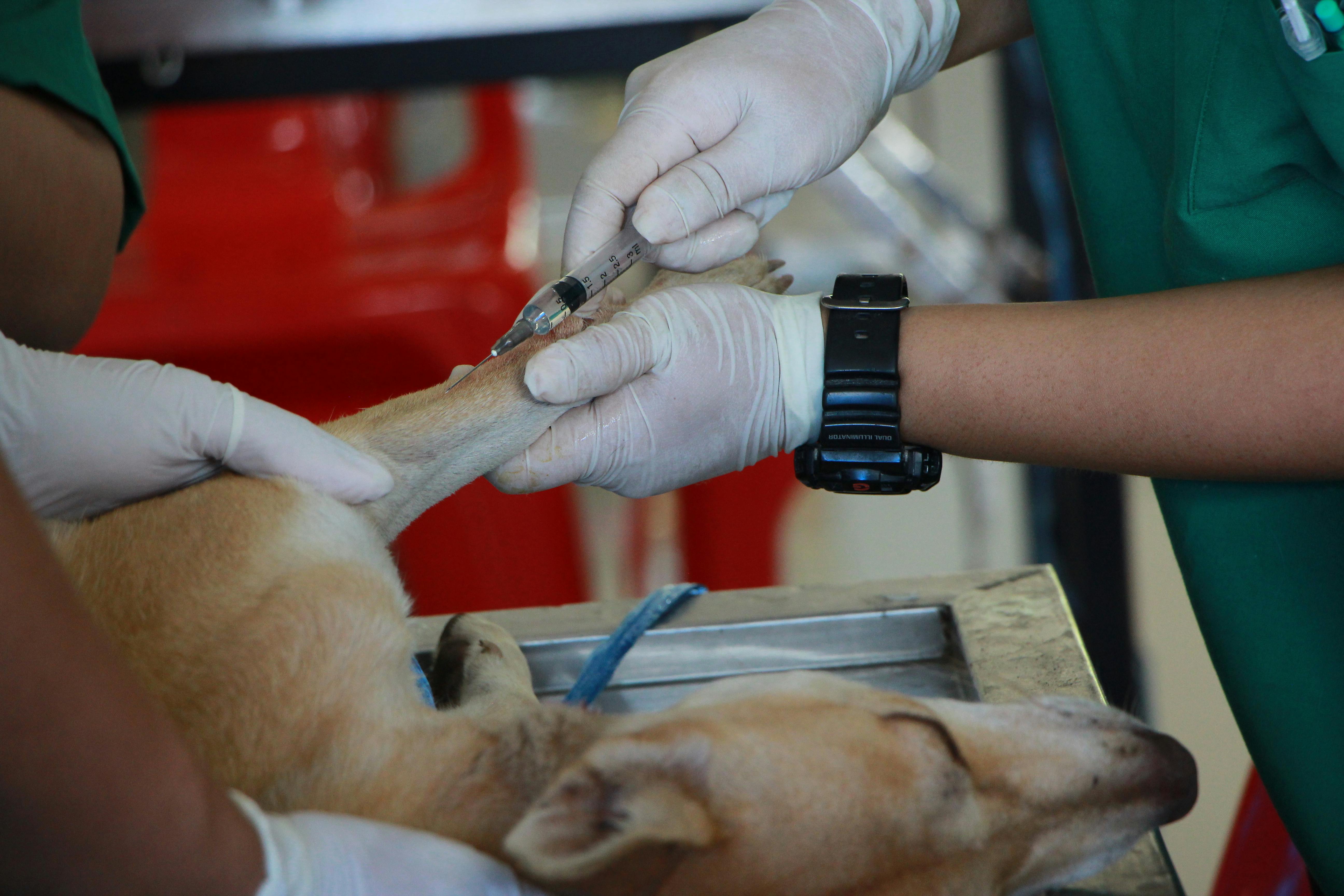
In times of crisis, when a beloved pet suddenly falls ill or is injured, the need for an emergency vet clinic becomes critical. Understanding what to expect when visiting an emergency vet clinic can alleviate some of the anxiety associated with such emergencies. This article provides a comprehensive overview of the essentials you can anticipate, ensuring pet owners are well-prepared during these challenging moments.
Initial Assessment and Triage
Upon arrival at an emergency vet clinic, the first step involves an initial assessment, often referred to as triage. This process determines the severity of the pet”?s condition and prioritizes treatment based on urgency. Clinics are equipped to handle a wide range of emergencies, from minor injuries to life-threatening conditions.
- Trained veterinary staff will quickly evaluate your pet”?s symptoms and vital signs.
- Pets in critical condition will receive immediate attention.
- Lesser emergencies may have a short waiting period, but rest assured, all cases are handled with care.
Diagnostic Procedures
After triage, diagnostic procedures are crucial for accurately identifying the issue. These procedures can range from basic examinations to more complex tests, depending on the situation.
Common Diagnostic Tools
- Blood tests to check for infections, organ function, and other anomalies.
- X-rays and ultrasound imaging to detect fractures, internal injuries, or abnormalities.
- Advanced diagnostic equipment may be available for specialized cases.
Treatment Options
The treatment plan at an animal emergency hospital is tailored to the specific needs of the pet. Depending on the diagnosis, the following treatments might be administered:
- Medication for pain relief, infection control, or other specific conditions.
- Surgical intervention in cases of severe injury or life-threatening conditions.
- Intravenous fluids to maintain hydration and support recovery.
Communication and Support
Communication between veterinary staff and pet owners is critical during emergencies. Clinics are committed to ensuring that pet owners are informed and comforted throughout the process.
- Regular updates on the pet”?s condition and progress.
- Clear explanations of diagnostic findings and treatment plans.
- Supportive guidance on aftercare and recovery once the pet is discharged.
Preparing for a Visit to the Emergency Clinic
Preparation can significantly impact the experience at an emergency vet clinic. Here are some tips to consider:
- Keep the clinic”?s contact information handy for quick access in emergencies.
- Prepare a pet first-aid kit for immediate care before reaching the clinic.
- Familiarize yourself with the clinic”?s location and operating hours.
- Have a plan for transportation, especially for larger pets or if travel is required.
Conclusion
The unforeseen nature of pet emergencies necessitates reliable, professional care from an animal emergency hospital. Knowing what to expect during these situations can ease stress and ensure that pets receive the timely care they need. By understanding the process, from initial triage to post-care communication, pet owners can feel more assured and prepared for any eventuality.